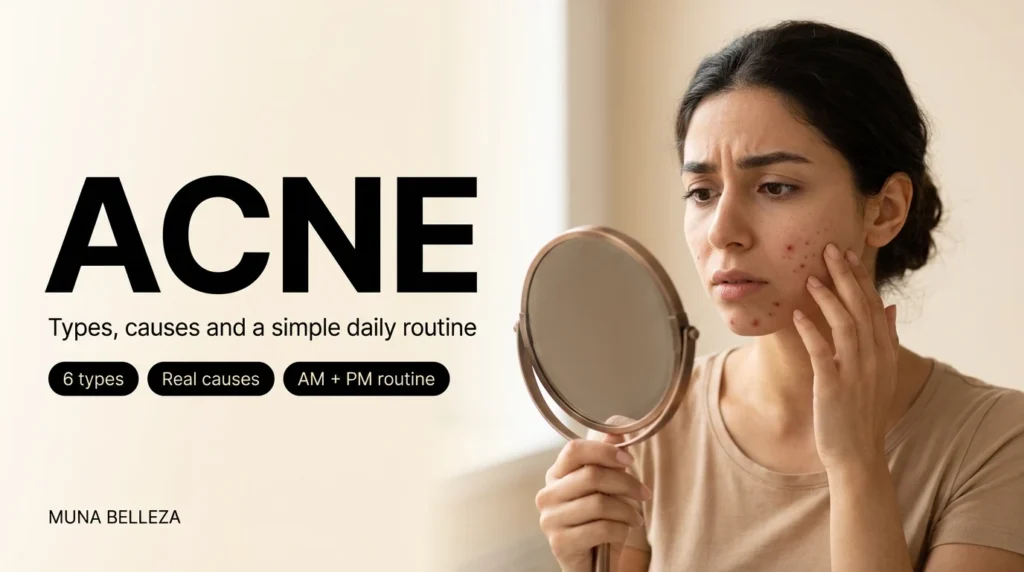
Acne is the most common skin concern in the world, and it is not only a teenage thing. Around 8 in 10 people between 11 and 30 get it at some point. Plenty of adults in the UAE live with it well into their thirties, helped along by heat, sweat and long hours in air conditioning.
This guide keeps it simple: what acne is, how to tell which type you have, what really sets it off, and a short morning and night routine you can start today. You will also see where acne treatment from a pharmacy or a dermatologist fits in, because skincare alone is not the answer for every case.
In this guide
- What is acne?
- Types of acne: which one do you have?
- What can cause acne?
- A simple routine for acne-prone skin
- Acne treatment: which ingredient does what
- How to remove pimples naturally and permanently
- Acne spots and marks after a breakout
- When to see a dermatologist
- Where to go from here
- Acne questions, answered
What is acne?
Acne (doctors call it acne vulgaris) is a skin condition where hair follicles, the tiny openings we call pores, get plugged with oil (sebum) and dead skin cells. Bacteria that normally live on the skin multiply inside the plug, the area becomes inflamed, and a spot appears.
It shows up where skin has the most oil glands: the face, chest, shoulders and upper back.
Acne vs pimples: is there a difference?
Yes. Acne is the condition; a pimple is one of its symptoms. One pimple before a wedding is just a pimple. Spots that keep coming back in the same areas, week after week, are acne.
What does acne-prone skin mean?
Acne-prone skin is skin that blocks easily. Pores clog faster than average, so breakouts return even when you are careful. It is often oily skin, but dry and sensitive skin can be acne-prone too.
If that sounds like you, scrubbing harder is not the fix. The aim is to keep pores clear without stripping the skin, and that starts with a gentle face wash for oily skin used morning and night.
Types of acne: which one do you have?
Look at your spots in good daylight. Most people have a mix of two or three types.
Blackheads and whiteheads are non-inflammatory: simply clogged pores. The other four are inflammatory acne: red, swollen and more likely to leave marks behind.
Cystic acne
Cystic acne is the most severe type. A cystic pimple forms deep in the skin, feels like a sore lump, can last for weeks and often leaves a scar. No face wash, mask or home remedy reaches that deep. Do not squeeze it. See a dermatologist early, because early treatment is what prevents scars.
Hormonal acne
Hormonal acne flares when hormones shift: puberty, the days before a period, pregnancy, or conditions such as PCOS. In adults it tends to sit on the lower face, along the jawline, chin and around the mouth, often as deep, tender spots.
Men get it too, usually linked to higher oil production. A good routine helps the surface, but hormonal acne treatment is a conversation for a doctor, especially if you also have irregular periods or extra hair growth.
What can cause acne?
Four things happen under the skin, usually together:
- Oil glands make more oil than the skin needs.
- Dead skin cells stick together and block the pore.
- Acne bacteria multiply inside the blocked pore.
- The skin reacts with redness and swelling.
What switches this on is different for each person:
- Hormones. They raise oil production, which is why teenage acne is so common and why many women flare before their period.
- Family history. If your parents had acne, your chances are higher.
- Stress. It does not create acne from nothing, but it can make existing acne worse.
- Heavy products. Thick creams, oily hair products and heavy makeup can clog pores. Look for the word non-comedogenic on the label.
- Friction and sweat. Helmets, tight caps, face masks and a phone pressed to the cheek.
- Some medicines. Steroids, testosterone and lithium are known examples. Never stop a medicine without asking your doctor.
- Diet. The research is still mixed. Sugary foods and skimmed milk are linked to breakouts in some people. Chocolate and oily food on their own have little proven effect.
Acne in the UAE: heat, sweat and AC
Our climate adds its own triggers. In humid months, sweat mixes with oil and sunscreen and sits on the skin. Then we walk into strong air conditioning, which dries the surface. The result is skin that feels tight and oily at the same time.
- Wash your face after the gym or heavy sweating, not only morning and night.
- Choose a light gel or fluid sunscreen instead of a thick cream.
- Keep a light moisturiser going, even in summer.
One more thing. Small, itchy bumps that appear after a hot day are often what people call heat pimples: heat rash or sweat-irritated follicles rather than true acne. They usually settle once the skin stays cool and dry. If they do not, ask a pharmacist or doctor.
Four acne myths to drop
A simple routine for acne-prone skin
You do not need ten steps. Dermatology bodies such as the American Academy of Dermatology keep coming back to the same basics: cleanse gently twice a day, do not scrub, moisturise, protect from the sun, and keep your hands off.
- CleanseLukewarm water, a gentle wash, fingertips only, about 30 seconds. Pat dry. Hot water strips the skin, and cold water does not close pores.
- MoisturiseA light lotion or gel labelled non-comedogenic.
- SunscreenSPF 30 or higher, oil-free or gel texture. Every day, even indoors near windows.
- CleanseTake off sunscreen and makeup first, then wash. Double cleansing only matters if you wear heavy makeup or water-resistant sunscreen.
- TreatA thin layer of your pharmacy acne treatment on dry skin. See the ingredient guide below.
- MoisturiseThe same light moisturiser. It keeps treatment dryness under control.
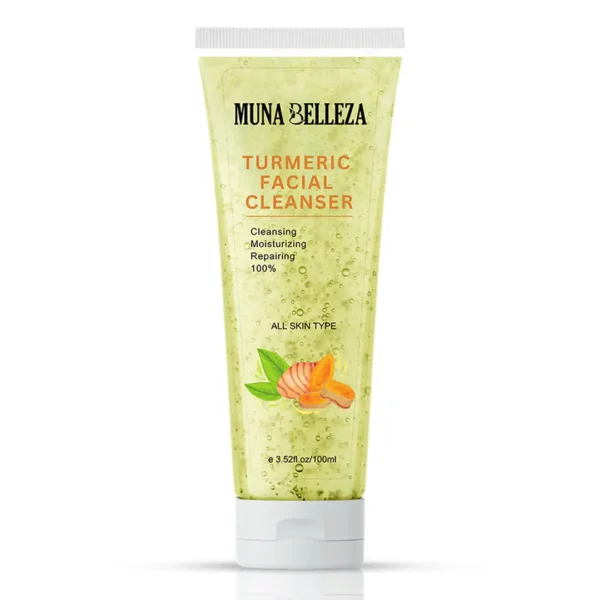
Made in Korea for oily, acne-prone skin that still wants to feel comfortable after washing.
- Turmeric and ginger extracts
- Antioxidant care for a fresher, clearer-looking face.
- Tea tree oil
- Leaves oily, blemish-prone skin feeling properly clean.
- Aloe, hyaluronic acid and allantoin
- Moisture and comfort, so skin feels soft after cleansing.
It cleans without salicylic acid or benzoyl peroxide. That makes it gentle enough to use twice a day, and easy to pair with any treatment your pharmacist or dermatologist gives you.
New to tea tree? Try it on a small area first.
Shop the face washOnce or twice a week: clear the pores
A salicylic acid (BHA) mask loosens the oil and dead skin inside pores, which helps with blackheads and that bumpy, congested feel. Our salicylic acid mask for blackheads is a 15-minute sheet mask, labelled 2% BHA with glycolic acid, that you rinse off after use. Once or twice a week is plenty.
How to avoid breakouts: small habits that add up
- Do not pick or squeeze. It pushes the plug deeper and leaves marks.
- Wash your hair regularly and keep hair products off your forehead.
- Change your pillowcase weekly and wipe your phone screen.
- Add one new product at a time, so you know what your skin likes.
Acne treatment: which ingredient does what
Skincare keeps pores clear and skin calm. Active acne treatment comes from ingredients with medical evidence behind them. Here is the short map.
| Ingredient | Best for | Where to get it |
|---|---|---|
| Benzoyl peroxide | Red, inflamed pimples | Pharmacy |
| Salicylic acid (BHA) | Blackheads, whiteheads, clogged pores | Skincare and pharmacy |
| Adapalene and other retinoids | Most types; stops pores clogging | Pharmacy or prescription. Not during pregnancy |
| Azelaic acid | Spots and the marks they leave | Pharmacy or prescription |
| Niacinamide | Oiliness, redness, the look of marks | Skincare |
| Antibiotics, hormonal treatment, isotretinoin | Moderate to severe, cystic or hormonal acne | Dermatologist only |
Start with one active, a few nights a week, and build up slowly. Most treatments need 6 to 8 weeks before you can judge them, and up to three months for full results. A little dryness at the start is normal. This is where your moisturiser earns its place.
How to cure acne: is there a permanent fix?
The honest answer is no single cure exists. Acne is controlled rather than cured, and for most people it fades with age. The right routine and treatment can keep skin clear for long stretches. For severe cases, a dermatologist may prescribe isotretinoin, which gives lasting results for many people but needs medical monitoring.
How to remove pimples naturally and permanently
We hear this question a lot. Naturally is possible up to a point. Permanently is something nobody can promise.
- Tea tree oil, diluted inside a product (never neat). It works more slowly than benzoyl peroxide.
- Aloe vera gel to calm redness.
- Enough sleep, less stress and fewer sugary foods.
- Lemon juice and baking soda.
- Raw garlic or crushed aspirin on the skin.
- Harsh scrubs. They irritate, can burn, and often leave dark marks.
Natural care suits mild acne. If spots are deep, painful or spreading, move to medical treatment early.
Acne spots and marks after a breakout
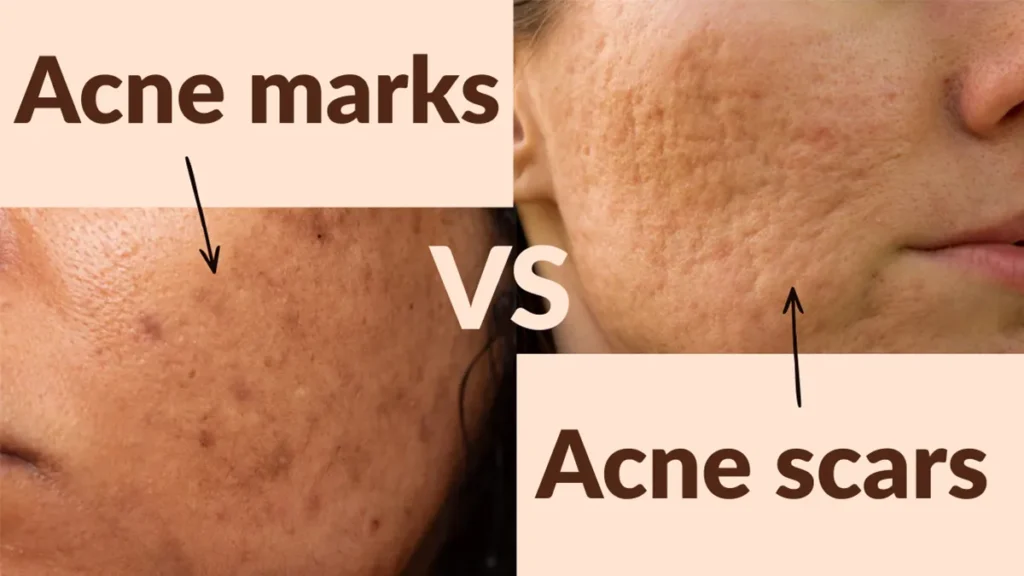
When a pimple heals it can leave a flat red or brown mark. These acne spots are not scars. They fade over weeks to months, and faster with daily sunscreen and brightening ingredients such as niacinamide and vitamin C.
True scars are dents or raised areas, and they need clinic treatment. Our guide to acne marks vs acne scars shows you how to tell them apart in ten seconds.
Once active spots have calmed, a niacinamide serum for dark marks helps fade their look. Use it with sunscreen every morning.
When to see a dermatologist
Book an appointment if any of these sound familiar:
- Deep, painful lumps under the skin (nodules or cysts).
- Scars or dark marks are starting to form.
- No real change after 8 to 12 weeks of steady care.
- Sudden, severe acne as an adult, or acne with irregular periods.
- Acne is affecting your mood or confidence.
Dermatologist acne treatment can include prescription creams, tablets and in-clinic procedures. Facials for acne can feel pleasant, but they will not treat moderate or severe acne on their own.
Acne questions, answered
Can moisturizer help acne?
Yes. A light, non-comedogenic moisturiser keeps the skin barrier healthy, and that makes acne treatments easier to tolerate. Skipping it often leads to dry, irritated skin that looks worse, not better.
How long do blind pimples last?
A blind pimple, the deep bump with no head, usually lasts one to two weeks and sometimes longer. A warm compress for 10 to 15 minutes, a few times a day, can ease it. Do not squeeze. If they keep returning, see a dermatologist.
Is hot or cold water better for washing your face with acne?
Neither. Lukewarm water is best. Hot water strips the skin and can increase irritation, and cold water does not remove oil as well.
When does teenage acne stop?
For most people it eases by the early to mid twenties. Some continue to have adult acne, which is more common in women and usually responds well to treatment.
What is the best mask for acne-prone skin?
Look for a clay or salicylic acid mask and use it once or twice a week. Avoid rich, oil-heavy masks, and stop if your skin stings or turns red.
Where to go from here
Start with the basics for two months: a gentle wash, a light moisturiser, daily sunscreen and one proven active. If you would like help choosing, browse our skin care products for oily skin or message us on WhatsApp.
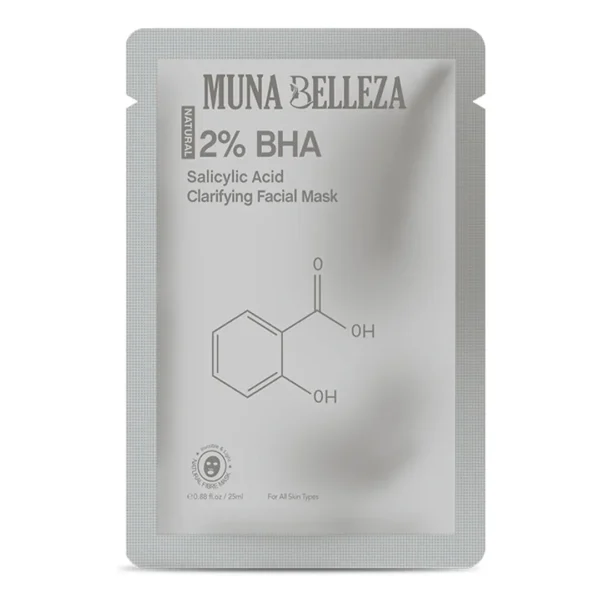 Once a weekSalicylic acid mask
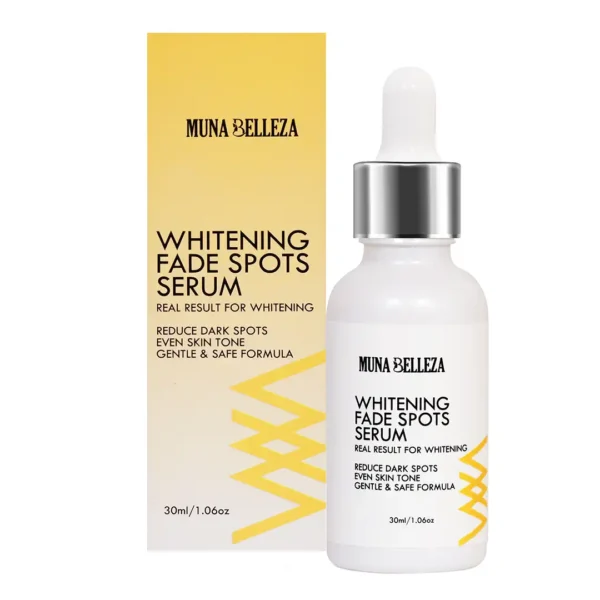 After breakoutsNiacinamide serum
- Made in Korea
- Free delivery across the UAE
- Cash on delivery
- 7-day returns
Keep reading
Sources
- American Academy of Dermatology: Acne resource center and skin care tips
- NHS: Acne
- Mayo Clinic: Acne, symptoms and causes
- Cleveland Clinic: Acne
- US National Institute of Arthritis and Musculoskeletal and Skin Diseases (NIAMS): Acne