Hyperpigmentation Treatment
Hyperpigmentation treatment is one of the most searched skincare topics in the Gulf — and one of the most confusing to research. Every brand claims its bottle erases dark spots, every influencer swears by a different ingredient, and half the advice online quietly contradicts the other half. This guide cuts through the noise. It explains why dark spots form, which ingredients carry real evidence, how to pick between a serum, a cream and a mask, and when a clinic is the smarter call — so you stop guessing and your skin tone actually starts to change.
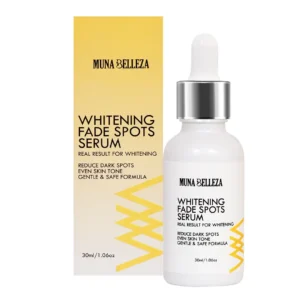
Dark Spot Correcting Serum
Original price was: 132.00.101.00Current price is: 101.00. Add to cartA lightweight dark spot correcting serum powered by Niacinamide and Alpha Arbutin. It visibly fades the look of dark spots, sun spots, and post-acne marks while evening out skin tone, gentle enough for daily use, morning and night.
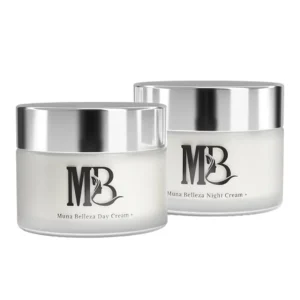
Day and Night Cream Set
Original price was: 199.00.153.00Current price is: 153.00. Add to cartA complete brightening routine in two jars: a day cream that visibly evens skin tone and plumps with niacinamide and shea butter, and a night cream with arbutin, vitamin C and hyaluronic acid that works on the look of pigmentation and fine lines while you sleep. For men and women, all skin types.
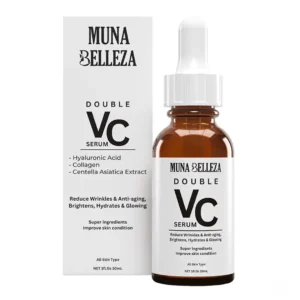
Double Vitamin C Serum
Original price was: 132.00.101.00Current price is: 101.00. Add to cartA daily vitamin C serum that pairs pure Ascorbic Acid with Hyaluronic Acid and Collagen. It restores natural glow to dull, tired-looking skin, deeply hydrates, and visibly reduces the appearance of fine lines — one light step, morning and night.
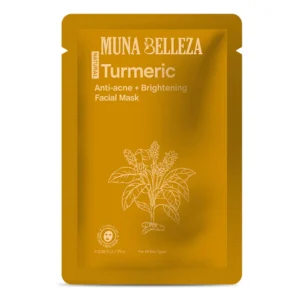
Turmeric Face Mask Sheet
Original price was: 25.00.19.00Current price is: 19.00. Add to cartA turmeric face mask for breakout-prone skin and the marks breakouts leave behind. Curcumin-rich turmeric meets honey, niacinamide, alpha-arbutin and tranexamic acid in a soft natural-fibre sheet — 15 minutes to calmer-looking, visibly brighter skin. 25ml, all skin types.
Why Your Skin Makes Extra Pigment
Melanin — the pigment that gives skin its colour — is your skin's built-in shield. Whenever skin feels under threat, whether from strong sunlight, a healing pimple, hormonal shifts or repeated friction, its pigment-producing cells switch into overdrive and deposit extra melanin in that exact spot. The threat passes; the deposit stays. That is a dark spot: not damage, but leftover protection that has outstayed its welcome. Keeping this in mind makes every decision easier, because everything that genuinely works does one of two things — it calms the trigger, or it helps the leftover pigment disperse.
The Four Common Types of Dark Spots
Not all pigment behaves the same way, and naming yours correctly is half the plan.
Sun Spots and Age Spots
Small, flat, tan-to-brown patches on the cheeks, forehead, nose and hands — wherever sunlight lands most. Despite the name, age spots on the face have little to do with age itself; they are a running record of accumulated sun exposure, which is why people who grew up under Gulf sunshine often notice them by their late twenties. Sun spots on the face tend to be well defined, stable in shape, and a shade darker after every beach weekend.
Marks Left by Breakouts
The flat brown or reddish patches a pimple leaves behind are marks, not scars — the skin surface underneath is smooth — and they respond well to brightening care. Because we've covered this in detail elsewhere, this page won't repeat it: our guide to acne marks vs acne scars shows you how to tell the two apart in seconds and what to do about each.
Melasma
Melasma shows up as soft-edged, symmetrical patches — typically across the cheeks, forehead or upper lip — driven largely by hormones working together with heat and light. It behaves differently from ordinary spots: it deepens fast in the sun and usually needs a longer, more patient plan, sometimes with a dermatologist involved. Treat this section as an introduction; melasma deserves a guide of its own, and one is coming to this site.
Hyperpigmentation Around the Mouth
Darkness around the lips and chin is one of the most common — and least talked about — pigment concerns in our region. The usual drivers: frequent lip-licking, friction from waxing or threading, residue from certain toothpastes, and sun exposure on an area almost everyone forgets to protect. Because skin here is thin and constantly moving, gentleness matters more than strength — harsh scrubbing makes hyperpigmentation around the mouth darker, not lighter.
The Best Ingredients for Hyperpigmentation
Four ingredients come up again and again in pigment research — and one daily habit decides whether any of them work.
Niacinamide
A form of vitamin B3 that interrupts the hand-off of pigment between skin cells, so freshly made melanin is less likely to settle where you can see it. It is gentle, layers with almost everything, and suits sensitive skin. For the full story — strengths, myths and how to use it well — our niacinamide guide goes deep.
Alpha Arbutin
A botanical brightener that works further upstream, moderating the enzyme skin uses to manufacture pigment in the first place. It is among the gentlest options in the category, which makes it a favourite for daily use — and for delicate zones like the mouth area.
Vitamin C
An antioxidant that helps neutralise the daily environmental stress that tells skin to make pigment, while visibly restoring radiance to a dull, patchy complexion. It partners naturally with morning sunscreen. Our Double Vitamin C Serum is built around exactly this glow-first role.
Kojic Acid
Discovered through fermented rice and sake brewing, kojic acid for hyperpigmentation works along a similar pathway to arbutin — and it has genuine evidence behind it. It also has a genuine catch: it irritates more readily than the three ingredients above, especially on sensitive or deeper skin tones, where irritation can trigger fresh pigment. We don't currently formulate with it; if you try it elsewhere, introduce it slowly and watch how your skin responds.
The One Non-Negotiable: Sunscreen
None of the above holds without daily SPF. Sunlight is the loudest signal telling skin to produce pigment, and in the UAE that signal plays year-round — through car windows, on the school run, at the beach. Broad-spectrum SPF 30 or higher every morning is the difference between a routine that moves forward and one that treads water. None of our products contains SPF; it is a separate, essential bottle.
Serum, Cream or Mask? Choosing Your Format
Once you know the ingredients, the next question is the format — and the honest answer is that each one does a different job.
Choose a serum when dark spots are your main concern. A serum is the most concentrated way to deliver brightening actives, and a leave-on dark spot corrector gets hours of contact time with the pigment, morning and night. Our Dark Spot Correcting Serum pairs niacinamide with alpha arbutin in precisely this role.
Choose a cream when you want brightening and moisture in one step, or simply prefer a shorter routine. Our Day and Night Cream set splits the work across the clock — niacinamide by day, arbutin and vitamin C while you sleep.
Use a mask as a top-up, never as the foundation. A weekly 15-minute sheet mask gives skin a concentrated soak and an instant fresh look, but fifteen minutes a week cannot outwork products that sit on your skin all day. Our Turmeric Face Mask is the one to reach for if post-breakout marks are your pattern.
If you're comparing dark spot removers for your face, that's the real hierarchy: a daily leave-on first, a weekly boost second — and sunscreen above both. The best products to even skin tone are simply the ones you'll use every single day.
Home Remedies for Pigmentation on Face: What's Actually Worth Trying
Search for home remedies for pigmentation on the face and the same list appears everywhere: lemon juice, baking soda, raw turmeric paste, apple cider vinegar. Here is what we'd tell a friend. Kitchen acids and abrasives are far stronger and far less predictable than anything formulated for skin — they disrupt the barrier, the disruption registers as a threat, and threatened skin responds by making more pigment. Several of them also heighten sun sensitivity, which is the last thing pigmented skin needs in this climate.
That doesn't mean "natural" has no place — the natural habits that genuinely support fading cost nothing. Shade and a hat during peak hours. A gentle cleanser instead of hot water and scrubbing. Leaving healing spots untouched. And patience, because pigment disperses on a timescale of weeks and months, never days. The same logic covers natural remedies for melasma: gentle, consistent, sun-safe care truly helps, while kitchen experiments usually deepen it.
A Simple Routine to Even Out Skin Tone
You do not need ten steps. Here is a routine built to even skin tone with the fewest possible decisions:
Morning — cleanse gently, apply your brightening serum or day cream, moisturise if your skin asks for it, and finish with broad-spectrum SPF 30+.
Evening — cleanse the day away (sunscreen included), apply your serum or night cream, and let it work overnight.
Weekly — one brightening sheet-mask session. Nothing abrasive, ever.
Consistency is the entire trick. Uneven skin tone responds to the routine you keep for two months, not the product you try for eight days — most people see tone looking noticeably more uniform somewhere in the four-to-twelve-week window, with sun-protected skin fading fastest.
Skin Brightening in Dubai: An Honest Word Before You Book Anything
Interest in skin brightening in Dubai — and in "whitening" — is enormous, so let's be precise about words. Ethical brightening means returning skin to its own natural, even tone by fading excess patches of pigment. It does not mean lightening skin beyond its natural colour, and any product or clinic promising that deserves your suspicion, not your money. Your natural tone was never the problem.
For most people, an ingredient routine plus daily SPF is the right first step: affordable, low-risk, and aimed at the everyday causes. Clinics earn their place when pigment is deep, stubborn or melasma-related — professional peels and laser options exist, and a DHA-licensed dermatologist can map which is appropriate for your skin. A trustworthy clinic will also tell you when you don't need a procedure yet. A dedicated guide to professional pigmentation options in Dubai is coming to this site; until then the rule of thumb is simple — consistent home care first, clinic second, sunscreen throughout.
FAQ
What is the best treatment for hyperpigmentation?
For everyday dark spots, the best treatment for pigmentation on the face is a daily combination: one leave-on brightening product — built on niacinamide, alpha arbutin or vitamin C — plus broad-spectrum sunscreen every morning. Deep or hormone-driven pigment such as melasma may also need a dermatologist's input. There is no single hero product; the combination and the consistency are the treatment.
How can I reduce dark spots on my face?
Three moves, in order: stop new pigment forming (daily SPF, and hands off healing spots), fade what is already there (a brightening serum or cream used every day), and cut out anything harsh that inflames the skin. Run all three together for at least eight weeks before judging the results.
How do I remove dark spots caused by pimples?
Pimple marks are surface pigment, so daily brightening actives plus sunscreen fade them well — most look visibly softer within a couple of months. First, though, confirm they really are flat marks and not textured scars, because scars need a completely different route. Our acne marks vs acne scars guide shows you how to check in seconds.
What helps hyperpigmentation around the mouth?
Remove the trigger first: time waxing or threading away from sun exposure, rinse toothpaste residue thoroughly, and stop licking or scrubbing the area. Then treat it like the delicate zone it is — a gentle brightening product such as an arbutin-based serum, plus sunscreen that actually reaches the skin around your lips. Expect slower progress here; the area moves constantly and is missed by SPF more than anywhere else on the face.
Do natural remedies for melasma work?
Natural habits genuinely help — strict sun protection, avoiding heat, and a gentle routine all support melasma care. Kitchen remedies don't: acids like lemon juice inflame skin, and inflammation deepens melasma. Because it is hormone-linked and famously stubborn, melasma is also the pigment type most worth discussing with a dermatologist.
How do I brighten my skin without irritating it?
Pick gentle actives — niacinamide and alpha arbutin are the classic low-irritation pair — introduce one product at a time, patch test, skip scrubs, and never stack several strong brighteners in one routine. Irritated skin produces more pigment, so when it comes to brightening, gentler genuinely is faster.
How long does it take to even out skin tone?
With a daily routine plus sunscreen: early softening around weeks four to six, clearly more even tone by weeks eight to twelve, and continued improvement after that. Recent, lighter spots fade first; older, deeper pigment takes longer. Anything promising an even complexion in days is marketing, not skincare.