
Skin Type
There are five main skin types: normal, dry, oily, combination and sensitive, and many people also deal with breakout-prone skin on top of one of them. Pick yours below to see the Korean skincare that suits it, or scroll down for a simple way to work out which type you have.
Shop by skin type
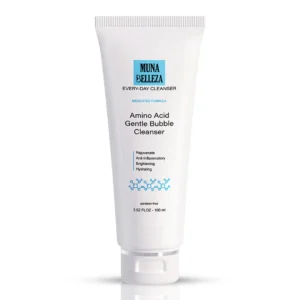
Amino Acid Gentle Bubble Cleanser
Original price was: 36.00.34.00Current price is: 34.00. Add to cart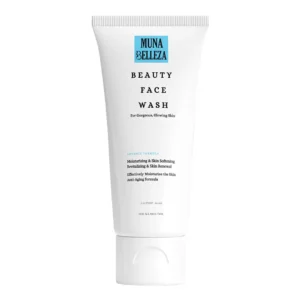
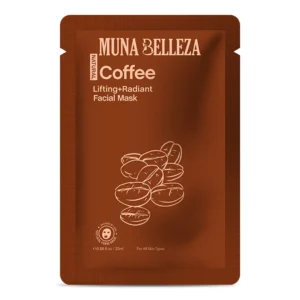
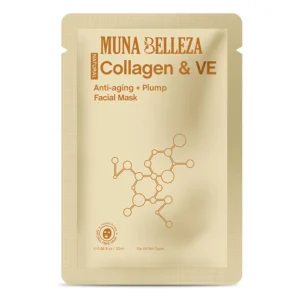
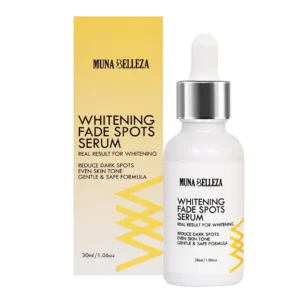
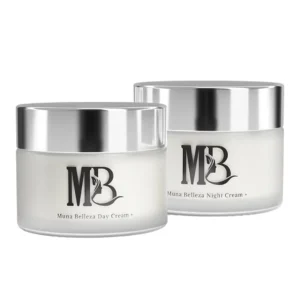
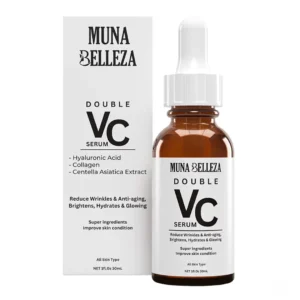
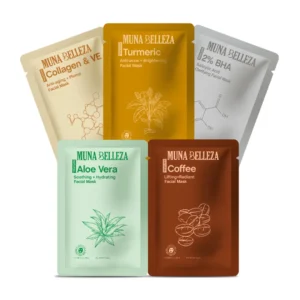
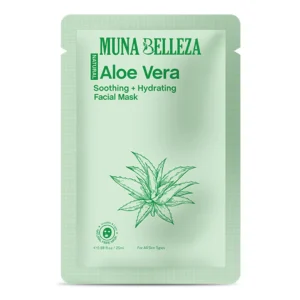
Korean Face Mask Sheets (Pack of 5)
Original price was: 69.00.66.00Current price is: 66.00. Add to cart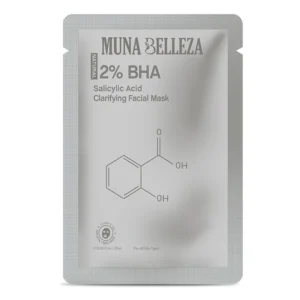
Salicylic Acid Face Mask (2% BHA)
Original price was: 25.00.24.00Current price is: 24.00. Add to cart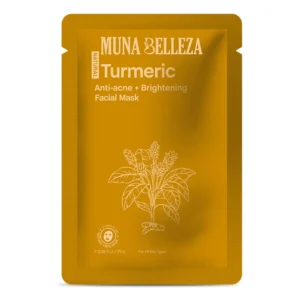
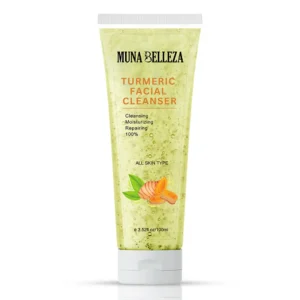
Not sure which card is you? Every product in our range is listed above, and the guide below explains the types of skin in plain words so you can shop with confidence.
What are the different skin types?
Your skin type is how your skin behaves when you leave it alone: how much oil it makes, how well it holds on to water, and how quickly it reacts. Dermatologists such as the American Academy of Dermatology group it into five types. Most people fit one best, and one can overlap another. Oily skin can also be sensitive, for example.
Normal skin
Feels comfortable most of the day, with no tight patches and no midday shine. Pores look small and breakouts are rare. It still needs a gentle wash, a moisturizer and daily sunscreen to stay that way. Browse the full Korean skincare range.
Dry skin
Feels tight soon after washing and can look dull, rough or flaky around the nose and cheeks. Fine lines show more because the surface holds less water. A creamy cleanser and a richer cream that seals moisture in help most. See products for dry skin.
Oily skin
Looks shiny by midday, pores on the nose and forehead look larger, and makeup tends to slide. Blackheads and breakouts are common. The fix is not stripping it with harsh washes, but a light gel cleanser and an oil-free layer of moisture. See products for oily skin.
Combination skin
Oily across the forehead, nose and chin (the T-zone), while the cheeks feel normal or dry. It is very common in the UAE, where outdoor heat and indoor AC pull skin in two directions. See products for combination skin.
Sensitive skin
Stings, itches or turns red with new products, fragrance, hot water or strong sun. It can sit on top of any other type. Short ingredient lists, no added fragrance and a patch test before anything new are the safest rules. See products for sensitive skin.
Acne-prone skin
Not an official type on its own, but a real pattern: regular spots, blackheads or clogged pores, most often on oily or combination skin. Gentle cleansing and pore-clearing ingredients help, while scrubbing hard usually makes things worse. Our acne guide explains the types and a simple routine.
How to tell your skin type: a simple skin type test
You don't need a gadget or a clinic visit to answer "what is my skin type?". This bare-face test takes about half an hour:
- Wash: clean your face in the evening with a mild cleanser and pat it dry.
- Wait: put nothing on for about 30 minutes. Stay in a normal room, not straight after the gym or the beach.
- Check: tight or flaky means dry. Shiny all over means oily. Shiny only on the forehead, nose and chin means combination. Comfortable everywhere means normal.
- Think back: if products often sting or leave you red, add "sensitive" to your answer.
Want a second check for shine? Our oily skin guide shows a blotting-paper version of the test.
Can your skin type change in the UAE?
Your genes set the starting point, but hormones, age, medicines and climate all move it. Skin tends to make more oil in hot, humid months, so many people feel oilier from May to September. Long hours in dry, air-conditioned rooms do the opposite and pull water out of the surface. That is why a face can be shiny on the T-zone and tight on the cheeks on the same day.
It also helps to know the difference between dry and dehydrated. Dry skin makes too little oil. Dehydrated skin is short on water and can happen to any type, oily included. If your skin is shiny yet feels tight, it is often oily and dehydrated, and it needs a light moisturizer, not less of one. Repeat the test when the seasons change, and swap textures if you need to: gels and light layers in summer, creamier care in the cooler months.
Skin type questions
How many skin types are there?
Five: normal, dry, oily, combination and sensitive. Acne-prone skin is often added as a sixth group, although it usually sits on oily or combination skin.
Can I have oily and sensitive skin at the same time?
Yes. Sensitivity is about how skin reacts, not how much oil it makes. Choose light textures for the oil and fragrance-free, short formulas for the sensitivity, and patch test first.
Why is my face oily but tight after washing?
Usually because the cleanser is too strong or skin is dehydrated. Switch to a gentler wash such as an amino-acid cleanser and add a light moisturizer. If the tightness goes but the shine stays, you are most likely oily or combination.
Does skin type change with age?
Often, yes. Skin usually makes less oil as we get older, so many people move from oily or combination towards normal or dry. Pregnancy, hormonal changes and some medicines can shift it too.
Is normal skin the best skin type?
There is no best type. Every type can look healthy with the right routine, and every type still needs a moisturizer and sunscreen in the UAE sun.
Which Muna Belleza products suit most skin types?
The Amino Acid Gentle Bubble Cleanser has no added fragrance and no sulfates, and the Double Vitamin C Serum is water-based with no oils and no added fragrance, so both are easy starting points. Patch test any new product, especially if your skin is sensitive.
When should I see a dermatologist about my skin?
If you have painful or cystic spots, redness that doesn't settle, cracked or itchy patches, or any change that worries you, see a doctor. Skincare products care for the skin but don't treat medical conditions.
Learn more in our guides to oily skin, dry skin, combination skin and your skin barrier.