Search for blackhead removal and you will find two worlds: satisfying extraction videos with millions of views, and shelves of strips, suction gadgets, metal tools and peel-off masks that promise to pull every dot out in minutes. Both make it look easy. The reality is less dramatic: most blackheads come out best slowly, with the right ingredients, and the quick methods tend to bring them back within days or leave the skin red and marked.
This guide ranks the options honestly, from what works long term to what to skip, and shows how to use tools and strips safely if you want to. For a simple weekly step, our blackhead mask combines salicylic acid with glycolic acid in a 15-minute sheet mask. If you are not sure whether your dots are blackheads or simply visible pores, start with our guide to clogged pores.
What blackheads are, and why they turn black
A blackhead is a pore filled with a soft plug of oil and dead skin cells that stays open at the surface. Doctors call it an open comedone. The dark colour isn’t dirt: when the top of the plug meets air, the oils and the skin’s own pigment in it oxidise and darken, much like a cut apple turning brown. That is why scrubbing harder doesn’t make them disappear.
Blackheads vs whiteheads
Both are clogged pores. A blackhead is open to the air and dark; a whitehead (closed comedone) is covered by a thin layer of skin, so it stays white or skin-coloured and is harder to empty. Neither is red or painful unless it becomes inflamed, at which point it has turned into a pimple.
Should you remove blackheads?
Blackheads are harmless, so removing them is about how your skin looks and feels, not about health. Leaving them is fine. If they bother you, the safest goal is to loosen and dissolve the plugs over a few weeks rather than force them out in one go. Very large single ones, often on the cheeks, back or ears and sometimes called a dilated pore, are best removed by a dermatologist, who can empty them fully so they don’t refill.
Blackhead removal methods, ranked
Work best over time
- Salicylic acid (BHA): dissolves through oil and loosens plugs from inside the pore. It is the first ingredient most dermatologists suggest. Our salicylic acid guide explains strengths and how often to use it.
- Retinoids: adapalene and other retinoids stop new plugs forming by keeping the pore lining shedding normally. They take two to three months and can cause dryness at first; not for use in pregnancy.
- AHAs such as glycolic acid: smooth the skin surface and help clear the pore opening. Best as support, not the main treatment.
Quick, but temporary
- Professional extraction: a trained therapist or dermatologist empties pores with sterile tools. Clear results the same day, though new plugs form again without a routine.
- Clay and charcoal masks: absorb surface oil so pores look cleaner for a day or two. They don’t pull plugs out.
- Pore strips: lift the top of some plugs, which feels satisfying, but the rest of the plug stays and refills within days.
Use with care
- Extractor tools (comedone loops): can work on a ready, soft plug, but pressing too hard bruises skin and can push material deeper.
- Suction devices: weak ones do little; strong ones can cause bruising and broken blood vessels, especially on thin or darker skin.
Skip
- Needles, pins and fingernails, which tear the skin and can leave marks.
- Homemade glue or peel-off masks that stick hard to the skin.
- Gritty scrubs, toothpaste, lemon and baking soda, which irritate rather than unclog.
How to use a blackhead remover tool safely
If you want to try an extractor at home, keep it gentle and limited:
- Soften first. Do it after a warm shower, when the plugs are softer.
- Clean everything. Wash your hands and wipe the tool with alcohol before and after.
- Press around, not on. Place the loop around the dot and press lightly, rolling slightly. If nothing comes out after two gentle tries, stop and leave it for another day.
- Never on red bumps. Don’t use a tool on inflamed pimples, whiteheads under the skin or anything painful.
- Calm the skin after. Rinse, apply a light, fragrance-free moisturiser and skip acids that evening.
How to use blackhead strips
Strips work best on the nose and chin. Wet the area, press the strip on firmly, leave it for the time on the pack, then peel it off slowly from the edges. Use them no more than once a week, never on sunburned or broken skin, and follow with moisturiser. If they leave redness every time, they aren’t for your skin.
A four-week plan to clear blackheads
- Every day: cleanse morning and night with a gentle face wash, and twice in the evening if you wore sunscreen or make-up. Use a light, non-comedogenic moisturiser, and sunscreen in the morning.
- Three evenings a week: apply a salicylic acid product to congested areas. Increase slowly if your skin stays comfortable.
- Once a week: a BHA sheet mask or clay mask on the T-zone.
- Hands off: no squeezing between steps.
Most people see fewer, lighter dots after four weeks, and a clear difference by eight. Keep the routine going afterwards; they return when it stops.
Blackheads on the forehead, jawline and cheeks
- Forehead and hairline: hair oils, styling products and sweat under caps and headscarves are common triggers. Keep products off the hairline and cleanse after sweating.
- Jawline and chin: hormones, resting your chin in your hand and friction from scarves or helmets. Common in adult women and men with oily skin.
- Cheeks: often from phones, pillowcases and heavy make-up; also where large single plugs appear with sun damage.
- Men: oilier skin and shaving around the beard area. A salicylic acid cleanser or toner suits most men’s routines well.
The nose is the most common spot of all, and many of the grey dots there are normal oil filaments rather than true blackheads.
Professional blackhead removal in the UAE
Clinics and licensed skin therapists offer deep-cleansing facials with extraction, chemical peels with salicylic or glycolic acid, and devices that combine exfoliation with suction. A facial every four to six weeks can help stubborn congestion, especially alongside a home routine. Choose a clinic licensed by the DHA, DOH or MOHAP, make sure tools are sterile, and avoid strong peels just before a beach day or after sun exposure.
Home remedies: honest verdicts
- Aloe vera: soothing after extraction, but it doesn’t clear pores.
- Tea tree oil: may help oily, spot-prone skin when diluted or in a finished product; neat oil can burn.
- Sugar and honey scrubs: sugar crystals are sharp and can scratch the skin; there are gentler ways to exfoliate.
- Egg white masks: tighten as they dry but don’t empty pores, and raw egg on the face carries a small infection risk.
- Steam: softens plugs before extraction. Keep it short; long, hot steam irritates skin.
Common questions
Do blackheads go away if you don’t squeeze them?
Many do, slowly, as the skin sheds. Others stay for weeks or months. A salicylic acid routine speeds this up without the risks of squeezing.
Why do my blackheads keep coming back?
Because the cause, oil and dead cells collecting in the pore, keeps going. Removing a plug doesn’t change that; a regular routine with BHA or a retinoid does.
What is the best face wash for oily skin and blackheads?
One you will use twice a day that leaves skin clean but not tight. A salicylic acid face wash adds a little extra help. Our beauty face wash is a deep-cleansing option for oily skin and men; drier or sensitive skin does better with the gentler amino acid cleanser.
Do I need a non-comedogenic moisturiser?
If you get blackheads easily, choose a light gel or lotion and test new products one at a time. The label alone isn’t a guarantee, because “non-comedogenic” isn’t a regulated claim.
What if a blackhead becomes red and painful?
It has become inflamed. Stop touching it, use a spot treatment and let it heal; if it gets bigger, hot or very painful, see a doctor.
Ready to start? Our blackhead mask and face washes are made in Korea, with free delivery to every emirate and cash on delivery available.
Learn more about our Korean face masks.
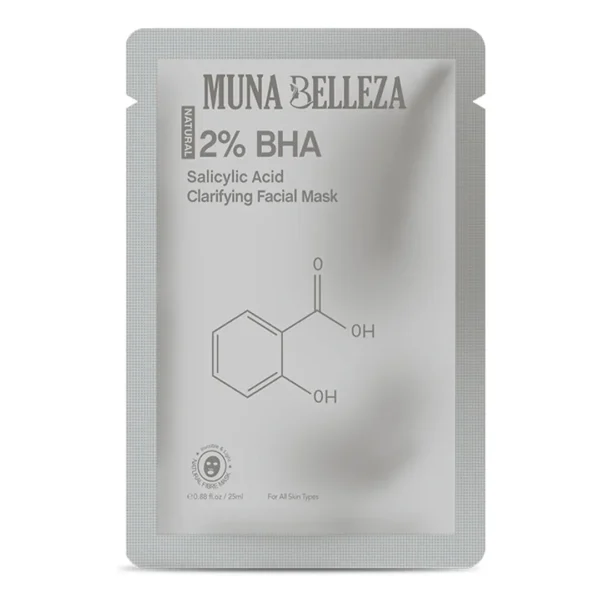 BHA mask for blackheads
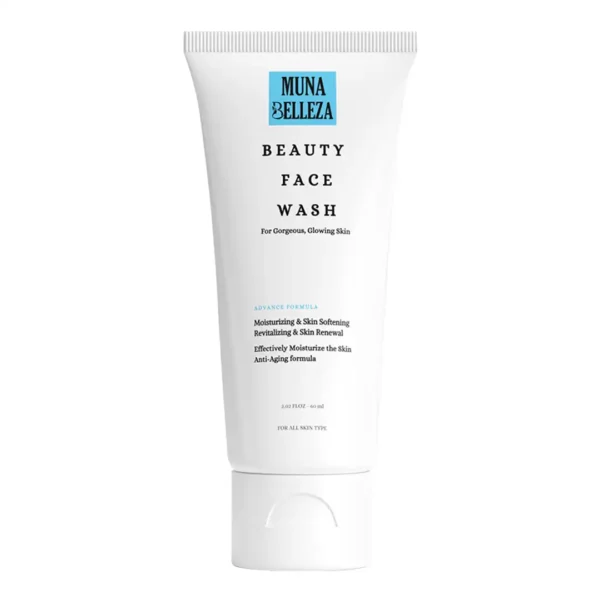 Deep-cleansing face wash
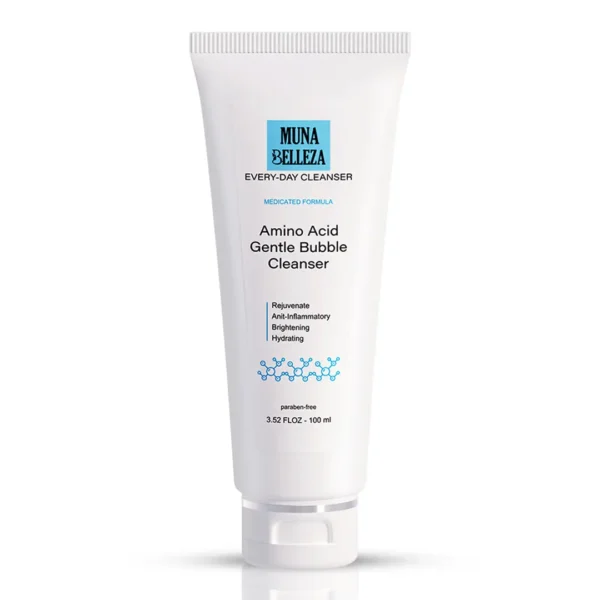 Gentle cleanser