If your forehead and nose shine by midday while your cheeks feel tight, you’re not imagining it: you probably have combination skin. It’s one of the most common skin types, and one of the most confusing to care for, because products that suit one part of your face can upset another.
The answer isn’t twice as many products. It’s a balanced routine with a few smart adjustments for each area. This guide explains what combination skin is, how to recognise it, and the simple routine that keeps both zones happy. For a light, balancing option, browse our moisturizer for combination skin range.
What does combination skin mean?
Combination skin means your face has two (or more) skin types at once. Most often, the T-zone (forehead, nose and chin) is oily, while the cheeks and the area around the eyes are normal or dry. The T-zone simply has more oil glands than the cheeks, so it produces more sebum.
There’s also “normal to combination” skin: a mostly balanced face with a slightly shiny nose or forehead. It needs the same approach, just with lighter products.
Signs you have combination skin
- A shiny forehead, nose or chin a few hours after washing.
- Cheeks that feel normal, tight or flaky at the same time.
- Larger, more visible pores on the nose and between the brows.
- Blackheads or small spots in the T-zone, but rarely on the cheeks.
- Make-up that slides off the nose but looks dry on the cheeks.
Not sure? Our oily skin guide includes a simple tissue test that tells oily, combination and dry skin apart.
Why skin becomes combination
- Genes: the main reason; your oil-gland pattern is inherited.
- Hormones: oil production rises in the teenage years and around periods, pregnancy or stress.
- UAE climate: heat and humidity outdoors push the T-zone to produce more oil, while dry air-conditioning indoors dehydrates the cheeks. Many people’s skin is more “combination” here than it was at home.
- The wrong products: harsh cleansers strip the cheeks, while heavy creams clog the T-zone, making both sides worse.
Common combination skin problems
- Breakouts in the T-zone: combination skin acne usually shows up as blackheads and small pimples on the nose, chin and forehead.
- Dry, flaky cheeks: especially from strong acne products used all over the face.
- Dehydration: skin that’s shiny and tight at the same time is often lacking water, not oil.
- Uneven texture: enlarged pores in the centre, rough patches at the sides.
The best routine for combination skin
Morning
- Gentle cleanser: a low-foam, balanced cleanser that doesn’t leave cheeks tight. Amino acid cleansers are a good fit.
- Light serum: niacinamide is ideal, because it helps control oil in the T-zone and supports the barrier on the cheeks.
- Lightweight moisturiser: a gel-cream or lotion on the whole face.
- Sunscreen: a fluid or gel formula, SPF 30 or higher.
Evening
- Double cleansing on make-up or heavy sunscreen days: a cleansing oil or balm first, then your gentle cleanser. Double cleansing for combination skin keeps the T-zone clear without over-washing the cheeks. On other nights, one cleanse is enough.
- Treatment: a salicylic acid product on the T-zone only, 2–3 nights a week. See our salicylic acid guide.
- Moisturiser: the same light layer, with a little extra on dry cheeks.
Once or twice a week, add a mask (see zone care below). For the order of every step, our skin care routine guide has the full picture.
Zone care: treat each area differently
The easiest way to handle face care for combination skin is to use the same simple base everywhere and add targeted extras only where needed:
- T-zone: salicylic acid, clay masks and lighter moisturiser.
- Cheeks: extra hydration, such as a hyaluronic acid serum or a slightly richer cream.
- Multi-masking: the best face pack for combination skin is two packs at once: clay or a salicylic acid mask on the T-zone, and a hydrating sheet or cream mask on the cheeks. Find the right masks in our best face mask guide.
Choosing products
- Best cleanser: gentle, pH-balanced and low-foam. Avoid harsh foams that squeak.
- Best serum for combination skin: niacinamide, or a light hyaluronic acid serum if cheeks feel tight.
- Best cream for combination skin: a gel-cream that hydrates without feeling greasy.
- Korean skincare for combination skin: Korean routines suit this skin type well because they layer several light products instead of one heavy one. A simple Korean skincare routine for combination skin is: gentle cleanser, hydrating toner, light serum, gel-cream, sunscreen.
- Natural skincare: aloe vera gel and honey masks are gentle options for both zones; skip lemon and harsh scrubs.
- Sensitive combination skin: keep it fragrance-free and introduce one new product at a time.
And for professional help, the best facial for combination skin is a gentle hydrating facial with light T-zone extractions, not aggressive steaming and scrubbing all over.
Common questions
What does “combination skin type” mean?
It means different areas of your face behave differently: usually an oily T-zone with normal or dry cheeks.
Can combination skin change over time?
Yes. Skin often gets drier with age, and climate, hormones and products can shift the balance.
Do men get combination skin?
Yes, often. Combination skin in men tends to be oilier in the T-zone because of higher oil production, and shaving can dry the cheeks and jaw. A gentle cleanser and a light, fragrance-free moisturiser work well.
What are the best products for combination skin?
A gentle cleanser, a niacinamide serum, a light gel-cream moisturiser and a daily sunscreen, with salicylic acid on the T-zone when needed.
Ready to balance your skin? Our cleansers and serums are made in Korea, with free delivery to every emirate and cash on delivery available.
Learn more about our face wash and cleansers.
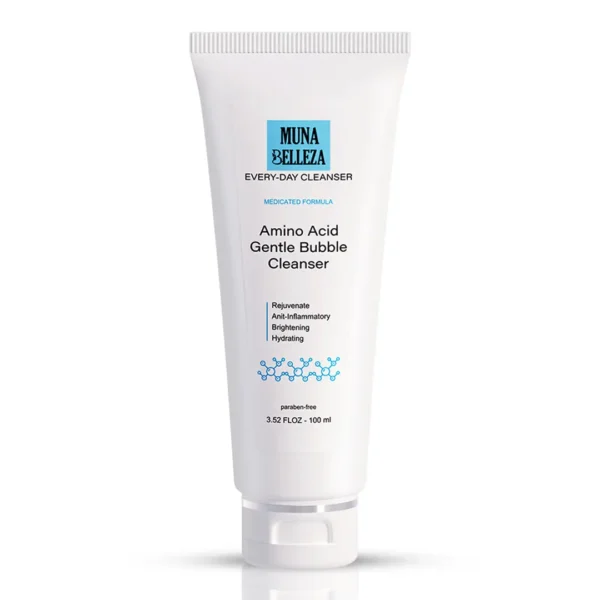 Amino acid cleanser
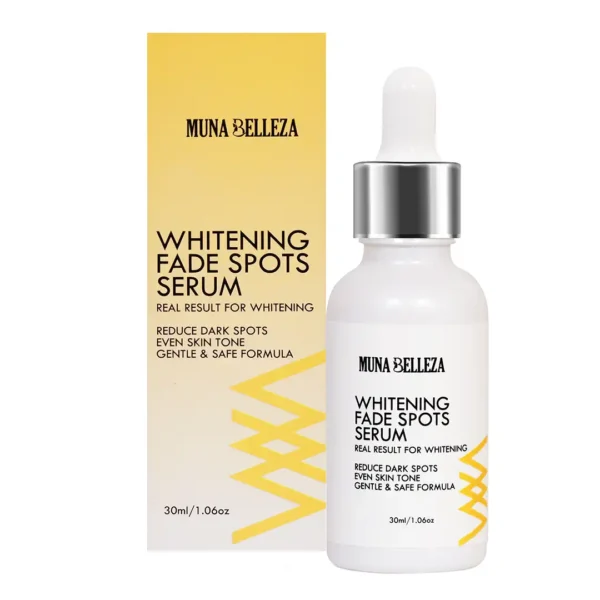 Dark spot correcting serum
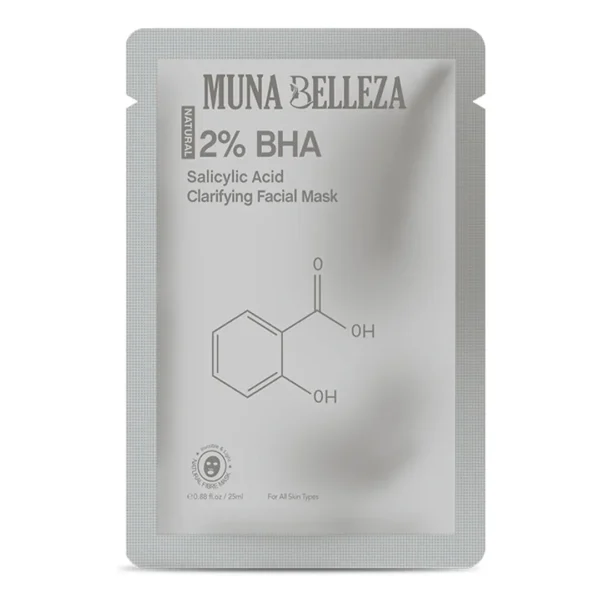 Salicylic acid mask