If you read Korean ingredient lists, you’ll keep spotting beta glucan, often high up the list in masks and serums. It’s marketed as a better hyaluronic acid, a barrier fixer and an anti-ager all at once, which is a lot to expect from one ingredient.
So what is it actually doing for your face, and should you seek it out? It comes down to two jobs it does well: holding water in the skin and calming it down. Below we explain where it comes from, what the research shows, how it stacks up against hyaluronic acid and the best way to use it. If you want to try it in an easy format, a hydrating face mask with beta glucan near the top of the list is a simple start.
What is beta glucan?
Beta glucan is a natural sugar chain, or polysaccharide, found in the cell walls of oats and barley, yeast, mushrooms, seaweed and some bacteria. In skincare it’s usually made from oats or yeast. On an ingredient list it appears as Beta-Glucan, sometimes with its source in brackets.
It’s the same family of compounds that makes oats so soothing in colloidal oatmeal baths, which have been used for itchy, dry skin for generations.
What does beta glucan do for skin?
- Hydrates and forms a light film. It attracts water and leaves a thin, breathable layer on the surface, so skin loses less moisture through the day. That’s useful in dry, air-conditioned rooms.
- Soothes. It’s widely used in products for stressed, tight or easily irritated skin, and suits skin that’s recovering from too many actives.
- Supports healing. Beta glucans are used in some wound dressings, and reviews describe how they help damaged skin repair itself. Most of this evidence comes from wound care and lab studies rather than everyday cosmetics.
- Antioxidant activity. Lab studies show it can mop up free radicals, the unstable molecules made by sun and pollution.
Claims that it erases wrinkles come mostly from small studies paid for by ingredient makers. It can make fine dryness lines look softer by plumping the surface with water, but it isn’t a replacement for sunscreen or retinoids.
Beta glucan vs hyaluronic acid
Both are humectants: they pull water into the top layers of skin. Hyaluronic acid is famous for how much water it can hold, while beta glucan adds a soothing, film-forming side that makes it feel especially comfortable on reactive skin. Neither is “better”. They do slightly different jobs, and many Korean formulas use both. Our hyaluronic acid guide explains that ingredient in detail.
If most products make your face sting, a formula that leads with beta glucan may feel gentler. If you simply want a light, bouncy hydration layer, hyaluronic acid does that job well. Using them together is completely fine.
Who it suits
- Dry or dehydrated skin, especially in AC.
- Reactive skin that flushes easily and struggles with strong actives.
- Skin using strong actives such as acids or retinoids, as a calming partner.
- Oily and acne-prone skin too: it’s light, water-based and isn’t linked to clogged pores.
Reactions to beta glucan itself are uncommon. If a product with beta glucan irritates you, check the rest of the list for fragrance or strong acids first.
How to use it
- Apply it to clean, slightly damp skin so it has water to hold on to.
- Use it before heavier layers: serum or mask first, then moisturizer, then sunscreen in the morning.
- Any time of day works. It doesn’t react with sunlight and layers well with niacinamide, vitamin C, retinol and acids.
- Look at its position on the list. Brands rarely print percentages, so near the top usually means more of it.
Where you’ll find it in our range
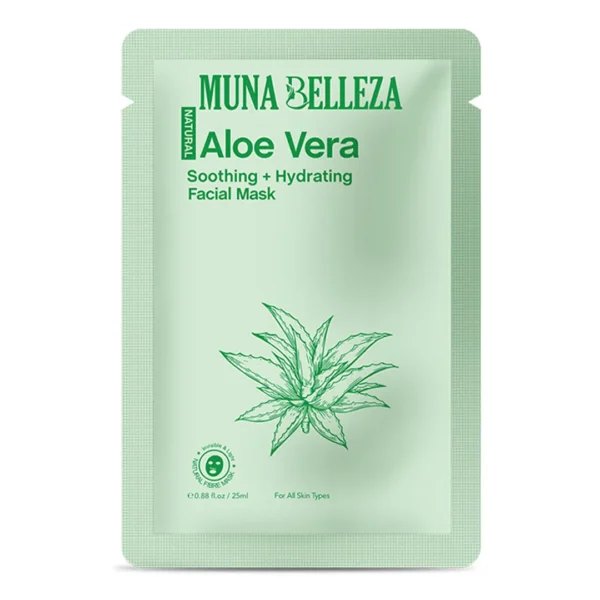
- Aloe Vera Face Mask: beta glucan is the third ingredient, with aloe, centella, licorice, panthenol and ectoin. A 15-minute hydrating mask for dry or stressed skin. It’s fragranced, so try it on a small area before the first full use.
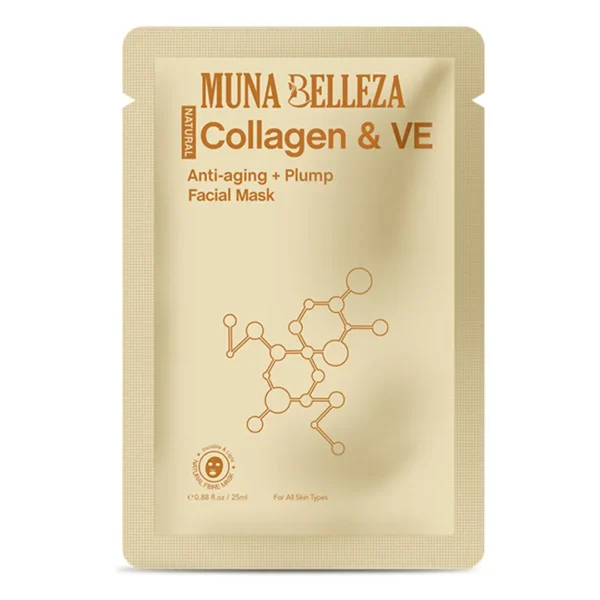
- Collagen Face Mask: also third on the list, alongside hyaluronic acid and a peptide, for a plumper look before an event. Contains fragrance.
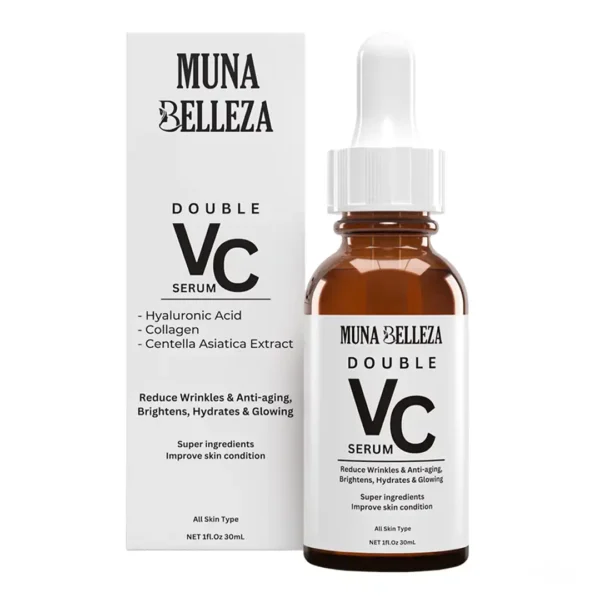
- Double Vitamin C Serum: beta glucan appears lower down the list, helping keep this water-based vitamin C serum comfortable. No added fragrance.
- Salicylic Acid Face Mask: a smaller amount helps soften the feel of the acids.
Want both masks plus three others? The Korean Face Mask Sheets (Pack of 5) includes the aloe and collagen sheets. You can browse all our beta glucan skincare and other Korean formulas in one place.
Common questions
Is beta glucan better than hyaluronic acid?
Not better, just different. Both hydrate; beta glucan adds a calming, film-forming feel, while hyaluronic acid is a lighter water booster. They work well together.
Is beta glucan good for acne-prone skin?
For most people, it is. It’s light and water-based and helps calm skin that’s irritated from acne treatments. It doesn’t treat spots itself.
Can I use beta glucan every day?
Absolutely, even twice a day. Few skincare ingredients are this easy-going.
Is oat beta glucan the same as yeast beta glucan?
They’re close relatives with slightly different structures. Both hydrate and soothe in skincare, and labels don’t always say which one is used.
Can beta glucan replace my moisturizer?
Usually not on its own. It holds water, but most skin, especially in UAE air-conditioning, still needs a cream on top to seal that water in.
Every order ships free across the UAE, with card, Apple Pay or cash on delivery.
Learn more about our Korean face masks.
 Hydrating face mask
 Plumping mask
 Vitamin C serum