Lean close to a bathroom mirror and almost everyone finds something to worry about: tiny dark dots across the nose, a rough patch of bumps on the forehead, or pores on the cheeks that look bigger every year. Search for help and you will meet pore strips, suction gadgets, “pore minimizer” creams and DIY masks promising to close them for good. Most of it treats pores as a flaw to be erased, which is exactly why so many people end up with irritated skin and the same pores.
The truth is simpler: pores can’t be removed, but clogged pores can be cleared and open pores can be made to look much smaller. It comes down to knowing which problem you have and treating that one. If your main issue is blackheads and an oily T-zone, our blackhead mask is a simple weekly step that works inside the pore.
What pores are (and why they don’t open or close)
Pores are the openings of hair follicles on the skin. Each one connects to an oil gland that releases sebum, the natural oil that keeps skin soft. You have them all over your body, but the face, especially the nose, forehead and inner cheeks, has more and larger oil glands, so pores there are easier to see.
Pores have no muscles, so hot water doesn’t “open” them and cold water doesn’t “close” them. Warm water softens the oil inside, which makes cleansing easier; cold water makes skin look tighter for a few minutes. Neither changes the pore itself.
Clogged pores vs open pores
Clogged pores
A pore gets clogged when sebum and dead skin cells form a plug inside it. If the plug is open to the air, the top darkens and you see a blackhead. If it stays under a thin layer of skin, it becomes a whitehead or a small skin-coloured bump. Left alone, some of these plugs become inflamed and turn into pimples, which is why clogged pores are the starting point of most acne. Our guide to acne types and causes explains what happens next.
One look-alike: the grey or light-brown dots evenly spread across many noses are often sebaceous filaments, a normal lining of oil in the pore, not true blackheads. They refill within days whatever you do, so the goal is to keep them less visible, not to remove them.
Open pores (large pores)
Open or enlarged pores are pores that simply look wide. Their size depends mostly on three things: genes, how much oil your skin makes, and age. Research links bigger facial pores closely to higher oil output. With age and sun damage, the collagen around each pore weakens and pores stretch into slightly oval shapes. A pore that is clogged also looks larger, because the plug stretches the opening.
How to tell if your pores are clogged
- Small dark dots on the nose, chin or forehead that don’t wipe off.
- A rough, sandpaper feel when you run your fingers over your forehead or jaw.
- Tiny skin-coloured bumps that are easier to see in side light.
- Makeup that sits unevenly or “catches” in certain areas.
- Breakouts that keep appearing in the same places.
If the bumps are itchy, all the same size and spread across the forehead or chest, or if they are deep and painful, see a dermatologist. Those are not ordinary clogged pores and need a different treatment.
What causes clogged pores
- Extra oil. Hormones, genes and heat all raise sebum output. The UAE summer, with heat and humidity on the coast, makes many people oilier than they are in winter.
- Dead cells that don’t shed properly. In clog-prone skin the pore lining sticks together instead of flaking away.
- Products left on the skin. Sunscreen, makeup and sweat that aren’t fully removed at night sit in the pores for hours.
- Heavy or pore-clogging formulas on skin that is prone to congestion (see the next section).
- Hair products and friction. Oils and waxes from hair styling, plus phones, helmets, caps and face coverings rubbing the skin, often cause bumps along the hairline, forehead and jaw.
- Over-scrubbing. Harsh scrubs and frequent peeling irritate the skin, which can make congestion worse rather than better.
Pore-clogging ingredients
Many people search for a list of pore-clogging ingredients or use an online “checker”. These ingredients come up most often in comedogenicity research:
- Isopropyl myristate and isopropyl palmitate
- Coconut oil and cocoa butter
- Acetylated lanolin and some other lanolin derivatives
- Myristyl myristate, laureth-4 and some fatty esters
- Some algae and seaweed extracts
A useful warning, though: most comedogenic ratings come from older tests on rabbit ears using pure ingredients, not finished products. A small amount in a well-made cream may cause no problems, while a product with no “flagged” ingredients can still clog your pores. “Non-comedogenic” on a label is also not a regulated claim. Use lists and checkers as a guide, then judge any new product by your own skin over about four weeks, adding one new product at a time.
How to unclog pores
- Cleanse twice a day. Use a gentle face wash morning and night, and after heavy sweating. For oily, breakout-prone skin our turmeric face wash with tea tree is a good daily option; it contains tea tree oil, so patch test first.
- Remove sunscreen and makeup properly. On days you wear either, cleanse twice in the evening: first with a cleansing oil, balm or micellar water, then with your face wash.
- Add an exfoliant that works inside the pore. Salicylic acid (BHA) dissolves through oil and loosens plugs. Our salicylic acid guide explains strengths and how often to use it. AHAs such as glycolic acid smooth the surface and help with rough texture.
- Use a weekly mask. A salicylic acid sheet mask or a clay mask once or twice a week gives congested areas extra attention without daily irritation.
- Moisturise anyway. Oily skin still needs a light moisturiser; dehydrated skin can feel tight and look duller, and congestion often looks worse.
- Hands off. Squeezing pushes debris deeper, stretches the pore and can leave marks. If you can’t resist, see a professional for extractions.
Expect smoother skin within two to four weeks and clearer pores after about six to eight weeks of steady use. Stop, and the plugs slowly return, so think of it as maintenance rather than a one-off fix.
How to minimize the look of open pores
No product can permanently shrink a pore, but several things make pores look noticeably smaller:
- Keep them clear. Empty pores look smaller and darker plugs stop drawing the eye. Everything in the section above helps.
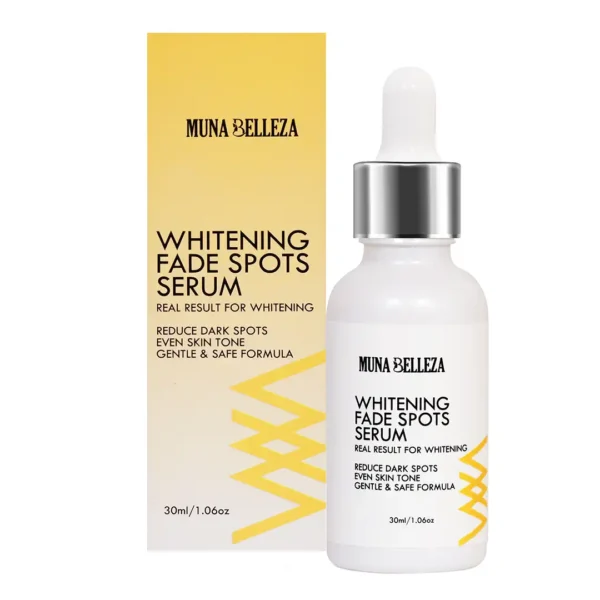
- Niacinamide. Studies show it can reduce oiliness, and many people find their pores look finer with regular use. Our niacinamide serum combines it with arbutin; it has a light fragrance, so patch test first.
- Retinoids. Over months they keep pores clearer and support collagen around them, which helps stretched pores look tighter.
- Daily sunscreen. Sun damage weakens the support around pores, so protecting skin now helps them look smaller later.
- Primers and “pore minimizers”. Silicone-based primers fill and blur pores for the day. They are make-up, not treatment, so remove them well at night.
- Clinic options. For pores that bother you a lot, dermatologists offer laser treatments, microneedling and chemical peels, which can improve texture over several sessions.
Pore myths and home remedies
- Steam “opens” pores: it softens oil, which helps extractions, but too much heat can irritate skin and leave redness. Keep it short, or skip it.
- Pore strips: they pull out the top of some plugs, which feels satisfying, but pores refill within days and the strips can irritate sensitive skin.
- Pore vacuums and suction tools: strong suction can cause bruising and broken blood vessels, especially on thin skin. Not worth the risk.
- Baking soda, lemon or toothpaste: these upset the skin’s natural acidity and irritate it, which can make congestion and dark marks worse.
- Egg white or peel-off masks: they tighten as they dry, so skin looks smoother for an hour, but they don’t clear or shrink pores.
- Ice cubes: they make skin look tighter for a few minutes. Harmless if wrapped in a cloth, but the effect doesn’t last.
Common questions
Why are the pores on my nose bigger?
The nose has some of the largest oil glands on the face, so its pores are naturally wider and fill with oil faster. That is why blackheads and sebaceous filaments gather there first.
Do pores get bigger with age?
Often, yes. As collagen around the pore weakens with age and sun, pores lose support and look larger and more oval. Sunscreen and retinoids are the best long-term protection.
Can moisturiser clog pores?
A heavy, rich cream can on oily skin, but skipping moisturiser altogether usually backfires. Choose a light gel or lotion texture, and test new products one at a time.
Does sunscreen clog pores?
Some thick formulas can, but the bigger problem is not removing it properly at night. Pick a light fluid or gel texture for oily skin, and cleanse twice in the evening.
What is the best face wash for large pores?
A gentle, non-drying cleanser you will use twice a day. Washing can’t shrink pores, but keeping oil and sunscreen out of them helps them look smaller. Avoid very harsh or gritty washes that leave skin tight.
Ready to give your pores some attention? Our blackhead mask, face wash and niacinamide serum are made in Korea, with free delivery to every emirate and cash on delivery available.
Learn more about skin care products for oily skin.
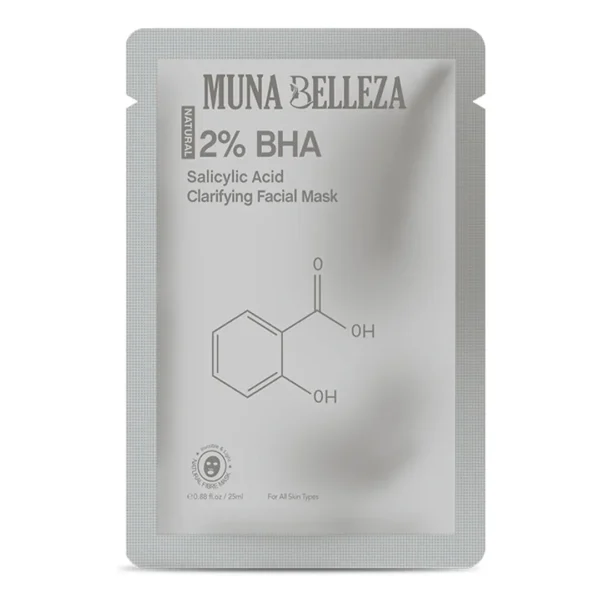 Blackhead mask
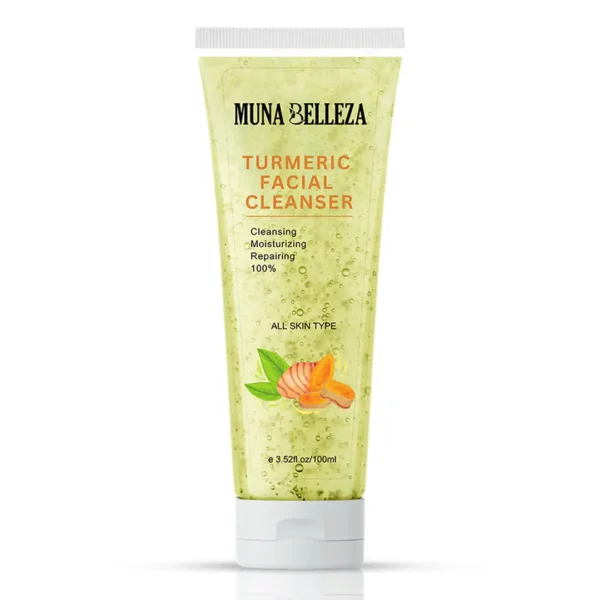 Face wash for oily skin
 Niacinamide serum