One day you notice it in a photo: a line between the brows that stays even when you relax, or fine creases at the corners of the eyes after a long summer. Wrinkles are a normal part of life, yet they are one of the main reasons people in the UAE start spending more on skincare. The shelves are full of creams promising to erase lines, and clinics advertise instant results. So what actually makes a difference?
It helps to know which kind of line you are looking at, because creams, habits and clinic treatments each work on different ones. This guide explains the types and causes, what slows wrinkles down and which ingredients have real evidence behind them. If you want something simple to start with, a weekly collagen sheet mask is an easy way to give dry, tired skin a smoother, plumper look while a longer-term routine does its work.
What are wrinkles and fine lines?
Wrinkles are creases that form as skin loses its firmness and bounce. Underneath the surface, two proteins keep young skin smooth: collagen, which gives strength, and elastin, which lets skin spring back. From our mid-twenties the body makes less of both, skin holds less water, and the fat pads that support the face slowly thin out. Over time, skin that folds a thousand times a day stops unfolding completely.
Fine lines vs wrinkles
Fine lines are the early, shallow version: thin creases you mainly see when you smile or squint, or when skin is dry. Wrinkles are deeper and stay visible when your face is still. The difference matters because fine lines respond well to good skincare, while deep wrinkles usually need more than a cream to change much.
Types of wrinkles on the face
- Expression lines (dynamic wrinkles): caused by repeated muscle movement. They include crow’s feet, forehead lines and the “11” frown lines between the eyebrows. At first they only show when you move.
- Static wrinkles: expression lines that have become permanent, plus lines from sun damage. They are visible even at rest.
- Dehydration lines: a fine, crisscross texture, often on the cheeks, that appears when skin is dry. Unlike true wrinkles, these soften within days once skin is well hydrated.
- Sleep lines: creases on one side of the face or chest that match the way you sleep. They fade after waking when you are young, but can set over the years.
- Folds: deeper lines such as the ones from nose to mouth, caused mostly by loss of volume and the pull of gravity rather than by the skin surface.
What causes wrinkles?
Age and genes set the pace, but research suggests that most visible skin ageing on the face comes from things we can influence:
- Sun. UV light breaks down collagen and elastin and is the biggest outside cause of lines, roughness and sagging. In the UAE, where the UV index is high for most of the year, this matters more than anything else on this list.
- Repeated expressions. Squinting in bright light, frowning at a screen and raising your eyebrows all fold the same skin again and again.
- Smoking and shisha. Smoke damages collagen and reduces blood flow to the skin. Smokers tend to get lines around the lips and eyes earlier.
- Dry air and air-conditioning. Long hours in cold, dry AC pull water out of the skin, which makes existing lines look deeper.
- Sleep position and short sleep. Pressing one cheek into a pillow every night creases the skin, and poor sleep leaves skin looking duller and less plump.
- Big weight changes and hormones. Fast weight loss removes volume, and the drop in oestrogen around menopause speeds up collagen loss.
One detail many drivers notice: the side of the face next to the car window often ages faster, because daily UVA passes through side glass. In the UAE that is usually the left side for the driver.
At what age do wrinkles appear?
Most people see their first fine lines between their late twenties and mid-thirties, usually around the eyes and forehead. Deeper, permanent wrinkles tend to appear from the forties onwards. Lots of sun, smoking or very fair skin can bring this forward by ten years or more; darker skin, which has more natural protection from melanin, often shows lines later. Women often notice a faster change in the years around menopause.
How to prevent wrinkles
Prevention is far easier than reversal, and the most effective habits cost very little:
- Wear sunscreen every day. In a large study, adults who applied broad-spectrum sunscreen daily showed no detectable increase in skin ageing over four and a half years, while the group who used it only when they chose to kept ageing. Use SPF 30 or higher on the face, neck and backs of the hands.
- Wear sunglasses. Less squinting means fewer folds at the corners of the eyes.
- Moisturise morning and night. Well-hydrated skin looks smoother and protects itself better, especially in AC.
- Don’t smoke. Stopping at any age slows further damage.
- Sleep on your back if you can, or at least switch sides, and aim for seven to eight hours.
- Eat colourful fruit and vegetables. No single food prevents wrinkles, but diets rich in antioxidants support skin, while lots of sugar and fried food is linked to faster skin ageing.
Anti-wrinkle ingredients that have evidence
Plenty of ingredients are sold as anti-wrinkle. These are the ones worth looking for, from strongest evidence down:
- Retinoids. Vitamin A derivatives are the best-studied skincare ingredients for wrinkles. Prescription tretinoin is the strongest; retinol and retinal are gentler versions sold in cosmetics. They help the skin make new collagen, but they can cause dryness and peeling at first, need daily sunscreen, and are not used in pregnancy.
- Sunscreen. Not an ingredient as such, but it is the only product proven to prevent new damage.
- Vitamin C. An antioxidant that helps protect skin from daily sun and pollution damage and supports collagen. Best in the morning, under sunscreen. Our vitamin C serum uses ascorbic acid, the pure form, in a water-based, fragrance-free formula with hyaluronic acid. Our guide on what a vitamin C serum does explains how to use it.
- Peptides. Short chains of amino acids. Some, such as argireline (acetyl hexapeptide-8), have shown a modest softening of expression lines in small studies. Useful helpers, not miracle workers.
- Exfoliating acids. AHAs such as glycolic acid smooth rough texture and can soften fine lines over months. Our glycolic acid guide covers safe strengths.
- Niacinamide. Supports the skin barrier and helps skin look smoother and more even. Read more in our niacinamide guide.
- Hyaluronic acid and glycerin. They pull water into the surface so lines look softer right away. The effect is temporary, but it is real and it makes dehydration lines almost disappear.
What about collagen in creams and masks? Collagen molecules are too large to rebuild your own collagen from the outside. In skincare they work as moisturisers, holding water on the surface and leaving a smooth, soft film. That is a genuine benefit for fine lines and dull skin, but no cream or mask “replaces” lost collagen.
A simple anti-wrinkle routine
Morning: gentle cleanser, vitamin C serum, moisturiser, then sunscreen of SPF 30 or more. Reapply sunscreen if you are outside for long.
Evening: cleanse well, then your treatment step: a retinol product two or three nights a week to start, or an AHA on other nights (not both on the same night). Finish with a richer moisturiser. Our day and night cream set has a lighter day cream with niacinamide and a night cream with argan oil, hyaluronic acid, panthenol and vitamin E; the day cream has no SPF, so sunscreen still goes on top.
Once or twice a week: a hydrating sheet mask. Our collagen face mask combines hydrolysed collagen, the peptide argireline, hyaluronic acid and a gentle form of vitamin A (retinyl palmitate). It contains fragrance, so patch test first, and ask your doctor before using vitamin A products if you are pregnant.
Give any routine at least eight to twelve weeks before you judge it. Skin renews slowly, and the products that work best usually work quietly.
Home remedies, exercises and quick fixes
- Aloe vera, honey and olive oil: pleasant, hydrating and fine for most people, so they can make dry lines look softer for a few hours. They don’t rebuild collagen or remove wrinkles.
- Oils for wrinkles: face oils such as argan or rosehip help dry skin hold moisture. Use a few drops over moisturiser; on oily or acne-prone skin they can cause breakouts.
- Face exercises and face yoga: one small study found a modest fuller look in the cheeks after 20 weeks of daily exercises, but the evidence is limited. Repeated frowning and squinting during exercises can also deepen expression lines.
- Collagen drinks and supplements: some studies show small improvements in skin hydration and elasticity, others show little. They are optional, not essential.
- “Remove wrinkles overnight” products: primers and “instant lift” creams can blur lines for a few hours with silicones and film-formers. That is make-up, not treatment, and it washes off.
Clinic treatments for deeper wrinkles
When lines are deep and permanent, skincare can soften the skin around them but won’t fill them. Licensed dermatologists in the UAE offer options that work on different kinds of wrinkle:
- Anti-wrinkle injections (botulinum toxin) relax the muscles behind expression lines such as frown lines and crow’s feet. Results last around three to six months.
- Fillers restore lost volume in folds and deeper static lines.
- Lasers, microneedling and chemical peels stimulate new collagen and improve texture, usually over several sessions.
Choose a clinic licensed by the DHA, DOH or MOHAP, and ask about recovery time and the risk of dark marks, which is higher on medium and darker skin.
Common questions
When should I start using anti-aging cream?
Sunscreen and a moisturiser are worth using from your teens. Many people add vitamin C or a gentle retinol in their mid- to late twenties, when collagen production starts to slow. There is no need for heavy “anti-aging” creams before then.
Can wrinkles be removed permanently?
Fine lines can soften a lot with a good routine. Deep wrinkles can be improved, mainly with clinic treatments, but ageing continues, so results need upkeep and daily sun protection.
Do men get wrinkles differently?
Men’s skin is thicker and oilier, so lines often appear a little later, but they tend to be deeper, especially on the forehead. Men also tend to skip sunscreen. The same basics work: daily SPF, a moisturiser and, if wanted, a retinol at night.
What causes forehead wrinkles?
Mostly raising the eyebrows, often while squinting in bright light, combined with sun damage. Sunglasses, daily sunscreen and a retinol help; deep forehead lines respond best to clinic treatments.
Does drinking water prevent wrinkles?
Being well hydrated keeps skin looking healthier, but drinking extra water beyond your needs won’t stop wrinkles. Moisturiser does more for the skin surface than an extra glass of water.
Looking for an easy first step? Our collagen face mask and vitamin C serum are made in Korea, with free delivery to every emirate and cash on delivery available.
Learn more about our Korean skincare range.
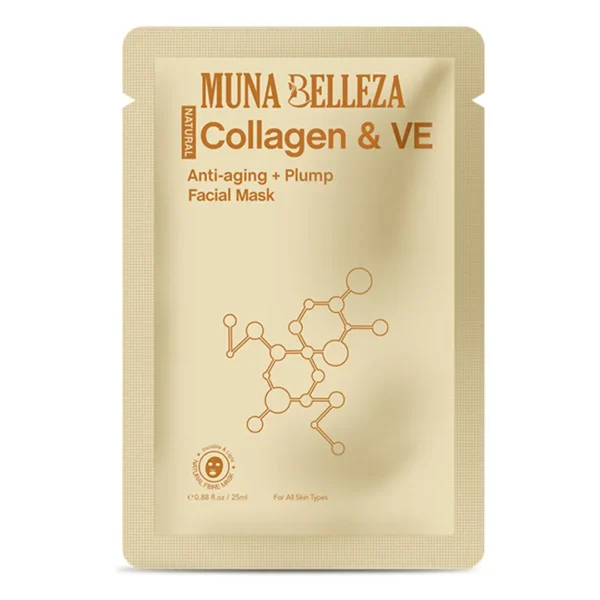 Collagen sheet mask
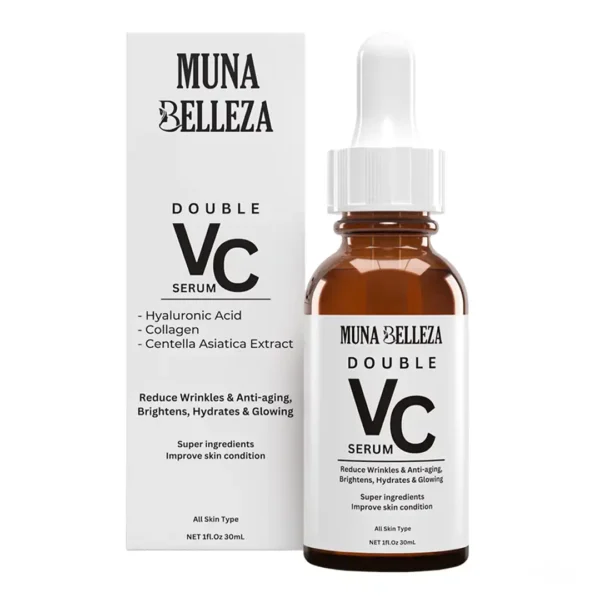 Antioxidant serum
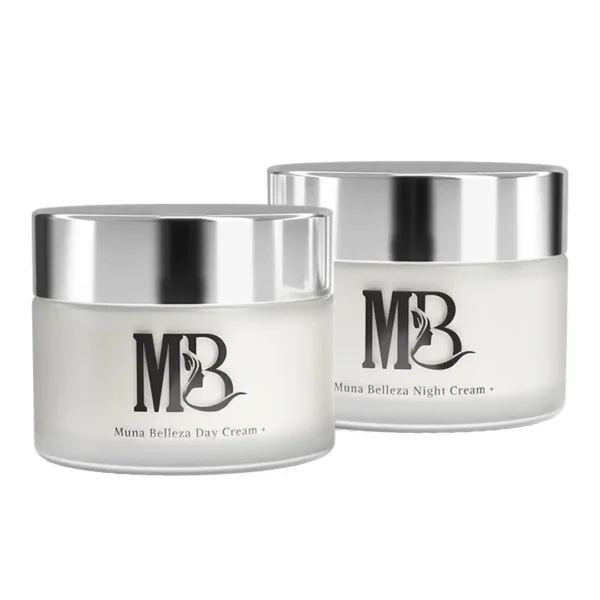 Day and night moisturiser