It always seems to happen at the worst moment: the morning of a wedding, an interview or a family photo. One red bump on the chin, or a crop of small spots on the forehead that weren’t there yesterday. Pimples on face are one of the most searched skin worries in the UAE, and the internet is full of quick fixes, from toothpaste to ice to “kill it in one night” creams. Some help, some leave a mark that lasts longer than the pimple would have.
This guide is about the pimple in front of you: what kind it is, why it came, what to do in the first two days, and when it is not a pimple at all. If breakouts keep coming back week after week, that is acne, and our acne guide covers the longer-term plan. For everyday prevention on oily skin, a gentle face wash for oily skin used morning and night is the easiest place to start.
What a pimple is
Every spot starts as a blocked pore. Oil (sebum) and dead skin cells form a plug, and a skin bacterium called Cutibacterium acnes, which lives on everyone’s skin, multiplies in the oily, airless space behind it. Your immune system reacts, and the area becomes red, swollen and sometimes filled with pus. That reaction, not dirt, is what turns a clogged pore into a sore spot.
Most single spots come and go within three to seven days. Deeper ones can last two weeks or more, and the dark or red mark they leave can stay much longer than the spot itself.
Which pimple is it?
The type decides what will help, so look closely in daylight:
- Small white pimples: closed bumps with a white or skin-coloured top (whiteheads). Not painful, often in groups on the forehead or chin.
- Red bump with no head: an inflamed spot that hasn’t come to the surface yet. Tender to touch. Hands off; it often settles by itself.
- Red bump with a yellow-white centre: a pustule, the classic “ready” spot. It usually drains or flattens within a few days.
- Black pimple: usually a blackhead that has become inflamed around the edges, or the dark mark left after a breakout has healed.
- Blind pimple or cyst: a deep, painful lump under the skin with no visible head, often on the jaw or chin. It can last weeks and is the type most likely to scar. Cyst vs pimple comes down to depth: a cyst sits much deeper and needs more than a spot gel.
Bumps that look like pimples but aren’t
If spots don’t behave like normal breakouts, they may be something else, and acne products can make some of these worse:
- Milia: tiny, hard, pearly-white dots, often around the eyes. They are trapped keratin, not oil, and don’t go red or come to a head. Squeezing won’t shift them.
- Fungal folliculitis (often called “fungal acne”): lots of small, itchy bumps of the same size on the forehead, chest or back, often worse in heat and sweat. It is caused by yeast, so it needs different treatment.
- Perioral dermatitis: small red bumps and flaking around the mouth, nose or eyes, often after using strong creams or steroid creams on the face.
- Rosacea: redness and small bumps on the cheeks and nose, often with flushing from heat, spicy food or hot drinks, but no blackheads.
- Ingrown hairs and razor bumps: bumps in the beard area or upper lip after shaving or threading.
- Allergy or irritation bumps: an itchy rash of small bumps that appears after a new product, often with stinging.
If your “pimples” itch, cluster in identical small dots, or don’t respond to normal care within a few weeks, ask a dermatologist or pharmacist to take a look.
Why pimples come on the face
- Hormones. Androgens increase oil production, which is why breakouts spike in the teenage years, before periods and with conditions such as PCOS. Pimples along the jaw and chin in adult women are often hormonal.
- Heat, sweat and humidity. In the UAE summer, sweat mixes with sunscreen and oil and sits on the skin for hours.
- Friction and pressure. Phones on the cheek, helmets and caps on the forehead, and resting the chin on a hand.
- Products and hair care. Heavy creams, some hair oils and styling products along the hairline.
- Stress and poor sleep. They don’t cause spots on their own, but they can trigger flare-ups in skin that is already prone to them.
- Some medicines and supplements, such as steroids, some hormone treatments and high-dose vitamin B12. Don’t stop a prescribed medicine yourself; ask your doctor.
“Face mapping” charts that link each area of the face to a body organ have no scientific basis. The position of a spot usually points to oil glands, friction or products used on that area, not to your liver or stomach.
What to do when a pimple appears
- Leave it alone. The less you touch it, the faster it heals and the smaller the mark.
- Calm a deep, sore bump with cold. Wrap an ice cube in a clean cloth and hold it on the spot for a minute, a few times a day. It eases swelling and pain.
- Use a spot treatment once it is inflamed. A thin layer of benzoyl peroxide 2.5% gel from the pharmacy works on red pimples; it can bleach towels and pillowcases. Salicylic acid suits whiteheads and small clogged bumps, and our salicylic acid guide explains how to use it.
- Cover a pimple with a head. A hydrocolloid pimple patch absorbs fluid, protects the spot from fingers and sun, and is easy to wear overnight.
- Keep the rest of the routine gentle. Don’t add scrubs, strong masks or new products while the spot heals; irritation makes it redder.
Once a spot has gone, a flat pink or brown mark may stay for weeks. Sunscreen and patience fade most of them; our guide on acne marks vs acne scars explains what to do if they don’t.
Should you pop it?
Dermatologists say no, and the reason is practical: squeezing pushes part of the infected material deeper into the skin, which makes the spot bigger, slower to heal and more likely to leave a dark mark or scar. Nails and fingers also add new bacteria.
If a pimple has a clear white head and is already about to open, a warm, clean compress for a few minutes will often let it drain by itself without pressure. Never squeeze a red bump with no head or a deep cyst; those need a doctor, who can drain or inject them safely.
Pimple hacks: what helps and what backfires
- Ice: helps. It reduces swelling and pain for deep pimples.
- Hydrocolloid patches: help, mainly for pimples with a head, and stop you picking.
- Tea tree oil: may help mild pimples when it is diluted or in a finished product. Neat oil can burn and cause a rash.
- Honey: soothing, and a dab on a spot is harmless, but evidence for treating pimples is weak.
- Toothpaste: backfires. It dries the surface and often leaves a red, irritated patch around the spot.
- Lemon juice, garlic, alcohol or perfume: backfire. They burn the skin and can leave dark marks, especially in the sun.
- Redness-relief eye drops: can make a red spot look paler for a few hours, but they don’t treat it. Use make-up instead if you need to hide it.
Food, drinks and pimples
Diet is not the main cause of breakouts, but research suggests it plays a part for some people:
- Sugary, high-GI foods: sweets, white bread and sugary drinks are linked to more breakouts in several studies.
- Milk: some studies link skimmed milk and whey protein shakes to acne. If your pimples flared after starting protein shakes, it is worth a trial without them.
- Chocolate: the evidence is mixed. If it is linked, it is more likely the sugar and milk than the cocoa.
- Caffeine: coffee itself is not shown to cause acne, but sweet, milky café drinks may count as sugar and dairy.
- Dehydration: drinking more water won’t clear spots, though it helps skin feel less tight.
If you suspect a food, cut it out for six to eight weeks and watch your skin; changes take that long to show.
When to see a doctor
- Deep, painful lumps or cysts, or pimples that leave scars.
- Pimples that don’t improve after two to three months of steady care.
- Sudden breakouts in adulthood with irregular periods, extra hair growth or hair thinning (possible hormonal cause such as PCOS).
- A breakout after starting a new medicine.
- Bumps that itch, spread or don’t look like normal pimples.
A dermatologist can prescribe stronger treatments, such as retinoids, antibiotics or hormonal treatments, that you can’t buy over the counter.
Common questions
Why do I get small pimples on my forehead?
Usually from clogged pores: hair products, sweat under caps or headscarves, and fringe or hair touching the skin. Washing hair regularly, keeping styling products off the forehead and cleansing after sweating often helps. Our guide to clogged pores explains how to keep them clear.
Can vitamin C or other skincare cause pimples?
Vitamin C itself doesn’t usually cause pimples, but a heavy or oily formula can clog pores, and any product that irritates your skin can bring out spots. Introduce one product at a time so you can tell what your skin likes.
What is the best medicine for pimples?
For occasional red pimples, benzoyl peroxide from the pharmacy is the usual first choice. For whiteheads and blackheads, salicylic acid. For regular breakouts, a dermatologist may suggest a retinoid such as adapalene or other prescription options. Ask a pharmacist if you are pregnant or using other treatments.
Does niacinamide help pimples?
It can calm redness and reduce oiliness, so it is a useful support, but it is not a spot treatment. Read more in our niacinamide guide.
Want an easier routine for breakout-prone skin? Our face wash and salicylic acid mask are made in Korea, with free delivery to every emirate and cash on delivery available.
Learn more about our face wash and cleansers.
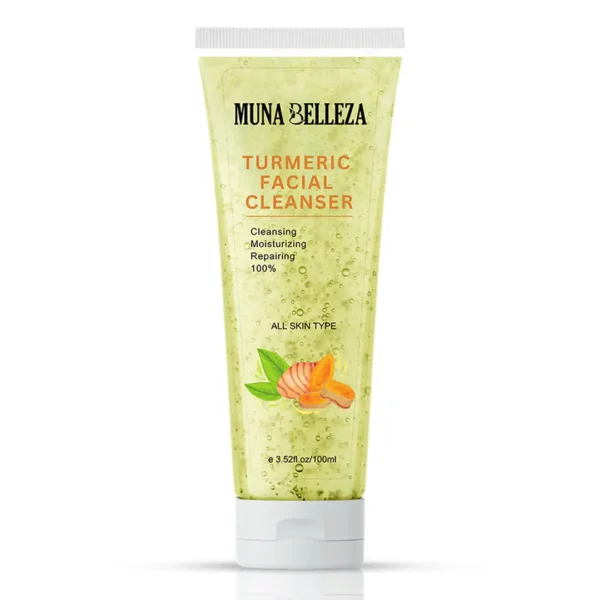 Daily wash for breakouts
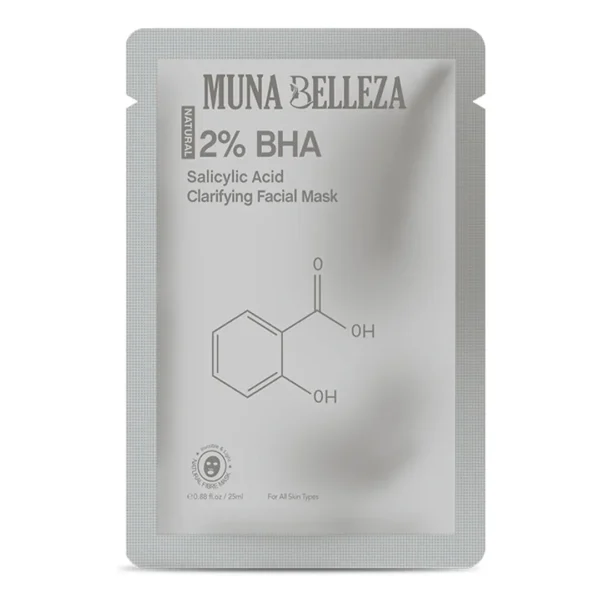 Weekly BHA mask
 Soothing sheet mask