If you have looked at a serum shelf in any UAE pharmacy lately, you have seen it everywhere: niacinamide, in bold on the front of the bottle, often with a big percentage next to it. It is sold for oily skin, dry skin, acne, dark spots, pores and redness, sometimes all on the same label. An ingredient that claims to do everything usually deserves some suspicion. So what does niacinamide actually do, and what is just marketing?
The honest answer is that it does more than most skincare ingredients, but slowly, and the strength on the label matters less than people think. Below we cover the real niacinamide benefits, how to use it, what to pair it with and what to expect, based on published studies rather than packaging. If you would rather browse first, here are our face products with niacinamide.
What is niacinamide?
Niacinamide is a form of vitamin B3. Your body uses it every day to make energy inside cells, and you get it from food such as fish, eggs, meat, nuts and whole grains. In skincare it is applied directly to the skin, where it helps with several processes at once: building the protective barrier, controlling oil and limiting how much pigment reaches the surface.
Is niacinamide an acid? No. Despite the name, it is not an exfoliating acid and does not peel the skin. It is a vitamin that dissolves in water, which is why most products with it are light, watery serums or gel creams. It works best in formulas around a skin-friendly pH of 5 to 7.
Niacinamide, nicotinamide and niacin: niacinamide and nicotinamide are two names for exactly the same molecule. Niacin (nicotinic acid) is a different form of vitamin B3. Taken as a supplement, niacin can cause strong flushing of the face; the amide form usually doesn’t.
Niacinamide benefits for skin
This is what the research supports, roughly from strongest evidence to weakest:
- Fades dark spots and evens tone. In a well-known study, a 5% cream reduced the look of hyperpigmentation after four to eight weeks by slowing the transfer of pigment to the skin surface. It does not change your natural skin colour. Our guide to hyperpigmentation explains how it fits with sun protection.
- Strengthens the skin barrier. It helps skin make more ceramides, the fats that hold the outer layer together. A stronger barrier loses less water, which helps skin dried out by air conditioning feel less tight.
- Controls oil. Studies at 2% showed lower oil production over a few weeks, so the T-zone looks less shiny by midday.
- Makes pores look smaller. It can’t change pore size, but less oil and better texture make them less visible.
- Calms redness. It has anti-inflammatory effects, which is why it shows up in products for sensitive and blemish-prone skin.
- Supports smoother-looking skin. Some studies show gradual improvement in fine lines and texture over three months. Helpful, but modest compared with retinoids.
Does niacinamide moisturize skin? Not directly, like glycerin or hyaluronic acid does. It helps skin hold on to its own moisture by repairing the barrier, so it works best layered under a moisturiser.
Is niacinamide good for acne?
Yes, as a support ingredient. An older study found a 4% gel worked about as well as a common prescription antibiotic gel for mild to moderate inflammatory acne. It calms red spots, reduces oil and helps fade the marks they leave behind.
What it won’t do is unclog pores the way an exfoliant does. For blackheads and clogged pores, pair it with salicylic acid. For more on breakouts and a full routine, see our acne guide. Severe, painful or scarring acne needs a doctor.
5%, 10% or 20%: which strength?
Most of the research used 2% to 5%. That range is enough for dark spots, oil and the barrier, and it is gentle on most skin. Many popular serums now sell 10%, and some go up to 20%. Higher numbers look impressive, but there is little evidence they work better, and they are more likely to cause stinging or redness, especially on sensitive skin.
A well-made product with a modest amount of niacinamide, used every day, will do more than a high-strength one you give up on after a week because it stings. Many products, including ours, list it in the ingredients without stating a percentage; that is normal and not a sign of a weak formula.
How and when to use niacinamide
- Cleanse with a gentle face wash and pat skin dry.
- Apply the serum: 2 to 3 drops pressed over the whole face, or use a cream that already contains it.
- Moisturise to seal it in.
- In the morning, finish with sunscreen. It doesn’t make skin sensitive to the sun, but sunscreen is what stops dark spots coming back.
Can you use niacinamide in the morning? Yes. It is stable in light and air, so it works morning, night or both. Twice a day is common; once a day is enough if your skin is sensitive. Expect to see a difference in oil and redness in two to four weeks, and in dark spots after eight to twelve.
Our dark spot correcting serum pairs it with arbutin, which slows pigment production at a different step, so the two work as a team on spots and acne marks. If you prefer fewer steps, our day and night cream has it in both creams.
Using niacinamide with AHA, glycolic and salicylic acid
It works well alongside exfoliating acids, and the combination is useful: the acid clears dead cells and pores, the vitamin calms and repairs.
- Can you use niacinamide after glycolic acid or another AHA? Yes. Apply the acid first, wait a few minutes, then the serum. If your skin stings, use the acid at night and the serum in the morning instead.
- Can niacinamide be used with salicylic acid? Yes. This is a popular pair for oily, blackhead-prone skin. Start the acid two or three times a week, not daily.
- Vitamin C: the old warning that the two cancel each other out came from lab tests at high heat. Modern formulas can be used together; if your skin tingles, split them between morning and night. Our guide explains how a vitamin C serum works.
Side effects: stinging, breakouts and flushing
It is one of the best-tolerated active ingredients, but a few people do react:
- Stinging or redness: most often with 10% and higher, or on a damaged barrier. Switch to a lower strength or use it every other day.
- Breakouts: it doesn’t exfoliate, so it doesn’t cause a true “purge”. New spots after starting a product usually mean the formula (often a heavy base or fragrance) doesn’t suit you.
- Flushing: rare. It happens more with niacin supplements than with skincare.
Patch test any new product on the side of your neck for two or three days first, especially if it contains fragrance.
How to choose a niacinamide product
When people look for the best niacinamide serum, they often just compare percentages. These points matter more:
- Your main goal. For dark spots, look for formulas that pair it with arbutin, alpha arbutin, tranexamic acid or vitamin C. For oil and pores, a light gel serum. For dry or sensitive skin, a cream with soothing extras like panthenol.
- Texture for the climate. In UAE heat, a watery serum or light gel sits better under sunscreen than a rich cream.
- Leave-on beats rinse-off. A face wash is rinsed away in seconds; serums, creams and sheet masks stay on long enough to work.
- Fragrance. If your skin is reactive, choose fragrance-free.
For a weekly extra, our coffee face mask lists it high in the ingredients, for a quick fresh-looking glow before an event.
Common questions
What does niacinamide do to your skin in the first weeks?
Usually, skin feels calmer and less oily within two to four weeks. Changes in dark spots and tone take two to three months of daily use.
Is niacinamide good for you to use every day?
Yes. It is gentle enough for daily use, morning and night, for most skin types, including sensitive skin at lower strengths.
Which is better, vitamin C or niacinamide?
They do different jobs. Vitamin C is an antioxidant that brightens and protects against sun-related damage; niacinamide repairs the barrier, controls oil and fades spots. Many people use both.
Can I use niacinamide while pregnant?
Applied to the skin, it is generally considered safe in pregnancy, unlike retinoids. Still, check any new skincare with your doctor if you are pregnant or breastfeeding.
Does niacinamide help blackheads?
It reduces oil, which helps a little, but it doesn’t clear clogged pores. Salicylic acid is the better tool for blackheads.
Ready to try it? Our niacinamide products are made in Korea, with free delivery to every emirate and cash on delivery available.
Learn more about niacinamide products.
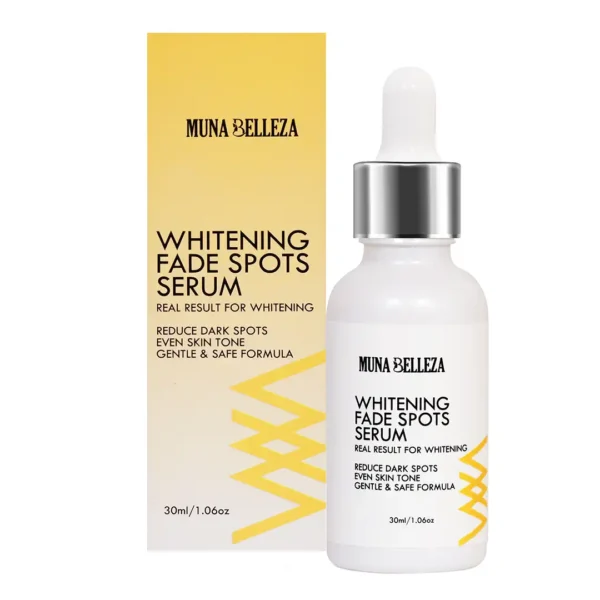 Dark spot correcting serum
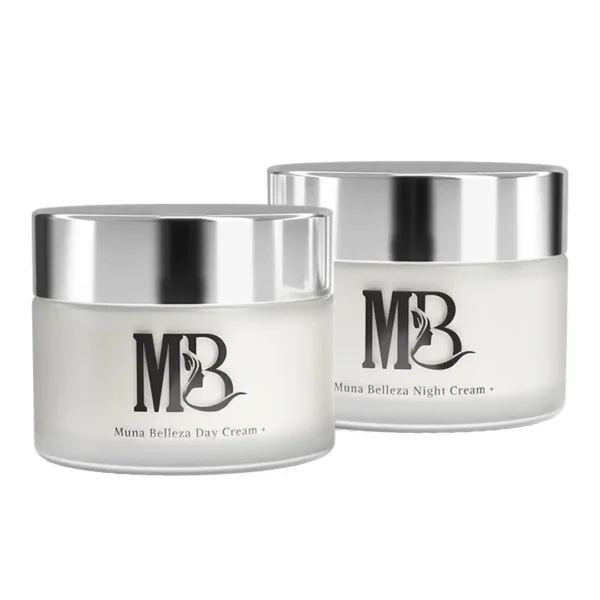 Day and night cream
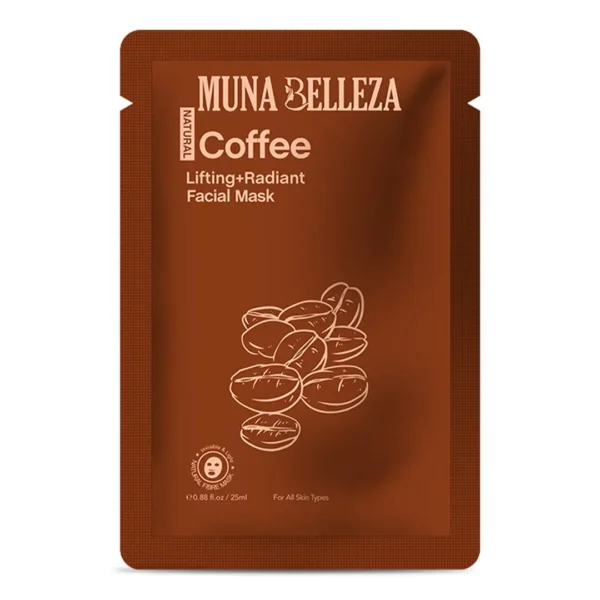 Coffee face mask