Almost every brand now sells a hyaluronic acid serum, and they all promise the same thing: plump, dewy, hydrated skin. Yet the best hyaluronic acid serum for you isn’t the one with the biggest number on the label. It’s the one with the right type of hyaluronic acid, sensible partners in the formula, and a texture you’ll happily use twice a day.
This buying guide walks you through what to check before you spend, how to choose by skin type, and how to use hyaluronic acid properly in dry, air-conditioned UAE weather. You can also browse our hyaluronic acid products in Dubai and across the UAE.
What a hyaluronic acid serum can (and can’t) do
Hyaluronic acid is a sugar molecule your skin already makes. In skincare it works as a humectant: it holds water in the top layers of the skin, which makes the surface look smoother and fine dehydration lines less visible. Realistic results look like this:
- Within minutes: skin feels softer and looks more plump and dewy.
- After 2–4 weeks of daily use: less tightness and flakiness, and make-up sits better.
- What it won’t do: fill deep wrinkles, lift sagging skin, fade dark spots or clear acne. Most “hyaluronic acid before and after” photos show hydration, which fades if you stop.
Injected fillers are different: they use cross-linked hyaluronic acid gel placed under the skin by a doctor. A serum can’t copy that effect.
Step 1: Check the type and molecular weight
- Sodium hyaluronate: the sodium salt of hyaluronic acid. It’s the most common form on ingredient lists, dissolves well and is perfectly good. Seeing it instead of “hyaluronic acid” isn’t a downgrade.
- High molecular weight: stays on the surface, forms a light moisture film and gives instant smoothness.
- Low molecular weight or hydrolysed hyaluronic acid: smaller pieces that sit a little deeper in the top layer. Studies suggest lower weights may improve hydration and elasticity more over time.
- Multi-weight blends: combine both, which is why many of the best formulas list two or three types, sometimes called a “hyaluronic acid complex”.
- Cross-linked hyaluronic acid: longer-lasting on the surface in skincare, and the main form used in fillers.
Step 2: Don’t chase a high percentage
Hyaluronic acid works at very low levels. Most effective serums contain well under 2% pure hyaluronic acid. When you see “hyaluronic acid 2%” or “5%” on a label, it often refers to a ready-made solution that’s mostly water, not 2% or 5% of pure powder. Very concentrated serums can feel sticky and, in dry air, may even leave skin feeling tighter. Choose by the formula and how it feels, not the number.
Step 3: Look at what else is in the bottle
Hyaluronic acid works best with friends. Good partners include glycerin and panthenol (more hydration), ceramides and squalane (to seal moisture in), niacinamide (barrier and tone) and soothing extracts like centella. Read our panthenol guide for more on that pairing.
Ceramide vs hyaluronic acid isn’t an either-or: hyaluronic acid adds water, ceramides help keep it in. Dry skin usually benefits from both. Try to avoid serums with a lot of alcohol or strong fragrance, which can undo the comfort.
Best hyaluronic acid serum for your skin type
- Oily skin: a light, watery serum, often all you need under sunscreen in summer. Pair it with a gel moisturiser; see our guide to the best moisturizer for oily skin.
- Acne-prone skin: hyaluronic acid doesn’t clog pores or treat acne, but it calms the dryness from salicylic acid, benzoyl peroxide or retinoids.
- Dry skin: choose a serum with extra humectants and follow with a richer cream, or pick the best hyaluronic acid cream or moisturiser if you prefer one step.
- Sensitive skin: keep the ingredient list short and fragrance-free. Start once a day.
- Korean serums: often combine several molecular weights with centella or panthenol in a very light texture, which suits the UAE climate well.
A facial cleanser with hyaluronic acid makes cleansing feel less stripping, but it’s rinsed off, so it doesn’t replace a serum.
How to use it in the UAE climate
Here’s the step most people miss: a humectant pulls water from wherever it can find it. In humid air that’s the air itself; in a dry, air-conditioned office it can be the deeper layers of your own skin. So:
- Apply 2–3 drops to slightly damp skin after cleansing (or after a toner).
- Press it in gently.
- Seal it straight away with a moisturiser, then sunscreen in the morning.
The best time to apply hyaluronic acid is morning and night. Most serums are close to the skin’s natural pH, so there’s no need to wait between steps.
After microneedling or a “dermapen” facial, clinics sometimes apply a sterile hyaluronic acid serum during the treatment. At home, only use products your clinic approves on freshly treated skin.
Pairing: retinol, BHA, vitamin C and acids
- Hyaluronic acid vs retinol: they do different jobs. Retinol works on lines and texture over months; hyaluronic acid hydrates now. Use them together.
- Hyaluronic acid or retinol first? Retinol on dry skin first, then hyaluronic acid and moisturiser. If retinol irritates you, apply hyaluronic acid first as a buffer.
- Hyaluronic acid and salicylic acid (BHA) together: a great match. Apply the BHA first, then hyaluronic acid to offset dryness. See our salicylic acid guide.
- Hyaluronic acid and lactic acid: lactic acid exfoliates gently and also hydrates; follow it with hyaluronic acid.
- With vitamin C: vitamin C first, then hyaluronic acid.
Our picks
We don’t sell a stand-alone hyaluronic acid serum, but both of our serums use hyaluronic acid as a key supporting ingredient, so you get hydration and a treatment in one step.
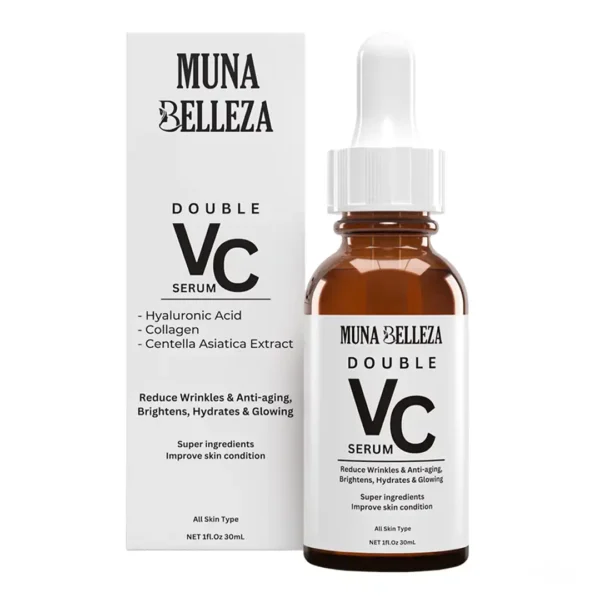
For glow and morning protection: Double Vitamin C Serum
Pure ascorbic acid at an everyday strength with hyaluronic acid, collagen, centella, aloe and beta-glucan, and no added fragrance. Use it in the morning before moisturiser and sunscreen. See our vitamin C serum.
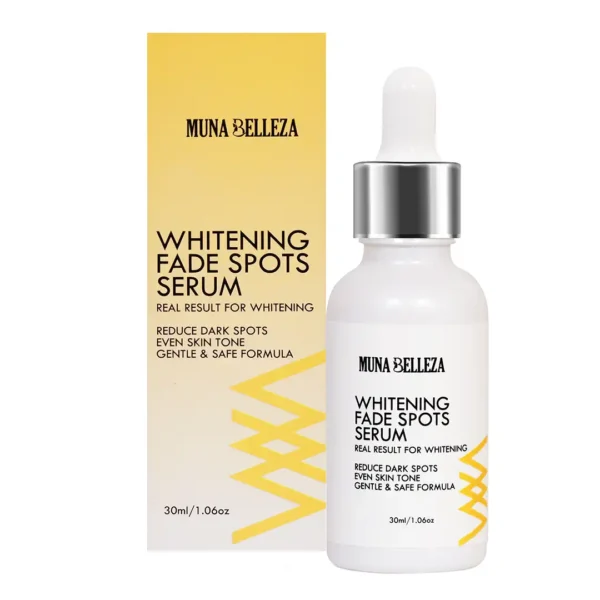
For dark spots and uneven tone: Dark Spot Correcting Serum
Niacinamide and alpha arbutin with hyaluronic acid, a gentle evening serum for marks and dullness. See our dark spot correcting serum.
Common questions
Are there hyaluronic acid serum side effects?
They’re rare. Some people feel tingling or slight redness, especially with very low molecular weight types or heavily fragranced formulas. Talk of hyaluronic acid “dangers” usually relates to injected fillers, not serums.
Can I use hyaluronic acid every day?
Yes, morning and night, on all skin types.
What does hyaluronic acid do after a facial?
It soothes and rehydrates skin that may feel tight after exfoliation or extraction.
What about hyaluronic acid for joints, eyes or bones?
Those are medical uses with injections, eye drops or supplements, and a different topic from skincare. Ask your doctor about them.
Ready for skin that feels comfortable all day? Our serums are made in Korea, with free delivery to every emirate and cash on delivery available.
Learn more about our face serums.
 Vitamin C serum
 Dark spot correcting serum
 Day and night cream