Tight after washing, flaky around the nose, make-up that clings to rough patches: dry skin is surprisingly common in the UAE, even with all the heat and humidity outside. The reason is simple. Most of the day is spent in cold, dry air-conditioning, and long hot showers and strong cleansers strip what little oil the skin has left.
This guide explains what dry skin really is, what causes it, and how to treat dry skin on the face so it feels comfortable again. A gentle cleanser and a good face cream for dry skin do most of the work; the rest is about small daily habits.
What is dry skin?
Healthy skin has a protective outer layer, the skin barrier, made of skin cells held together by natural fats such as ceramides. It keeps water in and irritants out. In dry skin this barrier makes too little oil or has been damaged, so water escapes and the surface turns rough and tight.
- Dry skin is a skin type: it lacks oil, often all over, and pores look small.
- Dehydrated skin is a temporary condition: it lacks water and can happen to any skin type, even oily skin.
- Normal skin feels comfortable a few hours after washing, with little shine and no flaking.
Both dry and dehydrated skin improve with the same care: gentle cleansing, water-binding ingredients and something to seal them in.
Signs and symptoms of dry skin
- Tightness, especially after washing.
- Rough texture, flaking or fine scaling.
- Dull, ashy look, more noticeable on darker skin.
- Itching or stinging when you apply products.
- Fine lines that look deeper, especially around the eyes.
- In severe cases, redness, cracks or small bleeding splits.
What causes dry skin in the UAE
- Air-conditioning: cooled indoor air is very dry, at home, in the office, in the car and on flights.
- Hot water: long, hot showers wash away the skin’s natural oils.
- Harsh cleansers: foaming washes with strong sulphates, soap bars and alcohol toners.
- Too many actives: acids, retinoids and acne treatments can dry the skin if overused.
- Sun and wind: beach and desert days, and the cooler, windier winter months.
- Age and hormones: oil production falls with age and around menopause.
- Health conditions and medicines: eczema, psoriasis, an underactive thyroid, diabetes, and some medicines such as isotretinoin and diuretics.
How to treat dry skin on face
- Wash with lukewarm water and a gentle cleanser. Use a creamy or low-foam wash once or twice a day; in the morning, water alone may be enough. Our amino acid cleanser cleans without leaving skin tight.
- Moisturise within three minutes of washing, while skin is still slightly damp. This traps the water in.
- Layer if needed: a hydrating serum first, then a cream. Very dry skin can add a few drops of face oil or a thin layer of balm at night.
- Exfoliate gently, not often: once a week with a mild lactic acid or PHA product. Skip scrubs and strong acids while skin is flaky.
- Wear sunscreen every day. Sun damage weakens the barrier further; cream sunscreens suit dry skin best.
- Protect the air around you: a humidifier in the bedroom, and turn the AC down a little at night.
For where each step fits morning and night, see our skin care routine guide.
Ingredients that repair dry skin
A good moisturiser for dry skin combines three kinds of ingredients:
- Humectants that pull water into the skin: glycerin, hyaluronic acid, panthenol, urea and aloe vera.
- Emollients that smooth and fill gaps between cells: ceramides, squalane, shea butter and plant oils.
- Occlusives that seal water in: petrolatum, dimethicone and beeswax. Best at night or on very dry patches.
Look for fragrance-free formulas if your skin also stings or turns red. Our day and night cream set includes a night cream with argan oil, hyaluronic acid, panthenol and vitamin E; the day cream has no SPF, so add sunscreen on top.
Home remedies: what helps and what doesn’t
- Helpful: honey as a short mask, colloidal oatmeal, plain aloe vera gel, and sunflower or jojoba oil pressed over moisturiser.
- Use with care: coconut oil can feel lovely on the body but clogs pores on the face for some people.
- Avoid: lemon, baking soda, toothpaste and undiluted essential oils, including tea tree oil, which dries and irritates. Tea tree is better suited to oily, spot-prone skin.
- Hydrating sheet masks once or twice a week give a quick comfort boost. Our aloe vera mask is soothing and hydrating.
Drinking enough water and eating oily fish, nuts and seeds supports the skin, but no vitamin or supplement fixes dry skin on its own. Topical care makes the bigger difference.
Dry patches, white spots and flaky areas
- Around the nose and eyebrows: greasy-looking yellow flakes may be seborrheic dermatitis, which needs an anti-fungal or medicated cream rather than more moisturiser.
- On the forehead: often caused by harsh shampoos or hair products rinsing over the face.
- Dry white spots on the cheeks, common in children and teens, may be pityriasis alba, a mild form of eczema that fades with moisturiser and sunscreen.
- White or light patches that spread on the chest, back or neck may be a yeast infection called tinea versicolor; a pharmacist or doctor can confirm and treat it.
When to see a doctor
- Skin that cracks, bleeds or keeps you awake with itching.
- Red, scaly patches that don’t improve after two weeks of moisturising.
- Dryness all over the body with tiredness, weight change or feeling cold.
- Signs of infection: oozing, crusting, swelling or pain.
Common questions
How do I get rid of extremely dry skin fast?
Stop anything harsh for a week: no acids, retinoids or scrubs. Cleanse gently, apply a thick cream on damp skin morning and night, and seal very dry areas with a thin layer of petroleum jelly at night. Most skin feels better within a few days.
Which lotion is best for dry skin?
For the face, a cream usually works better than a light lotion. Choose one with ceramides, glycerin or hyaluronic acid and shea butter or squalane, without fragrance or alcohol high on the ingredient list.
Why is my skin drier in winter in the UAE?
The cooler months bring lower humidity, wind and more time outdoors, and many people take hotter showers. Switch to a richer night cream from November to March.
Do men get dry skin too?
Yes, and shaving makes it worse. Use a shaving cream rather than foam or soap, shave with a sharp blade, and moisturise straight after.
Ready to give your skin some comfort? Our gentle cleanser, creams and sheet masks are made in Korea, with free delivery to every emirate and cash on delivery available.
Learn more about our face wash and cleansers.
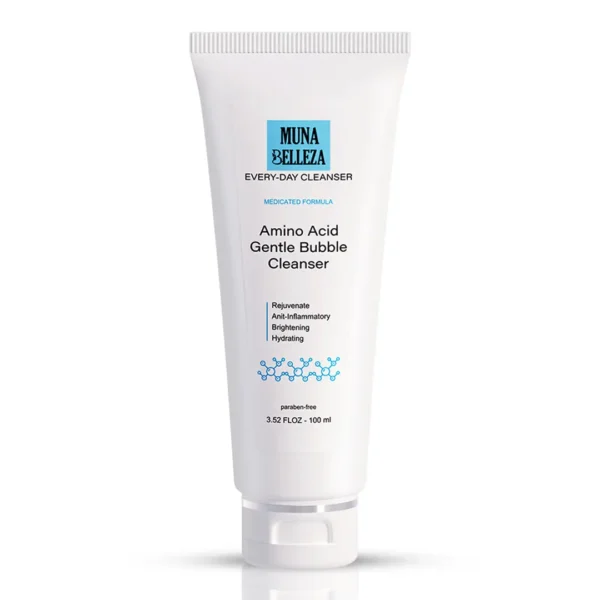 Gentle cleanser for dry skin
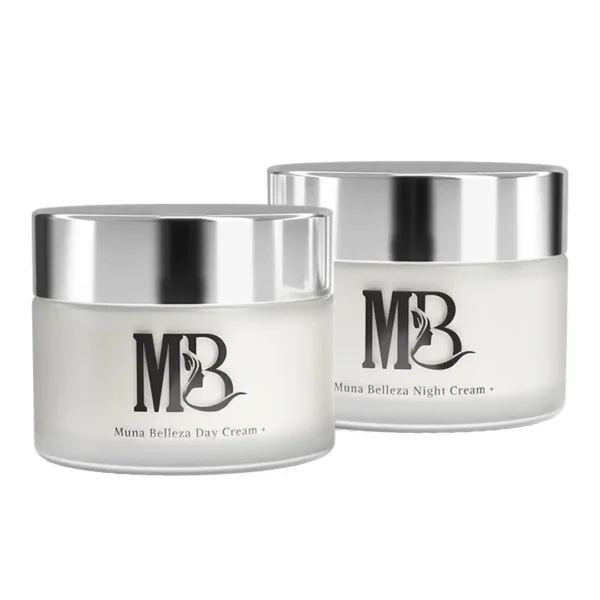 Day and night cream
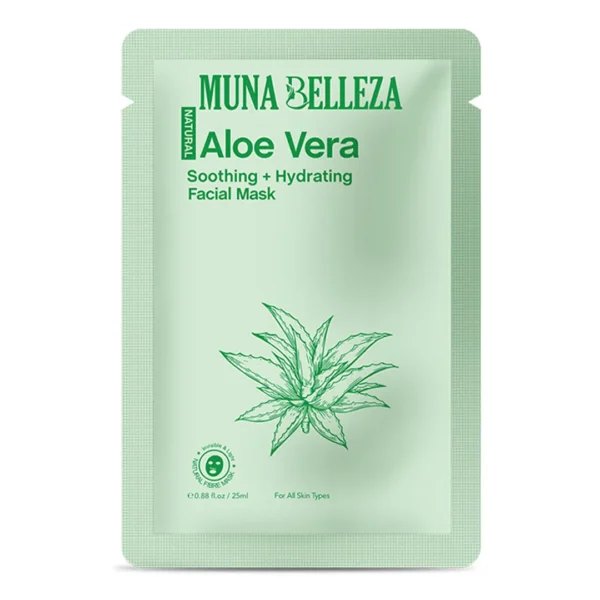 Hydrating aloe mask