Flip over almost any soothing cream, after-sun lotion or gentle cleanser and there’s a good chance you’ll see allantoin on the label. It has been used on skin for well over half a century, and it’s one of those quiet ingredients that rarely gets the spotlight but does a lot of the comfort work.
So what is it really doing in your skincare, and is it worth caring about? In short, it softens rough patches and helps calm skin that feels tight, chapped or irritated. Below we cover its origins, the research behind it, how safe it is and who benefits most. If your skin reacts easily, it’s one of the ingredients worth looking for in a moisturizer for sensitive skin.
What is allantoin?
Allantoin is a small, white, odourless compound. It occurs naturally in plants such as comfrey root and chamomile, and many animals produce it when they break down uric acid. Comfrey was used on cuts and bruises long before anyone knew why it worked, and allantoin is thought to be part of the reason.
The version in modern cosmetics, however, is almost always made in a lab from urea and glyoxylic acid. That’s a good thing: it’s pure and consistent, and it avoids other compounds in comfrey that aren’t safe to put on skin regularly. Lab-made and plant-sourced versions are the same molecule.
What does allantoin do for skin?
- Softens and smooths. It helps loosen the bonds that hold dry, dead surface cells together, so flaky or rough areas feel smoother. This is a very mild effect, nothing like an acid peel.
- Protects irritated skin. In the US, this ingredient at 0.5–2% is one of the approved active ingredients in over-the-counter skin protectants for chapped, chafed or wind-burned skin.
- Comforts and calms. You’ll see it in formulas made for skin that feels stressed after shaving, sun, harsh cleansers or strong actives.
- Supports repair. In an animal study, wounds treated with a 5% allantoin lotion showed a calmer inflammatory response and faster rebuilding of new tissue under the microscope, though the size of the wounds didn’t shrink faster than in the comparison groups. Human evidence for this effect in everyday cosmetics is limited.
Where it won’t help: it doesn’t lighten skin or fade pigmentation, and it won’t shrink pores or treat acne on its own. Any product promising that from this one ingredient is overselling it.
Is allantoin safe?
Very much so. It ranks among the best-studied and least irritating ingredients in personal care. The independent Cosmetic Ingredient Review panel assessed it and found it safe at the levels used in cosmetics, which go up to about 2%. It’s used in baby products, lip balms and toothpaste for the same reason.
Allergic reactions to it are very rare. If a cream containing it makes your skin sting or itch, the culprit is far more likely to be fragrance, essential oils, alcohol or an exfoliating acid elsewhere in the formula. Patch testing a new product on a small area for two or three days is still a sensible habit.
Who gets the most from it
- Dry, flaky or rough skin, including cheeks dried out by constant AC.
- Sensitive and easily irritated skin that needs gentle formulas.
- Anyone using retinol or exfoliating acids who wants a buffer against dryness and peeling.
- Men who shave, as it helps calm razor-irritated skin.
- Breakout-prone and oily complexions as well, since it dissolves in water and has no reputation for causing spots.
Getting the best from it
- Choose leave-on products for lasting comfort. In a face wash it mainly helps your skin feel less stripped. In a serum or cream it stays on long enough to soften and protect.
- Use it daily. It’s gentle enough for morning and night, around the eyes and on freshly shaved skin.
- Pair it with hydrators. It works nicely alongside panthenol, hyaluronic acid and ceramides, and doesn’t clash with vitamin C, niacinamide or retinol.
- Protect it by day. Add SPF every morning: calmer skin is still sun-sensitive skin, especially in the UAE.
It often works as a team with panthenol and cica, two other soothing favourites in Korean skincare.
Allantoin in our formulas
- Dark Spot Correcting Serum: it sits mid-list next to niacinamide, arbutin and panthenol, helping keep a brightening serum comfortable for daily use. Contains fragrance.
- Day and Night Cream Set: it’s part of the night formula, together with hyaluronic acid and argan oil, so skin gets its comfort boost while you sleep. The day cream doesn’t contain it. The night cream also contains fragrance.
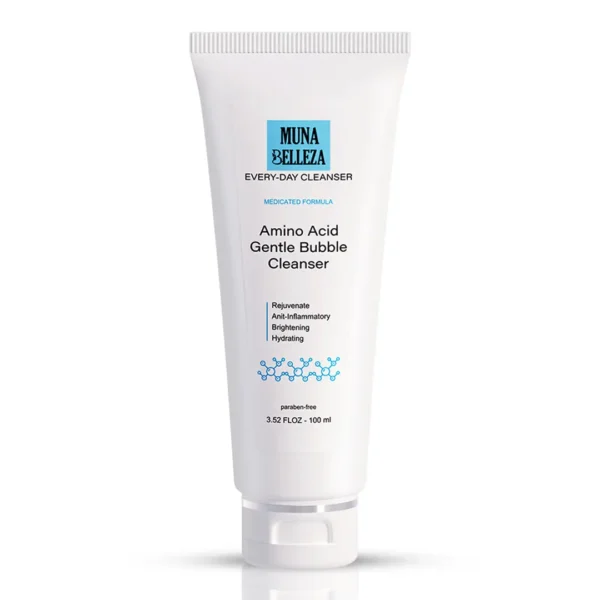
- Amino Acid Gentle Bubble Cleanser: a fragrance-free cleanser where it works with honey extract to help skin feel soft rather than tight after washing.
You’ll also find smaller amounts in our Korean sheet masks and the Turmeric Face Wash. If you specifically want an allantoin cream, browse our moisturizers and check the ingredient lists on each product page.
Quick answers
Does allantoin lighten skin?
No. It can make skin look smoother and calmer, which helps it look more even, but it doesn’t reduce melanin or fade dark spots.
Can I use allantoin if I get breakouts?
Yes, it’s a safe pick. It won’t clear spots, but it can soothe skin that’s dry or irritated from acne treatments, and it isn’t known to clog pores.
Can allantoin heal scars?
There’s no good evidence it fades established scars. It’s used in some scar gels alongside other ingredients, but on its own its job is soothing and softening.
Is allantoin safe during pregnancy?
It’s considered one of the gentlest cosmetic ingredients, but if you’re pregnant or breastfeeding, ask your doctor before adding new products.
Is allantoin the same as comfrey extract?
No. Comfrey contains allantoin plus other compounds. Cosmetic allantoin is the single, purified molecule.
Every order ships free across the UAE, with card, Apple Pay or cash on delivery.
Explore our full face serum collection.
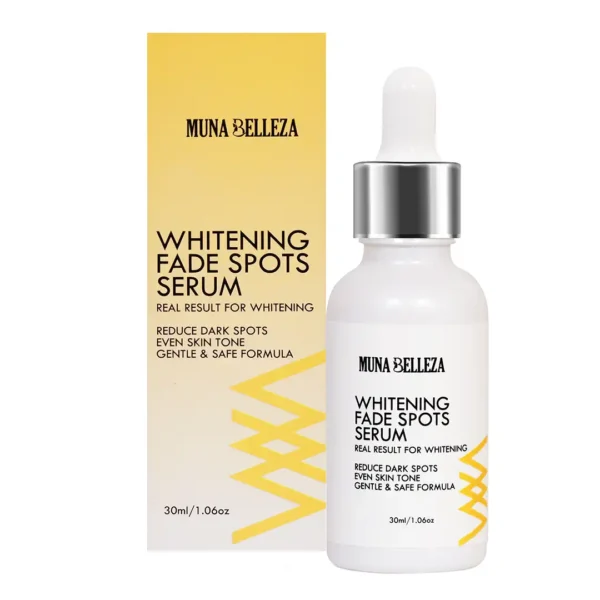 Dark spot serum
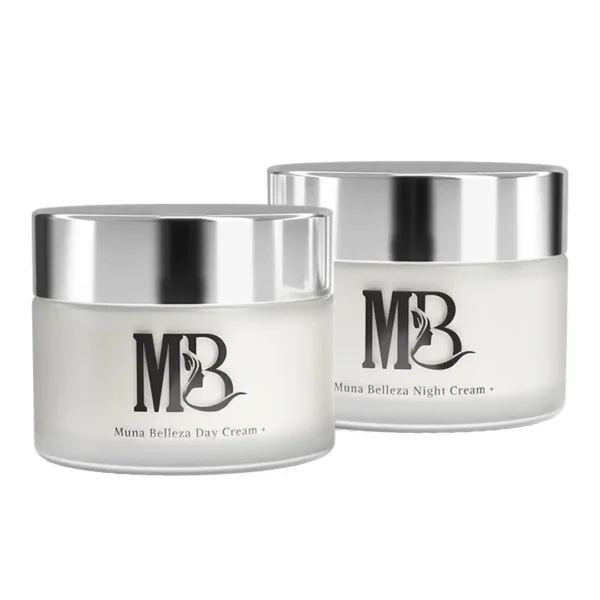 Day and night cream
 Gentle cleanser