Tea tree oil is one of the few natural ingredients with real studies behind it for spots. That’s why tea tree oil for acne is such a common search, and why you’ll find it in face washes, spot gels and sheet masks across the UAE. Used the right way, it can calm pimples gently. Used the wrong way, neat from a bottle, it can burn the skin and leave marks worse than the spot.
This guide explains what the evidence shows, how to use tea tree safely, which products to choose and how it fits with proven acne treatments. For an easy start, our face wash for oily skin contains tea tree oil in a ready-to-use, balanced formula.
Does tea tree oil work for acne?
For mild to moderate acne, yes, modestly. Tea tree oil comes from the leaves of the Australian Melaleuca alternifolia tree, and its main active, terpinen-4-ol, has antibacterial and anti-inflammatory effects.
- In a classic trial, a 5% tea tree oil gel reduced pimples compared with 5% benzoyl peroxide. It worked more slowly, but caused fewer side effects like dryness and stinging.
- A placebo-controlled study found that 5% tea tree gel clearly reduced both the number and severity of acne spots over 45 days.
So it’s a reasonable option for mild breakouts and for people whose skin can’t tolerate stronger treatments. It isn’t strong enough for deep, painful or widespread acne; see a dermatologist for that.
What tea tree can (and can’t) do
- Can: calm red, inflamed pimples; reduce acne bacteria on the skin; help oily skin feel fresher.
- Can’t: unclog pores the way salicylic acid does, so tea tree oil for pores and blackheads is limited. Pair it with a BHA instead; see our salicylic acid guide.
- Can’t: fade dark marks. There’s no good evidence for tea tree oil for pigmentation, and irritation from strong tea tree can actually cause new dark marks, especially on medium and dark skin.
How to use tea tree oil on face safely
- Never apply it neat. Pure tea tree oil is around 100% strength; studies use about 5%. Undiluted oil can cause burns, rashes and allergic reactions.
- Dilute it if you use pure oil: roughly 1–2 drops in a teaspoon (5 ml) of a light carrier such as aloe vera gel or jojoba oil, or 1 drop per teaspoon of your usual moisturiser for a spot treatment.
- Patch-test: apply the diluted mix to your jaw or behind your ear for 24–48 hours.
- Dab on spots only, once or twice a day, with a clean cotton bud.
- Keep it away from the eyes, and never swallow it; tea tree oil is toxic if swallowed.
- Store it right: tea tree oil oxidises with light, air and heat, and old oxidised oil is more likely to cause allergies. Keep the bottle tightly closed, in a cool, dark cupboard (not a hot car or a sunny bathroom shelf) and replace it after about a year.
Choosing the best tea tree oil for acne
For most people, a ready-made product is easier and safer than mixing your own:
- Face wash: a tea tree skin clearing facial wash is a gentle, daily way to use it. It’s rinsed off quickly, so it’s better at keeping oily skin fresh than treating spots.
- Spot gel: look for around 5% tea tree oil in a gel base, applied only to pimples.
- Serum or toner: lower levels for the whole face; useful if you get frequent small breakouts. The best serum for blemishes often combines tea tree with niacinamide or salicylic acid.
- Sheet masks: the best sheet mask for acne calms the skin and adds hydration without clogging pores. Use once or twice a week.
- Pure oil: if you buy it, choose 100% Melaleuca alternifolia in a dark glass bottle, with a batch number and expiry date.
Where tea tree fits in an acne routine
The best way to get rid of acne is a steady routine, not one ingredient. A simple plan:
- Morning: tea tree or gentle foaming wash, light oil-free moisturiser, sunscreen.
- Evening: cleanse, then salicylic acid or a retinoid on most nights, plus a tea tree spot gel on active pimples.
- Weekly: a clearing or soothing sheet mask.
Don’t use tea tree on the same spot straight after a strong acid or retinoid if your skin stings. The best way to prevent pimples is also the simplest: wash twice a day, don’t pick, change pillowcases often, and choose non-comedogenic make-up and sunscreen. Our guide on how to get rid of acne covers the full plan, and our oily skin guide covers shine control.
Witch hazel, facials and other options
- Is witch hazel good for acne or pimples? It can feel tightening and soothing, but many witch hazel toners contain alcohol, which dries and irritates skin. There’s little good evidence that it treats acne.
- Is a facial good for acne-prone skin? A gentle facial with deep cleansing and a light salicylic or mandelic peel can help, but aggressive extractions can spread inflammation and leave marks. Which facial is good for acne-prone skin? One done by a licensed therapist or clinic, with sterile tools and no harsh scrubbing.
- Proven treatments: salicylic acid, benzoyl peroxide, azelaic acid and retinoids remain the best products for breakouts; tea tree is a gentle extra.
Common questions
Is tea tree oil good for oily skin?
Yes, in a diluted, ready-made product. It helps oily skin feel fresher and calms spots. Neat oil, however, can over-dry and irritate.
Can I use tea tree oil every day?
A tea tree face wash or low-strength product, yes. A 5% spot gel can be used once or twice daily on pimples only.
Does tea tree oil help acne scars?
No. It can calm active spots, but it doesn’t fade dark marks or fill scars. For that, see our guide to the best cream for acne scars and dark spots.
Is tea tree oil safe in pregnancy?
Small amounts in rinse-off products are generally considered low risk, but ask your doctor before using concentrated oils.
Ready for a gentle tea tree routine? Our face wash and masks are made in Korea, with free delivery to every emirate and cash on delivery available.
Learn more about our face wash and cleansers.
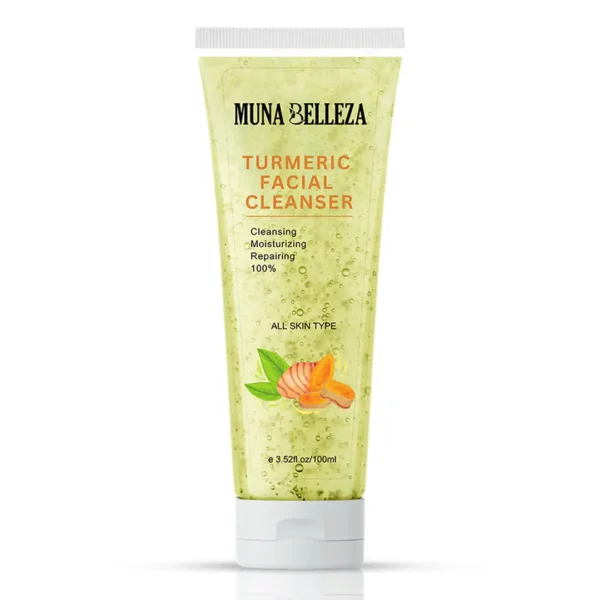 Turmeric face wash
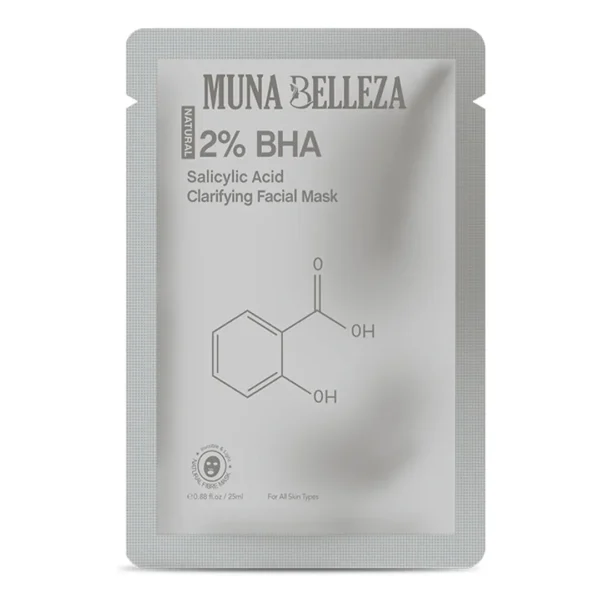 Salicylic acid mask
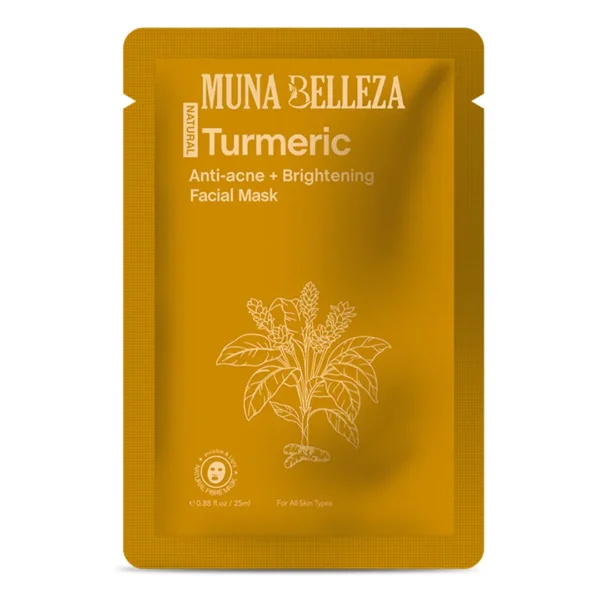 Turmeric face mask