If you have tried every cream, mask and home remedy and the pimples keep coming back, you are not doing something wrong. Most people simply use the wrong treatment for their type of breakout, or stop before it has time to work. Learning how to get rid of acne properly is less about finding a miracle product and more about following a plan for long enough.
This guide gives you that plan: how to tell how severe your acne is, which treatments actually work at each level, how long to give them, and what to do if nothing changes. A gentle face wash for oily skin morning and night is the base of every step. If you are still learning what acne is and what causes it, start with our acne guide.
Why most pimple fixes don’t last
A pimple you can see today started forming in the pore two to three weeks ago. That is why spot treatments only deal with the pimples already there, and why a new product can’t show its real effect in a few days. Treatments that last work on all three causes at once: extra oil, clogged pores and the acne bacteria. Scrubbing, drying the skin with alcohol or switching products every week does none of these.
Step 1: Work out how bad your acne is
- Mild: mostly blackheads and whiteheads, with a few small red pimples now and then.
- Moderate: regular red pimples and pus-filled spots on the face, chest or back, often with some marks left behind.
- Severe: deep, painful lumps or cysts, many inflamed spots at once, or acne that leaves pitted scars.
Mild and many moderate cases can be treated with products from a pharmacy or skincare shop. Severe acne needs a dermatologist from the start, because waiting can mean permanent scars.
Step 2: Choose a treatment that matches
Mild acne
- Salicylic acid (0.5–2%) in a wash, toner or mask, to clear blackheads and whiteheads. Our salicylic acid guide explains strengths and how often to use it.
- Niacinamide to calm redness and reduce oiliness. See our niacinamide guide.
- Add benzoyl peroxide 2.5% as a thin layer on areas that get red pimples.
Moderate acne
- A retinoid such as adapalene gel at night. It keeps pores from clogging and is the backbone of long-term acne control. Ask a pharmacist or doctor which strength is right for you.
- Benzoyl peroxide in the morning, or a product that combines it with adapalene.
- If this isn’t enough after three months, a doctor may add an antibiotic for a short time, always together with benzoyl peroxide so bacteria don’t become resistant.
Severe acne
See a dermatologist. Options include oral isotretinoin, hormonal treatments for women, and injections for painful cysts. These need a prescription and monitoring, but they can clear acne that creams can’t touch.
Step 3: Use it properly for 12 weeks
- Start slowly. Use a retinoid every second or third night for the first two weeks, then build up to nightly.
- Use a pea-sized amount for the whole face, not just on spots. Treatment prevents the next pimple, which you can’t see yet.
- Moisturise. Acne treatments dry the skin; a light, oil-free moisturiser makes them easier to stick with. If your skin feels tight, a mild amino acid cleanser is gentler than a foaming wash.
- Wear sunscreen daily. Retinoids and acids make skin more sensitive to the sun, and sun darkens acne marks.
- Expect a slow start. The first two to six weeks can bring dryness and even a few extra spots as pores clear. Real improvement usually shows at 8 to 12 weeks.
- Keep going when it clears. Most people need a maintenance routine, often a retinoid two or three nights a week, to stop acne returning.
What to do if it isn’t working
- Check how you’re using it: missed days, too little product or stopping at week four are the most common reasons.
- Check for clogging products: heavy creams, hair oils and some sunscreens can block pores along the hairline and jaw.
- Look for a hormonal pattern: flares before your period on the chin and jaw, or acne with irregular periods or extra hair growth, are worth discussing with a doctor.
- Watch for “acne” that isn’t acne: small, itchy, same-size bumps on the forehead or chest may be a yeast-related rash, which needs a different treatment.
- Move up a level: if a mild-acne routine hasn’t helped after three months, it’s time for a retinoid or a doctor’s visit.
Blind pimples and hard lumps under the skin
A blind pimple is a deep, sore bump with no head. It forms lower in the pore, so surface products barely reach it. Hold a warm, clean compress on it for 10 to 15 minutes, three or four times a day; the warmth can bring it closer to the surface or help it settle. Don’t squeeze or try to pop a blind pimple with a needle, as that pushes the infection deeper and can leave a scar. A pimple that has turned into a hard lump can take weeks to go down. If it’s large, painful or keeps coming back in the same place, a dermatologist can inject it, which shrinks it within a day or two. For a pimple that has already come to a head, our guide to pimples on face covers what to do in the first 48 hours.
Forehead, cheeks, nose and back
- Forehead: check hair products, fringes and caps. Wash hair oils off the hairline and keep fringes clean.
- Cheeks: change pillowcases twice a week and wipe your phone screen daily.
- Nose: often blackheads and oil rather than inflamed acne; salicylic acid suits it best. Our blackhead removal guide goes into detail.
- Back and chest: use a benzoyl peroxide or salicylic acid body wash, leave it on for two to three minutes before rinsing, shower soon after the gym, and wear loose cotton in the heat.
How to stop pimples coming back
- Keep using your treatment a few times a week even when skin is clear.
- Wash your face after sweating, especially in summer.
- Choose products labelled non-comedogenic or oil-free.
- Remove make-up and sunscreen fully every night.
- Use a weekly clearing mask if pores clog easily. Our salicylic acid face mask is a simple option once or twice a week.
- Leave spots alone; picking turns a one-week pimple into a month-long mark.
Common questions
How can I get rid of pimples overnight?
You can’t make a pimple disappear in one night, but you can make it smaller and less red with an ice compress, a hydrocolloid patch or a dab of benzoyl peroxide. For a quick fix before an event, a dermatologist’s cortisone injection works fastest.
Can acne be cured naturally in 3 days?
No. Natural remedies such as diluted tea tree oil may calm mild spots, but no treatment, natural or medical, clears acne in three days. Plan for weeks, not days.
Is there a permanent cure for acne?
Acne often fades with age, and oral isotretinoin gives long-term clearance for many people with severe acne. For most, acne is controlled rather than cured, with a simple maintenance routine.
How do I get rid of the dark spots pimples leave?
Treat the acne first so new marks stop forming, then use niacinamide, vitamin C or azelaic acid with daily sunscreen. Our guide to acne marks vs acne scars explains what fades on its own and what needs a clinic.
How do men get rid of pimples?
The same plan works. Shave in the direction of hair growth with a sharp blade, and apply treatments after shaving has calmed, not straight after.
Ready to start your plan? Our face wash and clearing mask are made in Korea, with free delivery to every emirate and cash on delivery available.
Learn more about our face wash and cleansers.
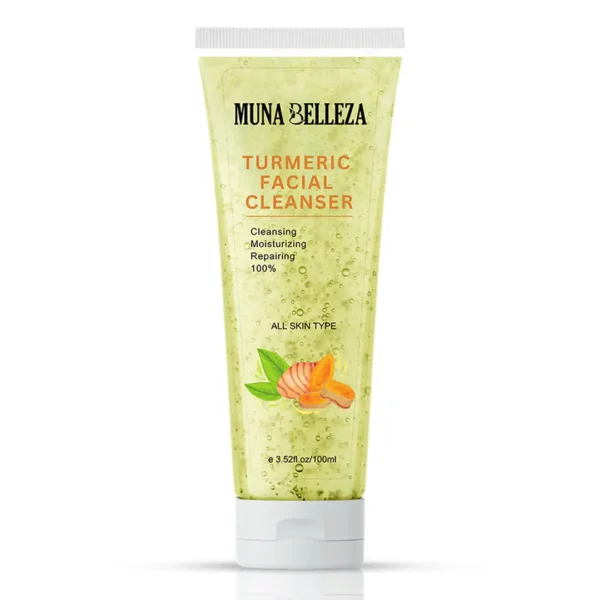 Face wash for oily skin
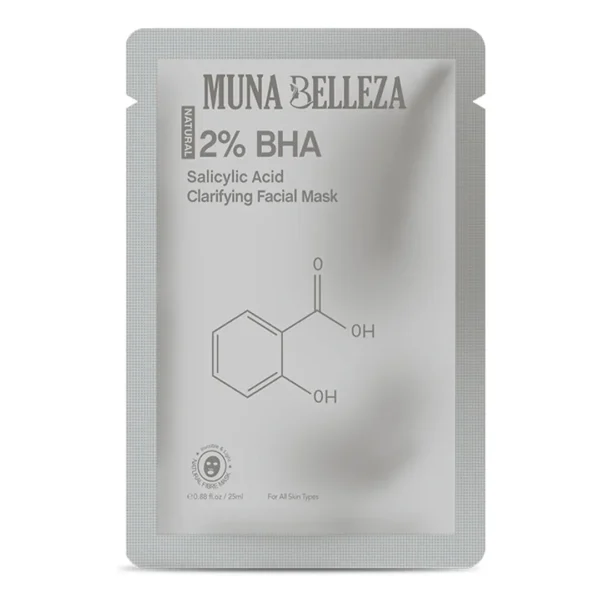 Weekly clearing mask
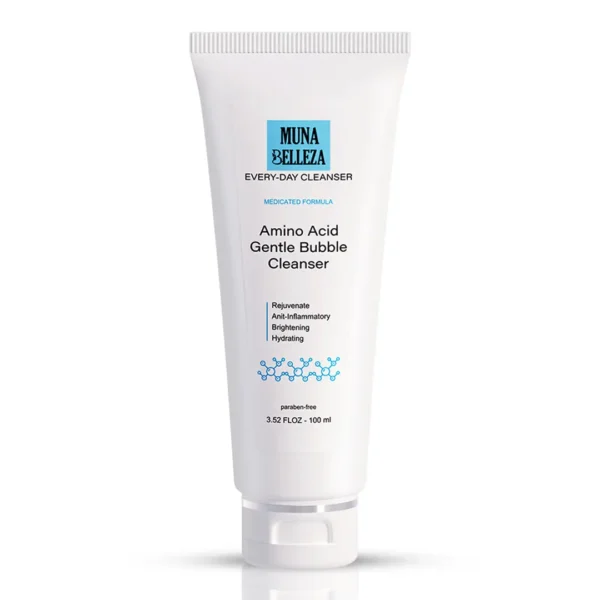 Gentle cleanser