If your face looks shiny by lunchtime, make-up slides off in the afternoon and blotting papers live in your bag, you probably have oily skin. It’s one of the most common skin types in the UAE, and the heat and humidity of the Gulf summer only make it more noticeable.
The good news is that oily skin is easy to manage once you stop fighting it. You can’t switch off your oil glands, but the right routine keeps shine under control, stops pores from clogging and still leaves your skin comfortable. Our moisturizer for oily skin range is a good place to start, and below you’ll find everything you need to build a routine that works.
What is oily skin?
Oily skin makes more sebum, the natural oil that keeps skin soft and protected. Sebum isn’t bad: it helps your skin hold water and defend itself. The trouble starts when there’s too much of it, mixing with dead skin cells and blocking pores.
Signs of oily skin:
- a shine across the forehead, nose, chin and often the cheeks, a few hours after washing;
- visible pores, especially on the nose and cheeks;
- make-up that breaks up or “melts” during the day;
- a tendency to blackheads, whiteheads or breakouts.
There’s a quiet upside too: oily skin tends to show fine lines later, because the extra oil helps the skin stay supple.
Oily, combination or dry? A simple test
Wash your face with a gentle cleanser, pat it dry and apply nothing. Wait an hour, then press a clean tissue on different parts of your face.
- Oily skin: oil on the tissue from the forehead, nose, chin and cheeks.
- Oily or combination skin: oil from the T-zone (forehead, nose and chin) but cheeks that feel normal or tight. This combination of oily and dry skin is very common.
- Dry skin: no oil anywhere and a tight, sometimes flaky feeling. Our dry skin guide covers that type.
The difference between oily and dry skin is about oil, not water. That’s why oily skin can still be dehydrated: tight and flaky in places but shiny elsewhere. It usually happens after harsh cleansers, too much scrubbing or strong acne products. If your skin seems to swing from dry skin to oily skin, a gentler routine is usually the fix.
What makes skin oily
- Genes: the biggest factor. Oily skin often runs in families.
- Hormones: androgens drive oil production, which is why oiliness peaks in the teenage years and can flare around periods, pregnancy or with conditions like PCOS.
- Heat and humidity: skin produces more oil in warm weather, so a Dubai or Abu Dhabi summer can make your face feel oilier than usual.
- Over-washing and harsh products: stripping the skin can leave it irritated and feeling greasier.
- Heavy products: rich creams and some oils sit on the surface and add to the shine.
The best skin routine for oily skin
Morning
- Cleanse with a gentle foaming or gel face wash. A cleanser with salicylic acid or tea tree oil helps if you also get breakouts.
- Serum (optional): niacinamide helps with shine and pores, and vitamin C adds brightness.
- Moisturise with a light gel or oil-free lotion.
- Sunscreen: choose a gel or fluid marked “non-comedogenic” or “matte”.
Evening
- Cleanse to remove sunscreen, sweat and make-up. Use a double cleanse on make-up days.
- Treat: a salicylic acid product on alternate nights, or a retinoid if your skin tolerates it.
- Moisturise with the same light gel.
Once or twice a week: a clay mask or a salicylic acid mask on the T-zone. For a full morning-to-night order for all skin types, see our skin care routine guide.
Ingredients that help (and a few that don’t)
- Salicylic acid (BHA): oil-soluble, so it works inside the pore to clear the build-up. It’s the best-known acid for oily, breakout-prone skin. Read our salicylic acid guide.
- Niacinamide: studies show it can reduce surface oil and make pores look smaller. See our niacinamide guide.
- Retinoids: help keep pores clear and can reduce oiliness over time; start slowly.
- Clay (kaolin, bentonite): absorbs surface oil for a temporary matte finish.
- Hyaluronic acid: adds water without oil, perfect for dehydrated oily skin.
- Tea tree oil: a mild option for occasional breakouts. Use it in a finished product, never neat on the skin.
- Witch hazel: can feel tightening, but many toners contain alcohol that irritates. Check the label.
- Skip: heavy oils like coconut oil, rough scrubs and alcohol-heavy toners that leave the skin squeaky.
How to use moisturiser on oily skin
Yes, oily skin needs moisturiser. Skipping it can leave your skin dehydrated and irritated, especially if you use acne treatments. Pick a gel, gel-cream or oil-free lotion, use a pea-sized amount for the whole face, and apply it to slightly damp skin after your serum. In the evening a lighter layer is enough. If you want anti-aging benefits too, a light moisturiser with niacinamide or peptides works well on oily skin.
Oily skin in men
Men’s skin tends to produce more oil and has larger pores. A men’s skincare routine for oily skin can be just three steps: a deep-cleansing face wash morning and night, a light oil-free moisturiser, and sunscreen. Shave with a clean blade and a gel rather than a heavy foam, and use a salicylic acid mask once a week if blackheads build up on the nose.
Common mistakes
- Washing more than twice a day. It doesn’t stop oil, and it can make skin irritated. After the gym, a quick rinse with water is fine.
- Using only harsh, drying products. Tight skin isn’t clean skin.
- Touching or blotting with dirty fingers. Use blotting papers instead.
- Skipping sunscreen because it feels greasy. Try a gel or fluid instead.
- Expecting overnight results. Give a new routine 4–6 weeks.
See a dermatologist if oiliness comes with painful, deep acne, if it suddenly changes, or if you also notice irregular periods or extra hair growth, which can point to a hormonal cause.
Common questions
What are the best products for oily skin?
A gentle foaming cleanser, a light gel moisturiser, a non-comedogenic sunscreen, and one treatment product such as salicylic acid or niacinamide. You don’t need a 10-step routine.
What is the best face wash for an oily face?
A foaming or gel cleanser that leaves your skin clean but not tight. Salicylic acid or tea tree oil helps if you also get breakouts.
Is a face pack good for oily skin?
Yes, once or twice a week. Clay packs absorb oil, and salicylic acid masks help keep pores clear. Avoid using them daily.
Can oily skin become normal?
Oiliness often eases with age and the right routine, but you can’t change your skin type for good. You can keep it balanced.
Ready to control shine without drying your skin? Our face wash and salicylic acid mask are made in Korea, with free delivery to every emirate and cash on delivery available.
Learn more about our face wash and cleansers.
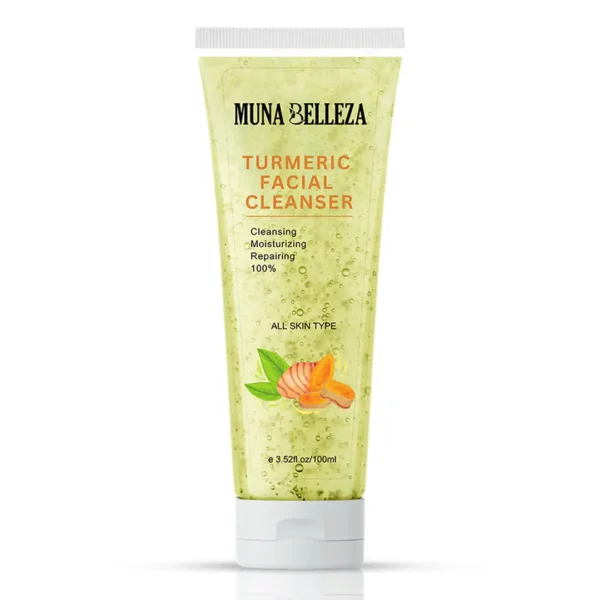 Turmeric face wash
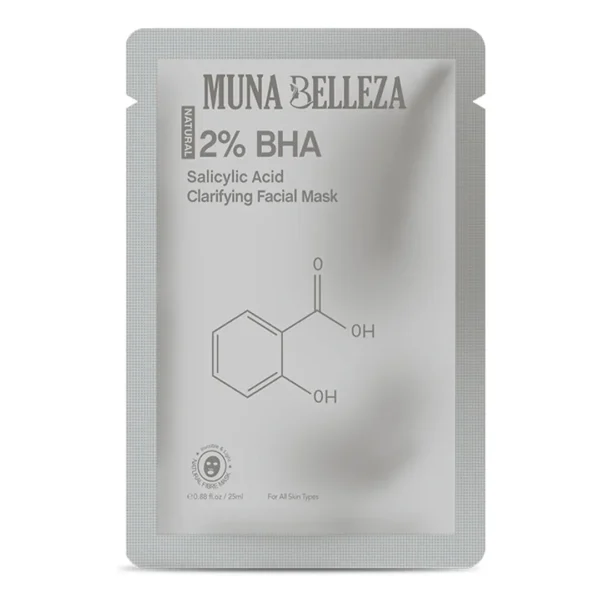 Salicylic acid mask
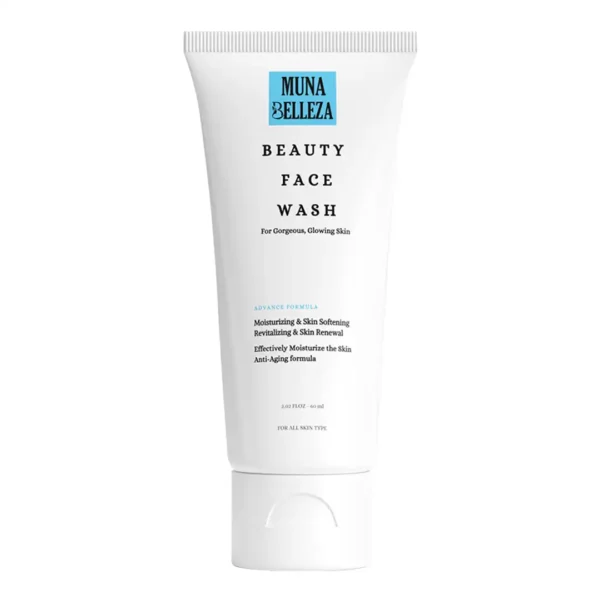 Beauty face wash