Argireline is often sold as “Botox in a bottle”. It’s one of the best-known peptides in skincare, and you’ll find it in serums, eye creams and sheet masks across the UAE. But what does it actually do, how is it different from other peptides, and where does collagen fit in?
This guide explains how argireline works, what the research really shows, the main types of peptides for skin, and how to use them without wasting money. For an easy way to try argireline, our collagen sheet mask combines it with hydrolysed collagen and hyaluronic acid for a weekly plumping boost.
What is argireline?
Argireline is the trade name of acetyl hexapeptide-8 (older labels say acetyl hexapeptide-3), a short chain of six amino acids. It’s designed to copy a small part of a protein called SNAP-25, which nerves use to tell facial muscles to contract.
By getting in the way of that signal, argireline may slightly relax the repeated muscle movements that create expression lines, such as frown lines between the brows, forehead lines and crow’s feet. That’s where the “Botox-like” label comes from. The difference is scale: Botox is an injected medicine that blocks the signal strongly for months, while argireline is a cosmetic peptide applied to the surface, with a much smaller, gradual and temporary effect.
Does argireline work? What studies show
- In an early study, a cream with 10% argireline solution reduced the depth of expression wrinkles around the eyes by up to about 30% after 30 days, though the group was small.
- A later placebo-controlled trial found improvements in eye-area wrinkles after four weeks of twice-daily use compared with a plain cream.
- Results stop when you stop using it, and it does nothing for wrinkles caused by sun damage or volume loss, or for sagging.
So argireline can soften fine expression lines a little, especially around the eyes and forehead. Think of it as a helpful extra, not a substitute for sunscreen, retinoids or clinic treatments.
About “argireline 20 percent” or “argireline solution” on labels: these numbers usually refer to a ready-made solution that contains only a small amount of the actual peptide. A higher percentage of solution doesn’t necessarily mean a stronger effect, and the price often reflects the marketing more than the formula.
Types of peptides for skin
Peptides are short chains of amino acids, the building blocks of proteins such as collagen. Different peptides do different jobs:
- Signal peptides: such as palmitoyl pentapeptide-4 and palmitoyl tripeptide-1. They act like messages that encourage the skin to make collagen. Studies suggest a modest improvement in fine lines and firmness over a few months.
- Neurotransmitter-inhibiting peptides: argireline and similar peptides (for example SNAP-8) that relax expression lines.
- Carrier peptides: copper peptides (GHK-Cu) deliver copper, which is involved in skin repair and collagen production. Use them separately from strong acids and pure vitamin C.
- Enzyme-inhibiting peptides: often from soy or rice, they slow the breakdown of collagen.
The benefits of peptides for skin are real but gentle. They suit people who want firmer, smoother-looking skin without the dryness that can come with retinoids. “Natural peptides for skin” from plants such as rice, soy or pea are a growing group, but they don’t automatically work better than lab-made ones; the evidence depends on the specific peptide. Peptides for skin tightening can make skin look a little firmer, but no cream can lift loose skin the way clinic treatments can.
Collagen for skin: creams, masks and supplements
Collagen gives skin its strength and bounce. Collagen loss in the face starts gradually from the mid-twenties, and sun exposure, smoking and menopause speed it up. Our guide to wrinkles explains the causes in more detail.
- Collagen in creams and masks: collagen molecules are too large to enter the skin and rebuild your own collagen. They work as excellent hydrators, so skin looks smoother and plumper for a day or two. Pairing collagen with a peptide like argireline adds a modest line-softening effect.
- Collagen supplements: a review of randomised trials found that hydrolysed collagen taken by mouth for at least a few weeks may improve skin hydration and elasticity a little. Quality and dose vary, so speak to your doctor or pharmacist before starting any supplement.
- What builds your own collagen: daily sunscreen, retinoids, vitamin C and some clinic treatments.
A “collagen wave” facial is a clinic or salon treatment, usually using radiofrequency or similar devices to heat the deeper skin and encourage new collagen. Results vary between machines and clinics; ask about the device, the number of sessions and realistic outcomes before you book.
How to use peptides in your routine
- Cleanse, then apply water-based serums first.
- Apply your peptide serum morning and/or evening on dry skin, focusing on lines around the eyes and forehead.
- Follow with moisturiser, and sunscreen in the morning.
- Weekly boost: use a peptide or collagen sheet mask once or twice a week.
Most peptides pair well with hyaluronic acid, niacinamide and retinol. See our guide to the best hyaluronic acid serum for layering tips. Keep copper peptides away from strong acids and pure vitamin C in the same step. Give any peptide product at least 4–8 weeks before judging the result.
How to choose a peptide product
- Check the name: look for a named peptide (acetyl hexapeptide-8, palmitoyl pentapeptide-4, copper tripeptide-1) rather than just “peptide complex”.
- Check where it sits: peptides work at low levels, but a peptide listed after the fragrance is probably there for marketing.
- Choose leave-on products: serums, creams and masks give peptides time to work; cleansers rinse them away.
- Keep realistic expectations: the best peptides for skin give subtle results. If you want stronger results for lines, combine them with a retinoid or ask a dermatologist; our guide to the best anti aging cream compares the options.
Common questions
Is argireline safe?
It’s generally well tolerated in cosmetic products. Rarely, it can cause mild irritation. Patch-test any new product, and avoid the eye itself.
Can argireline replace Botox?
No. It can soften fine expression lines a little, but its effect is much weaker and doesn’t last once you stop.
Does collagen make your face fat?
No. Collagen creams and masks only hydrate the surface, and collagen supplements are a protein that doesn’t add fat to the face. Skin may look plumper because it’s well hydrated, not because of weight gain.
What are the collagen benefits for skin?
Collagen in your skin provides firmness and elasticity. Applied on the skin it hydrates and smooths; taken as a supplement it may modestly help hydration and elasticity.
Want a weekly boost with argireline and collagen? Our collagen face mask is made in Korea, with free delivery to every emirate and cash on delivery available.
Learn more about our face masks.
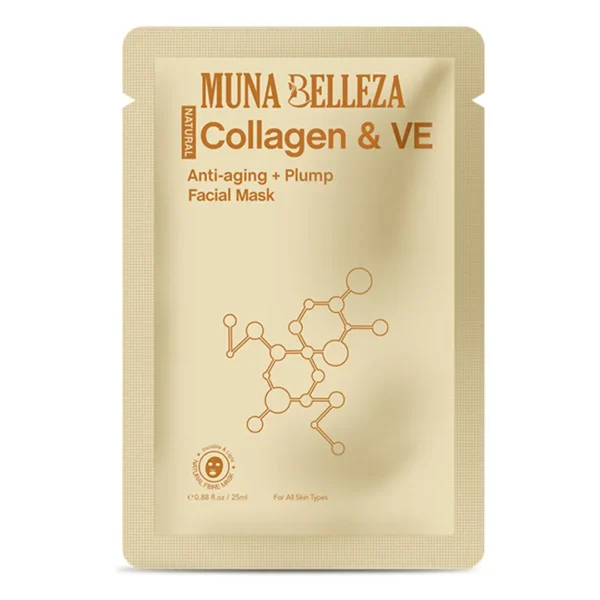 Collagen face mask
 Vitamin C serum
 Day and night cream