
Most of us learned to wash our face by copying a parent or a friend, and never thought about it again. Yet this one minute decides how well every serum and moisturiser works afterwards. Learning how to properly wash your face isn’t complicated: it comes down to the right water temperature, the right amount of face wash, gentle hands and knowing when to stop.
Below is a simple step-by-step method that suits life in the UAE, from sweaty afternoons outdoors to long hours in air conditioning, plus straight answers to the questions people ask most.
Why the way you wash matters
Over a day your skin collects oil, sweat, sunscreen, make-up, dust and pollution. Washing lifts all of that so pores stay clearer and your next products can reach the skin. But cleansing also removes some of the natural oils that keep your skin barrier soft and protected. Wash too hard, too hot or too often and skin feels tight, turns red, or starts looking oilier to make up for what it lost.
So the goal is clean, not stripped. A good rule: after washing, your face should feel comfortable, not “squeaky”. If it squeaks, your cleanser or your technique is too harsh for your skin.
How to properly wash your face in 7 steps
- Wash your hands first. Hands touch phones, steering wheels and door handles all day. Clean hands mean your face wash only has to clean your face.
- Take off make-up and sunscreen first. On days you wear make-up or water-resistant sunscreen, start with a cleansing oil, balm or micellar water. This first step is what people call double cleansing.
- Wet your face with lukewarm water. Hot water strips oils and can leave skin flushed. Very cold water doesn’t rinse cleanser away as well. Aim for comfortably warm, like a pleasant shower.
- Use a small amount. A pea- to almond-sized amount is enough for the whole face. With a foaming wash, work it into a lather between wet palms before it touches your skin.
- Massage gently for 30 to 60 seconds. Use your fingertips in small circles. Don’t forget the hairline, jawline, sides of the nose and under the chin, where oil and sunscreen hide. Keep it away from your eyes, and skip rough cloths and hard scrubbing.
- Rinse well. Splash ten times or more. Leftover cleanser along the hairline and jaw is a common, overlooked cause of irritation and small bumps.
- Pat dry and move on quickly. Press a clean, soft towel against your skin rather than rubbing. Apply your serum or moisturiser while the skin is still a little damp, which helps it hold on to water. Swap your face towel every two or three days.
Want to see where washing fits in the bigger picture? Our skin care routine guide takes you through the full morning and evening order.
How often should you wash your face?
For most people, twice a day is right: once in the morning, once at night, plus an extra wash after heavy sweating. That is the advice of the American Academy of Dermatology.
There is some research behind it too. In a small controlled trial, men with mild to moderate acne washed their face once, twice or four times a day for six weeks. The twice-a-day group saw the clearest improvement in blackheads and other non-inflamed spots, while the once-a-day group got worse, with more red, inflamed pimples. Four times a day didn’t cause big problems, but it didn’t add much either.
Should I wash my face in the morning?
Yes, for most skin types. Overnight, your skin makes oil and sweat, and leftover night cream sits on top. A morning wash gives sunscreen a clean base. If your skin is very dry or sensitive, a splash of lukewarm water or a very gentle, low-foam cleanser is enough in the morning; keep the thorough wash for the evening.
What about oily skin in the UAE heat?
An extra gentle wash after the gym or time outdoors is fine. Between washes, blotting papers deal with shine without stripping your skin. If you find yourself washing four or five times a day, your cleanser may be too strong, and your skin may be producing extra oil in response. Our oily skin guide explains how to break that cycle.
Cleanser vs face wash: what’s the difference?
Less than the labels suggest. Cleanser is the umbrella word for anything that cleans your face: creams, milks, gels, foams, oils, balms and micellar water. Face wash usually means a gel or foam that lathers and rinses off with water. So a face wash is a type of cleanser, but not every cleanser is a face wash. And yes, cleansing foam and face wash are the same thing under different names.
- Gel or foaming face wash: suits oily and combination skin, and is good after sweating.
- Cream, milk or low-foam cleanser: suits dry and sensitive skin.
- Oil, balm or micellar water: best as a first step to dissolve sunscreen and make-up.
Cleanser or face wash first?
If you double cleanse, the oil, balm or micellar water goes first, then the water-based face wash. There’s no need to use two foaming washes one after the other; that just strips the skin twice.
What should you wash your face with?
Choose by how your skin behaves, not by what’s popular:
- Oily skin: a gel face wash that leaves skin fresh but not tight.
- Dry skin: a gentle, low-foam cleanser with moisturising ingredients such as glycerin. More in our dry skin guide.
- Combination skin: a balanced cleanser that cleans the T-zone without drying the cheeks. See combination skin.
- Sensitive skin: fragrance-free and sulphate-free, used with cool to lukewarm water.
- Acne-prone skin: a gentle daily wash, possibly with an ingredient like salicylic acid.
- Men: shaving and sweat change things a little. Our guide to the best face wash for men covers it.
Our three cleansers, honestly
- Amino Acid Gentle Bubble Cleanser: mild amino-acid cleansing agents with glycerin, betaine and allantoin, no added fragrance and no sulphates. The easy choice for dry, sensitive or everyday morning washing.
- Turmeric Face Wash: a sulphate-free gel with turmeric, tea tree oil, aloe and sodium hyaluronate, for oily and acne-prone skin. It’s a daily wash, not an acne treatment, and because of the tea tree oil, patch-test it first.
- Beauty Face Wash: a richer-foaming, deep-cleansing wash with sulphates and fragrance. Best for oily or normal skin and for men; not the one for dry or sensitive skin.
Face-washing mistakes to avoid
- Hot water or washing under a steaming shower. It feels good but leaves skin dry and flushed.
- Scrubbing. Rough cloths, daily scrubs and harsh brushes break down the skin barrier. Exfoliate one to three times a week at most, with a product made for it.
- Using too much product or leaving it on too long. More foam doesn’t mean cleaner skin.
- A quick, half-hearted rinse. Residue at the hairline and jaw can irritate.
- Reusing a damp towel that stays wet in a humid bathroom.
- Leaving skin bare afterwards. Air-conditioned rooms pull moisture from freshly washed skin, so moisturise within a few minutes.
Special situations
Can I wash my face with water only?
Sometimes. A water rinse can be enough on a morning when your skin is dry and you didn’t use heavy products at night. Water alone won’t remove sunscreen, make-up or a full day of oil and sweat, though, so use a cleanser in the evening.
How to wash your face without face wash
If you’ve run out, a gentle micellar water or a mild, fragrance-free cleansing milk works. Avoid regular bar soap and body wash; they’re usually too harsh for the face. Gram flour (besan) mixed with water is a traditional home cleanser in many Gulf and South Asian homes. It can feel pleasant, but it’s slightly gritty, so use light pressure, rinse thoroughly and patch-test first if your skin is sensitive.
After a workout
Wash as soon as you can after sweating, especially if you wore a cap, helmet or headscarf that kept sweat against your skin. A gentle face wash is enough; there’s no need for anything stronger.
After waxing or threading
Yes, you can wash, but be extra gentle for the first day: lukewarm or cool water, a mild fragrance-free cleanser, and no scrubs, acids or retinoids for a day or two while the skin settles.
After a facial
Follow your therapist’s advice first. As a general guide, many suggest leaving the skin alone until the evening or the next morning, then using only a gentle cleanser and skipping exfoliants for a day or two.
With contact lenses in
It’s safer to take your lenses out first. Eye-care professionals advise keeping tap water away from contact lenses, and face wash in the eye stings even without lenses.
Common questions
Is face wash good for your face?
Yes, the right one is. A gentle face wash removes what water can’t, like sunscreen and oil. Problems start when the wash is too strong for your skin type or used too often.
How long should you wash your face?
About 30 to 60 seconds of gentle massage, then a thorough rinse. Longer doesn’t mean cleaner.
Can I use face wash every day?
Yes. A gentle cleanser is made for daily use, usually twice a day. If your skin feels tight, use it once a day and rinse with water in the morning.
Can you use a salicylic acid cleanser every day?
Many are designed for daily use, and because they rinse off, contact time is short. If your skin is dry or sensitive, start with once a day or every other day and see how it feels.
Should I wash my face again after cleansing?
Only if your first step was an oil, balm or micellar water; follow it with a water-based face wash. After a normal face wash, a good rinse is all you need.
Does face wash remove pimples?
Not on its own. A face wash helps keep pores clear of oil and dirt, which supports clearer skin, but it stays on your face for less than a minute. For spots that are already there, see how to get rid of pimples.
Ready to make the one step you do every day work better for your skin? Pick the face wash that matches your skin type, with free delivery to every emirate and cash on delivery available.
Learn more about our face wash and cleansers.
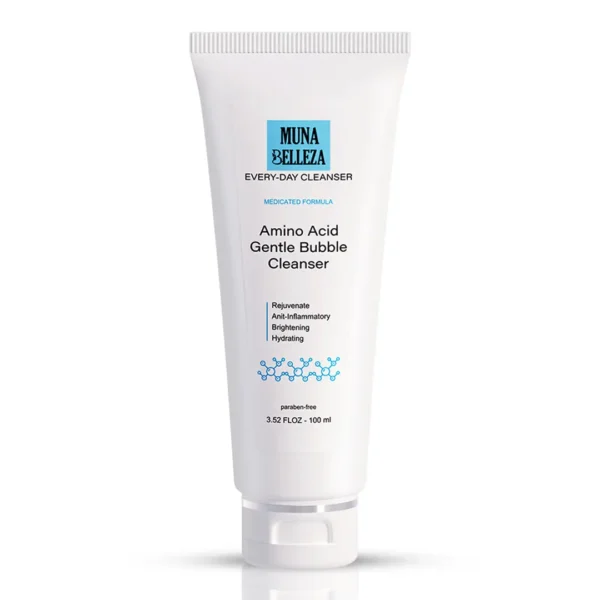 Amino acid cleanser
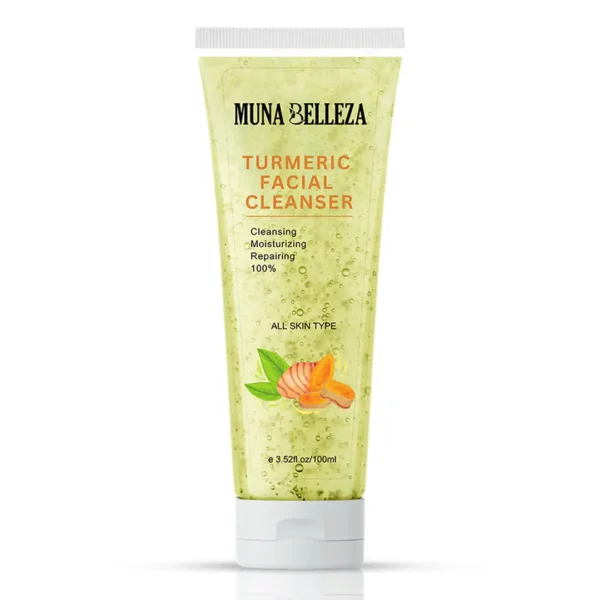 Turmeric face wash
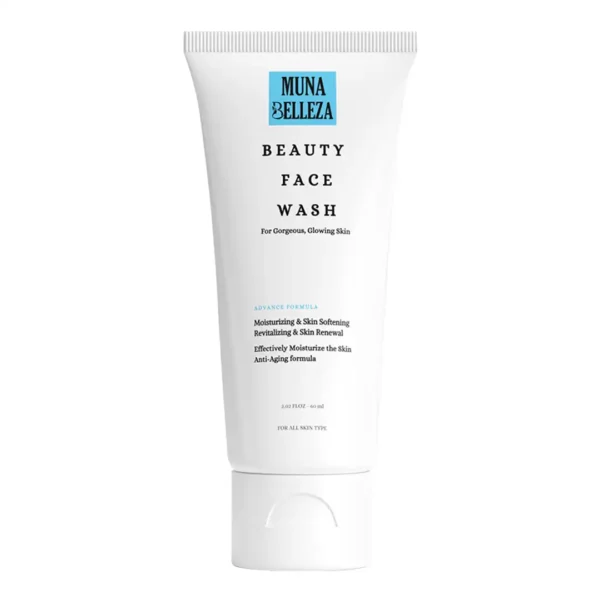 Deep cleansing face wash