Few skincare ingredients have been around as long as witch hazel. Your grandmother may have kept a bottle for cuts and puffy eyes, and today it turns up in toners, serums and masks for oily skin. That long history comes with a lot of big promises: smaller pores, no more acne, calmer skin.
So what does the research actually say, and does it suit skin living through UAE heat? It comes down to which form you’re using and what else is in the bottle. Below we explain what witch hazel does, who it suits, when it irritates, and how to use it safely. It’s also why you’ll often find it in pore products and blackhead remover formulas for oily skin.
What is witch hazel?
Witch hazel (Hamamelis virginiana) is a shrub from North America with spidery yellow flowers that bloom in autumn. Its leaves, bark and twigs are used in two main ways: steamed and distilled into a clear liquid called witch hazel water (or distillate), or soaked to make a concentrated extract.
The bark and leaves are rich in tannins, natural plant compounds that make skin proteins tighten slightly. That’s where its famous “astringent” feel comes from. The distilled water carries far fewer tannins than an extract, which is one reason two products made from it can feel completely different on your face.
What does witch hazel do for skin?
- A temporary tightening, less oily feel. The astringent effect makes skin feel firmer and less greasy for a few hours. It’s a feeling, not a permanent change.
- Mild calming. In small studies on healthy volunteers, creams and lotions made with it slightly reduced redness caused by UV light or tape stripping. The effect was modest, and hydrocortisone cream worked better.
- Antioxidant support. Lab studies show its polyphenols act as antioxidants. That’s promising, but lab results don’t always carry over to real skin.
- Not an eczema treatment. In one study of people with atopic eczema, a cream containing it did no better than the same cream without witch hazel.
In short, it’s a pleasant supporting ingredient with mild, short-lived effects. It’s useful in the right formula, but it won’t fix a skin condition on its own.
Is witch hazel good for oily skin?
It can be. Oily skin is the type that enjoys the fresh, tightened feel most, especially in humid summer months when the T-zone shines by lunchtime. A light, alcohol-free formula can make skin feel cleaner and less slick for a while.
What it can’t do is shrink pores or stop oil production. Pore size is mostly genetic, and oil comes back within hours. For blackheads and clogged pores, salicylic acid does far more because it works inside the pore. Our guide to clogged pores explains why.
Can witch hazel irritate skin?
Yes, and the cause is usually the formula rather than the plant itself. Watch for:
- Alcohol. Many pharmacy witch hazel liquids have alcohol added. Used daily, that can leave skin dry, tight and red, especially in air-conditioned rooms.
- Too much astringency. Tannin-rich extracts can feel harsh on dry or sensitive skin.
- Fragrance and essential oils added to toners, which are common triggers for sensitive skin.
- Allergy. True allergy to the plant is rare, but it happens. Stop using it if you get itching, stinging that doesn’t settle or a rash.
If your skin is easily irritated, choose alcohol-free products, patch test first and use them a few times a week rather than twice a day. Our guide to face redness explains what to do if a product leaves you red.
Witch hazel water, extract and toner: what’s the difference?
On an ingredient list you’ll usually see one of these:
- Hamamelis Virginiana (Witch Hazel) Water: the distillate. Gentle, light, fewer tannins. Often used as part of the water base of a product.
- Hamamelis Virginiana (Witch Hazel) Extract (bark, leaf or both): more concentrated, more tannins, a stronger astringent effect.
- Witch hazel toner: a finished product that may contain water or extract, plus other ingredients. Read the full label, because alcohol and fragrance are what make the biggest difference.
How to use witch hazel
- Cleanse first using a mild wash, then pat the face dry.
- Apply a thin layer of your product, or use it as one step in a serum or mask. Avoid the eye area and any broken skin.
- Follow with moisturizer, even on oily skin, so the tightening feel doesn’t turn into dryness.
- Wear sunscreen in the morning as usual. It doesn’t protect against UV.
Start with once a day or every other day. It layers easily with niacinamide, hyaluronic acid and vitamin C. Go carefully if you’re also using strong acids or retinoids, as several astringent or exfoliating steps together can overdo it.
Witch hazel in our products
We don’t sell a witch hazel toner, but it’s part of two formulas, and neither lists alcohol in its ingredients:
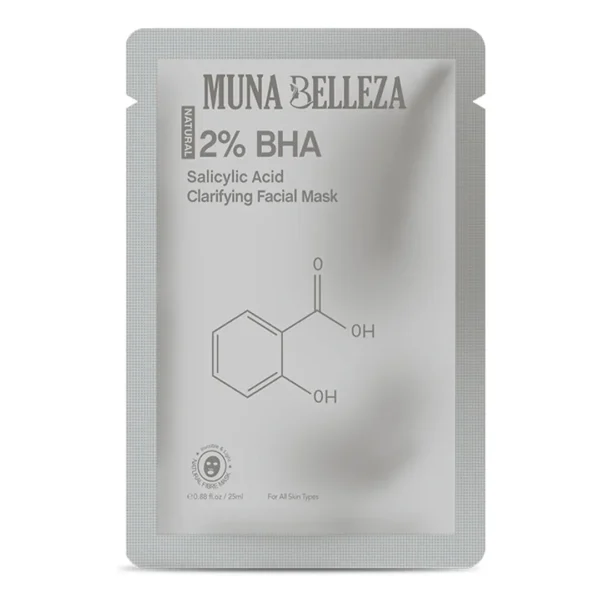
- Salicylic Acid Face Mask (2% BHA): witch hazel water is the third ingredient, working alongside salicylic and glycolic acids, allantoin and beta-glucan. Use it on one or two evenings a week for oily, congested skin. It contains fragrance, so patch test first.
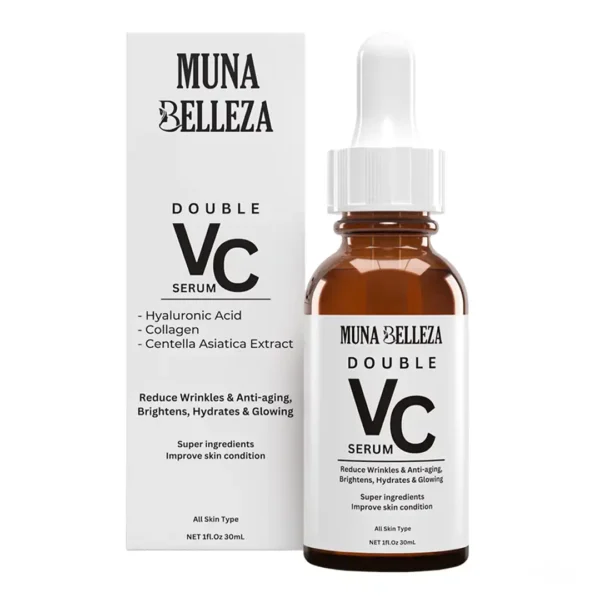
- Double Vitamin C Serum: witch hazel bark and leaf extract sits in the second half of the list, with vitamin C, hyaluronic acid and centella. It’s water-based, has no oils and no added fragrance, so it suits oily skin in the heat.
Common questions
Is witch hazel good for acne?
It can leave oily skin feeling fresher, yet research hasn’t shown it clears breakouts, and versions with alcohol often sting. We cover this in detail in our tea tree oil guide: is witch hazel good for acne.
Can I use witch hazel every day?
An alcohol-free product is usually fine once a day on oily or combination skin. On dry or sensitive skin, begin on alternate days and stop if it feels tight.
Does witch hazel shrink pores?
No. It can make pores look tighter for a few hours, but it doesn’t change their size. Keeping pores clear with salicylic acid makes a bigger visible difference.
Can witch hazel lighten dark spots?
Not on current evidence. For dark spots, ingredients such as niacinamide, arbutin, vitamin C and daily sunscreen are much better studied.
Is witch hazel safe around the eyes?
Stay outside the orbital bone, because it stings if it gets into the eye. A cool, damp cloth does more for puffy eyes.
Every order ships free across the UAE, with card, Apple Pay or cash on delivery.
Learn more about our blackhead and pore products.
 Blackhead mask
 Vitamin C serum
 Oily skin face wash