A red face can come from a hot day, a new cream, a hidden skin condition or simply walking from 45°C heat into a chilled mall. Face redness is one of the most common skin complaints in the UAE, and also one of the easiest to make worse: the usual reaction is to scrub, layer on “calming” products and hope, which often keeps the redness going.
So how do you know what will actually help? It comes down to finding the cause first. Below we explain the main reasons for redness on face, how to tell if it might be rosacea, what to do when a product turns you red, and the simple, fragrance-free care that helps skin settle. If your skin reacts easily in general, start with a gentle moisturizer for sensitive skin and build from there.
What causes redness on face
Redness happens when small blood vessels near the surface widen, or when skin is inflamed. The pattern usually points to the cause:
- Flushing: short bursts of redness from heat, sun, exercise, hot drinks, spicy food or stress. It fades within minutes to an hour.
- Rosacea: redness across the cheeks, nose and chin that keeps coming back and slowly stays longer, often with burning or small bumps.
- Irritation from products: red, stinging or itchy patches where you applied something new, often fragrance, essential oils, alcohol or a strong acid.
- Seborrheic dermatitis: red, flaky, slightly greasy patches beside the nose, between the brows and along the hairline. It’s more common in men and flares with stress and heat.
- Acne: red bumps and the pink marks they leave after healing.
- A worn-out skin barrier: too much exfoliation, hot showers and long hours in dry AC leave skin thin-feeling, tight and pink.
- Sunburn: even short walks in UAE midday sun can leave cheeks and nose red the next day.
Many people have more than one of these at the same time. A damaged barrier, for example, makes every other cause look worse. Read how the skin barrier works and how to rebuild it.
Is face redness rosacea?
Not always, but it’s worth knowing the signs. Rosacea is a long-term skin condition that usually starts after 30. Redness in the centre of the face that lasts longer and longer, visible small blood vessels, bumps that look like acne but without blackheads, burning or stinging, and sometimes gritty, irritated eyes are all typical. People with rosacea also flush more easily.
Common triggers include sun, heat, hot baths, exercise, alcohol, spicy food, hot drinks, stress, wind and some skincare products. Rosacea can’t be cured, but a doctor can confirm it and treatment keeps it well controlled. Keeping a short diary of what you ate, did and used on flare days is the easiest way to find your own triggers.
Can skincare cause redness?
Yes. In fact, a reaction to something new is a reason we hear about almost every week. It can be irritation, where a product is simply too strong for your skin today, or an allergy to one ingredient. Fragrance, essential oils, drying alcohol, menthol, high-strength acids, retinoids and scrubs are the usual suspects, and using several at once raises the risk.
If your face turns red after a new product:
- Stop it straight away, and pause any other strong products too.
- Rinse with lukewarm water and a mild, fragrance-free cleanser.
- Cool, don’t freeze: a soft cloth soaked in cool water for a few minutes. Ice straight on red skin can make it worse.
- Keep it minimal for about two weeks: gentle cleanser, plain moisturizer and sunscreen only.
- See a doctor if it hasn’t improved in a week, or if you get blisters, oozing or spreading rash.
Get urgent help if your lips, eyelids or tongue swell, or if you have any trouble breathing. Before trying anything new on your face, patch test it behind the ear or along the jaw for 24 to 48 hours.
How to calm face redness
Once you’ve stopped whatever is irritating your skin, the aim is to cool it down, repair the barrier and keep it protected. Ingredients worth looking for:
- Licorice root extract: in one study of 62 people with facial redness, a skincare routine with licochalcone A from licorice reduced redness over 8 weeks. Read more about licorice root for skin.
- Centella asiatica (cica): a soothing plant extract widely used in Korean skincare for stressed skin. See our cica guide.
- Panthenol and allantoin: calming, hydrating ingredients that help skin feel comfortable. More on panthenol.
- Niacinamide at a low strength: supports the barrier over time, though very high strengths can sting reactive skin. See niacinamide.
- Glycerin, ceramides and shea butter: simple moisturizing ingredients that help the barrier hold water.
Skip fragrance, alcohol, menthol, camphor, physical scrubs and strong acids or retinol while skin is red. A green-tinted primer or colour corrector can tone down redness under makeup while your skin recovers.
A simple routine for red-prone skin
- Morning: lukewarm rinse or mild cleanser, a fragrance-free moisturizer, then sunscreen. Zinc oxide (mineral) formulas tend to suit easily flushed faces better than chemical filters.
- Evening: gentle cleanser and the same moisturizer. Nothing else until the redness settles.
- Once a week, when calm: a soothing sheet mask, after patch testing.
- In UAE heat: move into the shade, sip cool water and let your face cool down gradually rather than holding it right in front of the AC.
When to see a doctor
Book an appointment with a dermatologist if redness lasts most days for more than a month, keeps getting worse, burns or stings, comes with bumps, flaking or eye irritation, or appears suddenly with fever or joint pain. A doctor can confirm whether it’s rosacea, dermatitis or something else, and prescribe treatments skincare can’t replace, such as azelaic acid, metronidazole or ivermectin creams, gels that narrow blood vessels for a few hours, or laser and light treatment for visible vessels.
Don’t use steroid (cortisone) creams on your face for more than a few days unless a doctor tells you to. Long use can thin the skin and can itself trigger rosacea-like redness.
Our picks for red, reactive skin
To be clear, we don’t sell a medical cream for rosacea or seborrheic dermatitis. What we do have are gentle products that suit a calm-down routine:
- The Amino Acid Gentle Bubble Cleanser uses mild amino-acid cleansers with glycerin and allantoin, and lists no fragrance.
- The Aloe Vera Face Mask combines aloe, centella, licorice, chamomile, panthenol, allantoin and ectoin. It does contain fragrance, so patch test it and use it only once your skin has calmed.
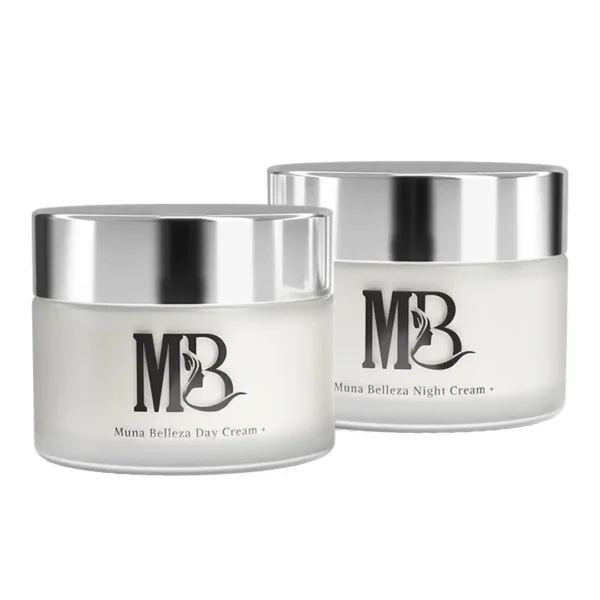
- The day cream in the Day and Night Cream Set has niacinamide, panthenol, licorice, aloe and shea butter with no fragrance listed. Hold off on the night cream during a flare, as it contains vitamin C and fragrance.
Common questions
Does face redness go away?
Redness from heat, exercise or a single irritating product usually fades within hours to a couple of weeks once the trigger is gone. Redness from rosacea comes and goes over years, but treatment and avoiding triggers can keep it mild.
Is ice good for a red face?
Not directly on the skin. Extreme cold can shock the small blood vessels and leave you redder once you warm up. A cloth soaked in cool water works better.
Why does my face go red after the gym or the sun?
Your body widens blood vessels in the skin to release heat, which is normal flushing. If it takes more than an hour to fade, or happens with very little heat, mention it to a doctor, as it can be an early sign of rosacea.
Can niacinamide cause redness?
At high strengths it can make reactive skin flush or sting, especially at first. Lower-strength products and slow introduction, every other day for the first two weeks, are usually tolerated well.
What causes redness after shaving?
Razor friction, a blunt blade and dry shaving all irritate skin. Shave after a warm shower, follow the hair’s direction, rinse with cool water and use a fragrance-free moisturizer straight after.
Every order ships free across the UAE, with card, Apple Pay or cash on delivery.
Learn more about our sensitive skin care.
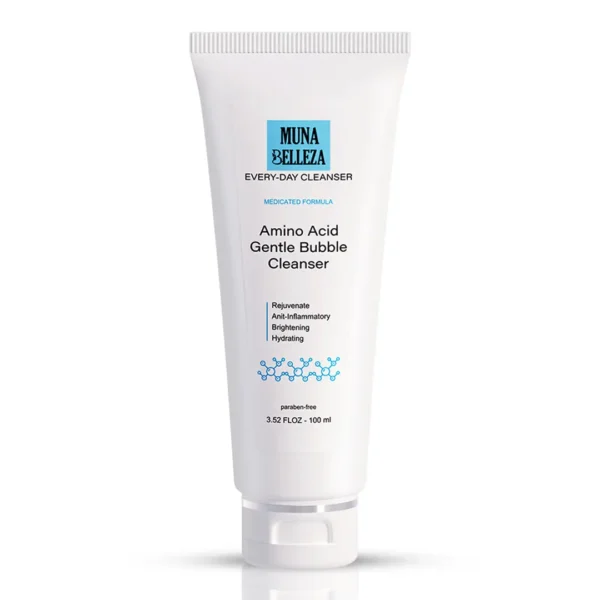 Gentle cleanser
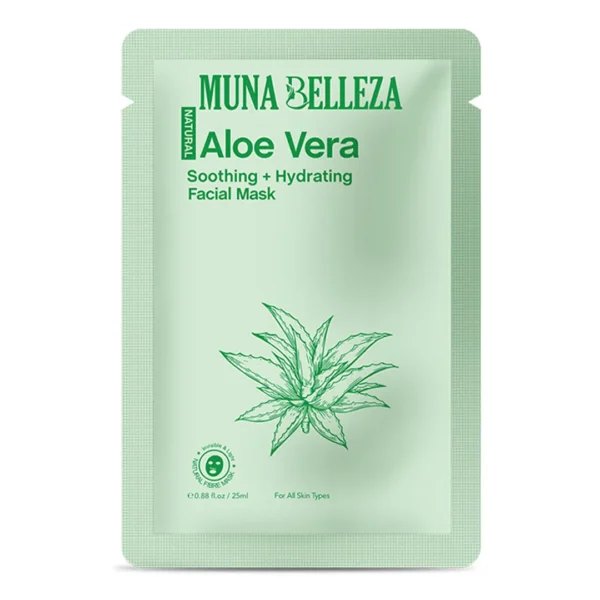 Soothing mask
 Day and night cream