Betaine is one of those ingredients nobody buys a product for, yet it turns up in a surprising number of good formulas. You’ll find it in serums, creams, masks and even gentle cleansers, usually somewhere in the middle of the list.
It deserves more credit. Betaine keeps skin from losing moisture, makes formulas feel lighter, and in cleansers it can take the edge off harsh foaming agents. Here’s what it is, what the studies actually show, why it’s not the same as the betaine in your shampoo, and how to get the most from it. If you’d like to see it working in a real formula, our hydrating serum pairs it with hyaluronic acid and vitamin C.
What is betaine in skincare?
Betaine (also called trimethylglycine) is a small molecule made from the amino acid glycine. It was first found in sugar beet, which is where the name comes from, and most cosmetic betaine is still made from beet molasses left over from sugar production. On a label it’s written simply as Betaine.
Nature uses it as an osmolyte. Plants growing in salty soil, sea creatures and even our own skin cells build it up to keep their water balance steady when the world around them is dry or salty. Skin cells can also absorb it from outside, which helps explain why it earns a place in skincare.
What betaine does for your skin
- Keeps skin hydrated. It’s a humectant, so it pulls moisture into the skin’s surface, and as an osmolyte it helps cells keep that water when the air is dry. That matters in UAE homes and offices, where the AC runs all day.
- Feels light, not sticky. Formulators often add it next to glycerin because it gives a smooth, silky feel without the tacky finish heavy humectants can leave.
- Makes cleansers kinder. In patch tests on volunteers, the liquid soaps that contained betaine were the least irritating of the ones tested.
- Protects skin proteins. Lab work shows osmolytes like this help proteins keep their shape under stress such as heat, pH changes and detergents. This is early, test-tube evidence, so treat it as a bonus rather than a promise.
What it won’t do: it doesn’t fade dark spots, lift sagging skin or replace sunscreen. It’s more of a supporting act that helps the rest of a formula feel comfortable and keeps your skin’s water level up.
Betaine vs cocamidopropyl betaine
This trips up a lot of label readers. Cocamidopropyl betaine is a mild foaming cleanser made from coconut oil. It shares part of the name but works in a completely different way: it lifts away oil and dirt and gets rinsed off. Plain betaine is the moisturising osmolyte this article is about.
You can see both in our own range. Our Turmeric Face Wash uses cocamidopropyl betaine to create its lather, while the Amino Acid Gentle Bubble Cleanser contains the moisturising kind to help keep skin comfortable after washing. If you react to cocamidopropyl betaine, that tells you nothing about how you’ll get on with the moisturising one.
Is betaine good for sensitive skin?
For most people, yes. It’s one of the mildest ingredients in cosmetics, irritation from it is rare, and the cleanser studies above suggest it can even soften the sting of other ingredients. That makes it a sensible thing to look for if you have sensitive skin or your cheeks feel tight once you’ve washed.
One thing worth knowing: in one of those studies, adding more of it didn’t make the soaps any gentler. A sensible amount does the job, so a product doesn’t need to lead with it. And if a product containing it does bother you, look at the rest of the list first. Fragrance, essential oils and strong acids are far more likely causes.
Betaine and trehalose
In our Double Vitamin C Serum, betaine sits right next to trehalose, another moisture helper worth knowing about. Trehalose is a sugar made of two glucose units. Tiny tardigrades and the so-called resurrection plant build it up to survive drying out almost completely, because it shields proteins and cell membranes while water is missing.
Its strongest human evidence comes from the eye rather than the face: eye drops that combine trehalose with hyaluronic acid have helped people with dry eyes in clinical studies. On skin, most research so far is lab work, and trehalose doesn’t travel far into the outer layer on its own. Inside serums and creams its main job is that of a gentle humectant, helping hold water at the surface. That’s a useful supporting role rather than a headline active: nothing to avoid, but nothing to seek out specially either. Like betaine, it belongs to the family of protective small molecules that cells use under stress, which is why formulators often pair the two.
How to use it
- Pick a format that stays on. In a cleanser it mainly protects your skin while you wash. For lasting hydration, a serum or cream works better because it isn’t rinsed away.
- Apply to slightly damp skin after cleansing, so there’s water for it to hold on to.
- Seal it in. Follow with a moisturizer, and sunscreen in the morning. Humectants work best under a cream in dry, air-conditioned rooms.
- Combine freely. There are no known clashes. It sits happily with vitamin C, niacinamide, retinol, hyaluronic acid and exfoliating acids, morning or night.
For more on humectants that partner well with it, see our guides to hyaluronic acid and beta glucan.
Our products that contain it
- Double Vitamin C Serum: it’s 7th of 18 ingredients, working with glycerin, hyaluronic acid and trehalose to keep this vitamin C serum hydrating rather than drying. No added fragrance.
- Day and Night Cream Set: you’ll find it in the night cream, alongside niacinamide, panthenol and hyaluronic acid. The day cream doesn’t include it. The night cream has added fragrance.
- Dark Spot Correcting Serum: it sits alongside the brightening actives, niacinamide and arbutin, as a hydrating helper. Contains fragrance.
- Amino Acid Gentle Bubble Cleanser: a fragrance-free foaming cleanser where it helps keep your face from feeling stripped.
If your skin is reactive, try products with fragrance on a small patch of skin for a couple of days before using them all over.
Common questions
Does betaine clog pores?
It isn’t known to. It’s water-soluble and very light, so it suits oily and acne-prone complexions as well as dry ones.
Betaine or glycerin: which is better?
They make a good team rather than rivals. Glycerin is the stronger water magnet, while this one adds a lighter feel and helps cells cope with dry air. Many formulas, including ours, use both.
Is betaine natural?
The cosmetic grade is usually made from sugar beet molasses, though it can also be made in a lab. Both forms are the same molecule and behave identically on skin.
Does betaine work with vitamin C or retinol?
Absolutely. It doesn’t react with either, and its calming, hydrating side may help strong actives feel easier to tolerate.
Is betaine the same as betaine salicylate?
No. Betaine salicylate is a gentle exfoliating acid made by joining betaine to salicylic acid. The plain form doesn’t exfoliate at all.
Every order ships free across the UAE, with card, Apple Pay or cash on delivery.
Learn more about our Korean face serums.
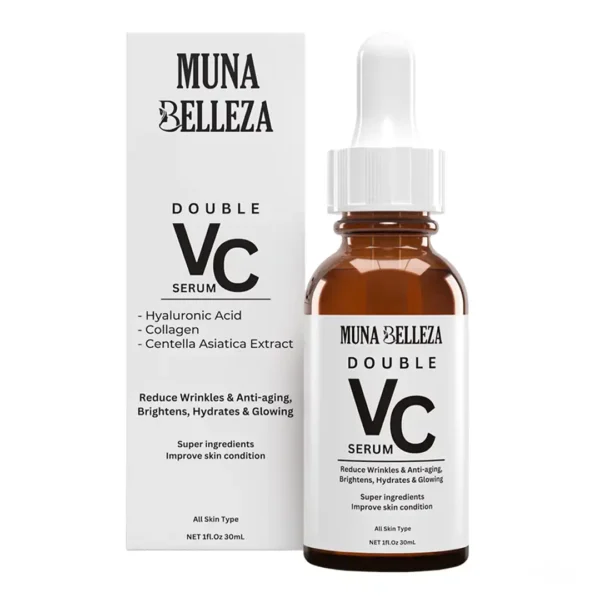 Hydrating serum
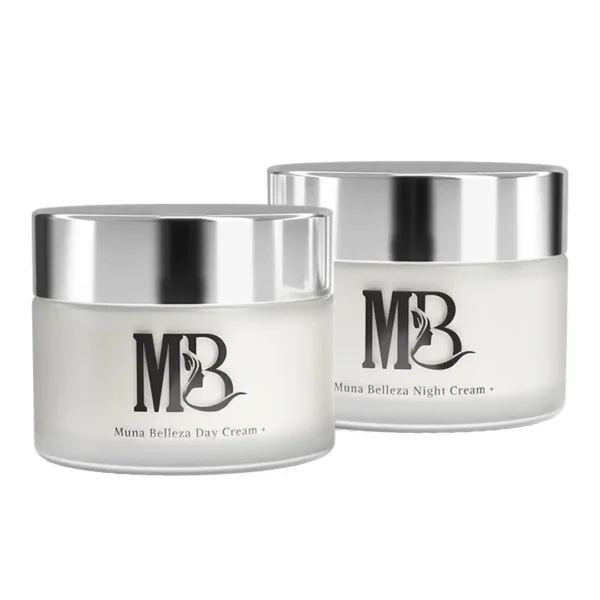 Day and night cream
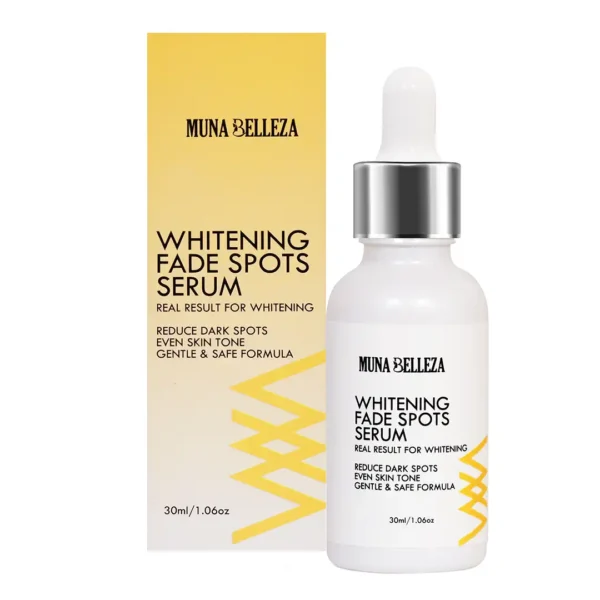 Dark spot serum