Want the benefits of vitamin A but nervous about the peeling and redness retinol is famous for? Then you’ve probably come across retinyl palmitate, often sold as the “gentle” vitamin A. It’s in plenty of creams, masks and serums, usually with big anti-ageing promises attached.
The truth sits in the middle. It is much gentler than retinol, and it’s also much weaker. Here we explain what it is, how it compares, what the safety questions are about, and when it makes sense to choose it. If you’d like a soft introduction, our collagen face mask includes a little alongside peptides and hydrators.
What is retinyl palmitate?
It’s vitamin A (retinol) joined to palmitic acid, a fatty acid. This pairing is how your body actually stores vitamin A, including inside your skin. Because it’s the most stable vitamin A ester, it’s easy to add to creams and lotions without breaking down quickly, which is why brands like it. On a label it appears simply as Retinyl Palmitate.
How it works in skin
Skin can only use vitamin A in its active form, retinoic acid. Every cosmetic retinoid has to be converted step by step to get there:
retinyl palmitate → retinol → retinal → retinoic acid
The palmitate form sits furthest back in that chain, so it needs the most conversion steps, and only a small fraction makes it all the way. That’s exactly why it rarely irritates, and also why its results are modest. At best, regular use may help skin feel smoother and look a little more even. Don’t expect it to rival a proper retinol on deeper lines.
Retinyl palmitate vs retinol
A study on human skin made the gap very clear. Under a covering dressing, it took about 0.6% retinyl palmitate to produce the same measurable retinoid effect in skin as just 0.025% retinol. None of the forms tested caused redness at those levels, but retinol got the job done with far less.
- Choose the gentle ester if your skin is very sensitive, you’re in your twenties and want an easy first step, or retinol has always left you red and flaky.
- Choose retinol if fine lines, sun damage or uneven texture are your main concern and your skin can handle a slow build-up.
For the bigger picture on lines and what really shifts them, read our guide to wrinkles. If expression lines are your focus, peptides are another gentle option, explained in our argireline article.
Sun, safety and the EU limits
You may have read that retinyl palmitate is risky in the sun. This comes from a US government study in hairless mice that are bred to develop skin tumours easily. Mice given the vitamin A cream plus simulated sunlight developed skin lesions earlier than mice given the plain cream. Notably, the plain cream on its own also increased lesions, and these results have not been shown in people. Still, it’s a good reason to treat vitamin A as a night-time ingredient and to wear sunscreen every day, which you should be doing anyway in the UAE.
Europe also regulates vitamin A in cosmetics now, mainly so people don’t get too much from food plus skincare combined. Face products may contain up to 0.3% retinol equivalent (roughly 0.6% retinyl palmitate), body lotions much less, and packs must say “Contains vitamin A. Consider your daily intake before use.”
Is retinyl palmitate safe in pregnancy?
High doses of vitamin A taken by mouth are known to harm an unborn baby, which is why doctors are careful about all retinoids during pregnancy. Very little of this ester is absorbed through the skin, but because the evidence in pregnancy is limited, many doctors recommend pausing vitamin A skincare while pregnant or breastfeeding. Please check with your doctor first before reaching for any product that contains it, our collagen mask included.
How to use it
- Use it in the evening, on clean, dry skin.
- Start slowly if you have reactive skin: a few evenings a week at first, then build up if all is well.
- Don’t stack vitamin A products. If you already use a retinol, you don’t need a second vitamin A product on the same night.
- Moisturize afterwards, and apply broad-spectrum SPF 30+ every morning.
In our range
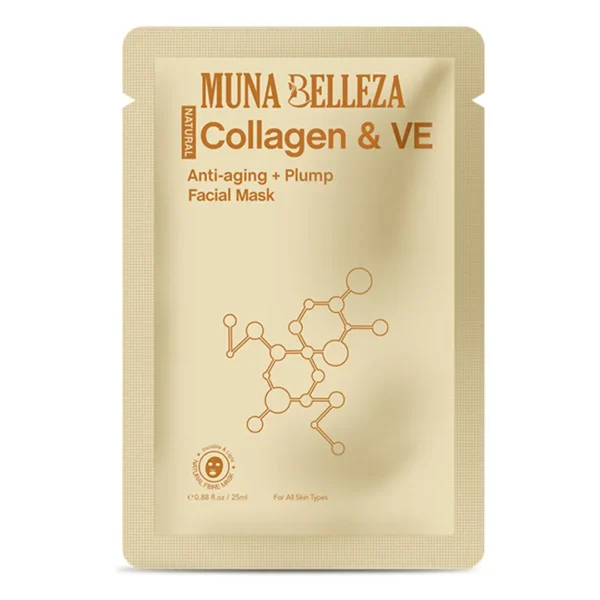
Our Collagen Face Mask contains retinyl palmitate in the last third of its ingredient list, so it’s a small, supporting amount rather than a retinol treatment. The mask’s main work comes from beta glucan, hyaluronic acid, hydrolysed collagen and the peptide acetyl hexapeptide-8 (argireline), which together give skin a plumper, smoother look for an evening out. The formula is fragranced, so test it on a small area of skin before the first full use.
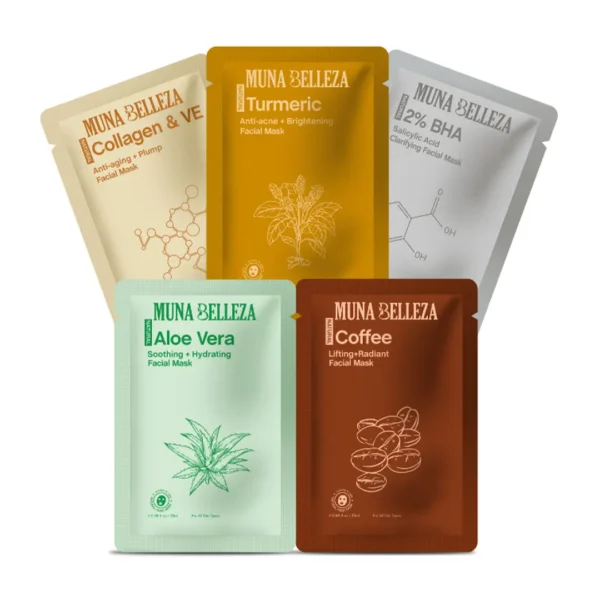
It’s also one of the five sheets in our Korean Face Mask Sheets (Pack of 5), handy for rotating it with other masks.
More questions
Does retinyl palmitate cause purging?
Rarely. Because it’s so mild, most people don’t get the flaky, breakout-prone adjustment period (skin purging) that stronger retinoids can bring.
Can I pair it with vitamin C?
Yes. An easy split is to keep vitamin C for your daytime routine and save vitamin A for after dark.
Is retinyl palmitate good for acne?
It’s not a proven acne treatment. Prescription retinoids help acne; this gentle form is better thought of as a smoothing, anti-ageing helper.
At what age should I start?
There’s no fixed age; people often begin somewhere between 25 and 35. Daily sunscreen matters more at any age.
Is it the same as “vitamin A” on a label?
Not exactly. Vitamin A can mean retinol, retinyl acetate or retinyl palmitate. Check the full ingredient list to see which form is used.
Every order ships free across the UAE, with card, Apple Pay or cash on delivery.
Browse our full sheet mask range.
 Collagen face mask
 Mask pack of 5
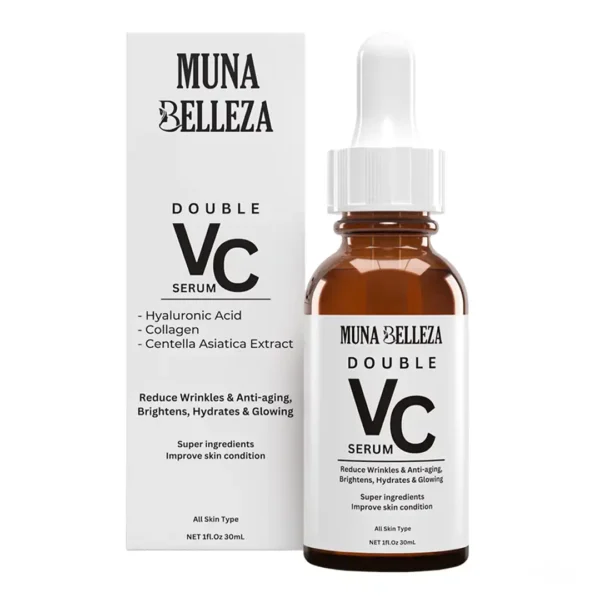 Vitamin C serum