Pick up almost any moisturizer, serum or sheet mask and read the ingredients. Very often the second word after water is glycerin. It’s so common that most people skip right past it, yet few hydrators have been studied as thoroughly or work as reliably.
This guide looks at what glycerin for face care actually does, how it compares with hyaluronic acid, whether pure glycerin is a good idea, and how to make it work harder for you in a dry, air-conditioned climate. If your skin feels tight by midday, a face cream for dry skin with it high on the list is one of the simplest fixes.
What is glycerin?
Also known as glycerol, it’s a clear, odourless, slightly sweet liquid. Your own skin makes some of it, and it’s part of what keeps the outer layer soft and flexible. For cosmetics it’s usually produced from plant oils such as coconut or palm, though it can also come from animal fats or be made synthetically. All three are the same molecule. If the source matters to you, for example for halal reasons, it’s fair to ask the brand directly.
It’s a humectant, meaning it draws moisture towards itself and keeps it in the skin’s upper layers. Because the molecule is small, it moves into the outer layer rather than just sitting on the surface.
Is glycerin good for your face?
Yes, for nearly every skin type. Decades of research back it up:
- It raises skin hydration. In a double-blind study, 17 volunteers used a cream with 20% glycerin on one arm and the same cream without it on the other. After ten days, the treated side was measurably better hydrated.
- It supports the skin barrier. Reviews describe how it helps barrier repair, keeps skin more elastic and helps the outer layer shed dead cells evenly, which is why flaky patches smooth out.
- It’s gentle. In a larger trial of 197 people with eczema-prone dry skin, a glycerin cream improved dryness as well as a medical urea cream did, and fewer people felt the sharp, prickly “smarting” sensation the urea cream caused.
- It suits oily skin too. It’s water-soluble and has no record of blocking pores, so it hydrates without adding grease.
Its limits: it won’t lighten dark spots, clear acne or lift wrinkles. It simply keeps skin well hydrated, which makes skin look smoother and more comfortable and helps other ingredients feel easier to tolerate.
Glycerin vs hyaluronic acid
Both pull water into the skin, so people often ask which is better. They work a little differently:
- Glycerin is a tiny molecule that gets into the outer layer of skin and hydrates it from within. It’s inexpensive, very well studied and slightly richer in feel.
- Hyaluronic acid is a much larger molecule that mostly sits on the surface, holding water there and giving a fresh, plump look. Smaller forms such as sodium hyaluronate reach a bit deeper.
You don’t have to choose. Most good hydrating formulas use both, often with partners such as betaine or panthenol. For more on the other half of the pair, read our guide to hyaluronic acid.
Can you use pure glycerin on your face?
You can, though it’s far from ideal. Undiluted glycerin is thick and very sticky, it attracts dust, and on its own it doesn’t seal water in. Creams balance it with oils and other emollients so the moisture it pulls in can’t easily escape.
Mixing a few drops into rose water is a popular home toner across the Gulf and South Asia. Used sparingly, it’s generally harmless, but keep it well diluted, use a clean bottle, make small batches, and patch test first, since some rose waters contain fragrance that can irritate sensitive skin. A ready-made formula is more pleasant to use and more stable.
Getting it right
- Apply to damp skin. Use it while your face is still a little wet from cleansing or toner, so it has moisture ready to hold.
- Lock it in. Follow with a cream or lotion, especially in AC or on long flights, so moisture doesn’t escape.
- Match the texture to your skin. Oily skin often does best with it in a light serum or gel; dry skin with a richer cream.
- Finish with SPF in the morning, as always.
Choosing a full moisturizer? Our article on picking a moisturizer for dry skin shows how humectants like this one team up with oils and ceramides.
Glycerin across our range
It really is in almost everything we sell. Here’s where it sits on our ingredient lists:
- Sheet masks (Aloe Vera, Collagen, Salicylic Acid and Coffee): second ingredient after water, so every mask is a strong hydration boost. These masks contain fragrance.
- Amino Acid Gentle Bubble Cleanser: second ingredient, which helps the cleanser rinse off without that squeaky, tight feeling. Fragrance-free.
- Double Vitamin C Serum: third ingredient, paired with hyaluronic acid so the serum feels soft rather than stripping. Fragrance-free.
- Dark Spot Correcting Serum: third ingredient; this one is fragranced.
- Day and Night Cream Set: in both creams, alongside shea butter and plant oils by day and hyaluronic acid and argan oil by night. The night cream contains fragrance.
Of the products whose full ingredient lists are on our site, only the Turmeric Face Wash doesn’t include it.
FAQs
Does glycerin clog pores?
No, it isn’t considered pore-clogging. If a product containing it breaks you out, look at the oils, waxes or fragrance in it instead.
Is glycerin good for oily skin?
Yes. Even oily complexions run short of water, particularly in AC. A light, glycerin-based serum or gel adds water without adding oil.
Can I leave glycerin on my face overnight?
Yes, inside a moisturizer. Used neat overnight, it tends to feel sticky and transfer onto your pillow.
Does glycerin lighten skin?
Not at all. Well-watered skin bounces light back more smoothly, so it may look fresher, but melanin and pigmentation stay the same.
Is vegetable glycerin better than synthetic?
For your skin, no. They are chemically identical. The difference only matters for personal, ethical or religious preferences.
Every order ships free across the UAE, with card, Apple Pay or cash on delivery.
See all our face creams and moisturizers.
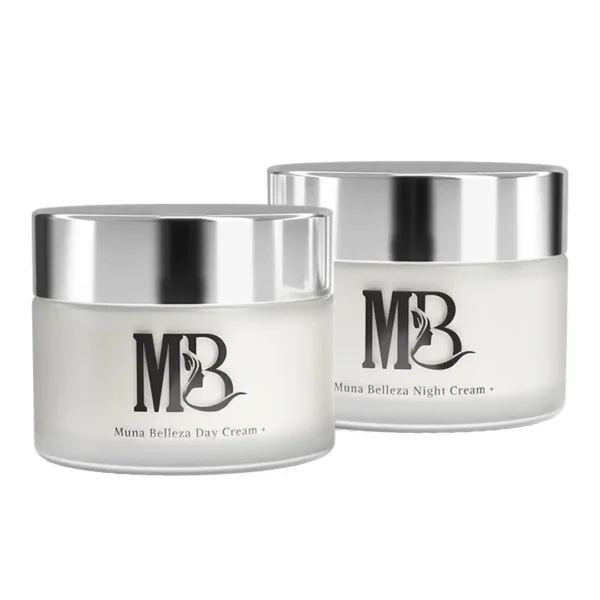 Moisturizing cream set
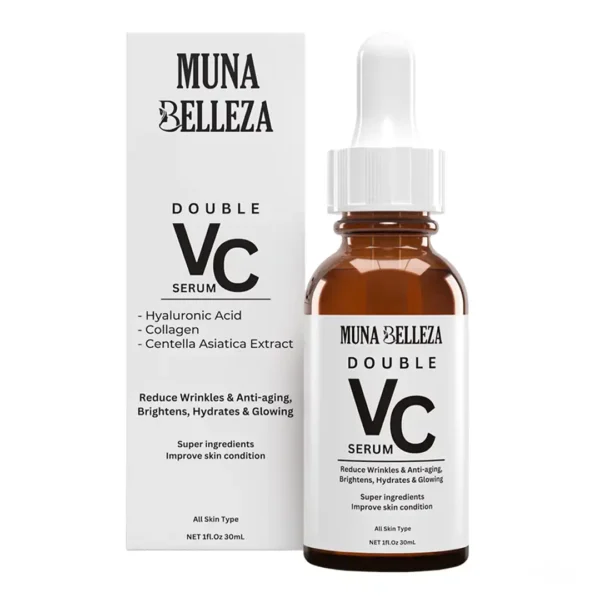 Vitamin C serum
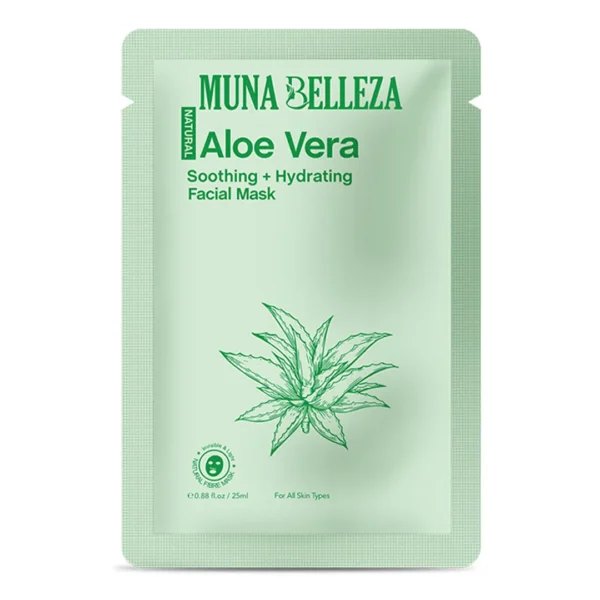 Aloe vera mask