A long afternoon at the beach, a desert trip or an hour by the pool without topping up your sunscreen, and by evening your cheeks, nose and forehead are hot, tight and sore. Knowing how to treat sunburn on face skin properly makes the next few days far more comfortable, and it lowers the chance of peeling, dark patches and lasting irritation.
Below you’ll find the right moves for the first hours, how to calm burnt facial skin at home, what to keep away from it, how long healing takes and the signs that mean you need a doctor rather than another layer of aloe. If your skin is usually reactive, our guide to face redness is a useful companion.
How to treat sunburn on face: the first few hours
- Get out of the sun, ideally indoors. A burn keeps developing for several hours after exposure, so the earlier you stop, the better.
- Cool the skin. Splash your face with cool (not icy) water or press a clean, damp cloth against it for around a quarter of an hour, repeating several times daily. Pat dry gently and leave the skin slightly damp.
- Moisturise while it’s still damp with a light, fragrance-free product. The American Academy of Dermatology suggests moisturisers containing aloe vera or soy.
- Drink more water than usual. A burn draws fluid towards the skin, and in UAE heat dehydration comes on quickly.
- Consider a pain reliever such as ibuprofen to ease swelling and soreness, if it’s safe for you; check with a pharmacist if you have other conditions or take regular medicines.
Sunburn on face treatment at home
For mild to moderate burns, simple care works best:
- Cool compresses through the day whenever the heat builds up again.
- Aloe vera for sunburn: a gel or leave-on mask feels cooling and adds moisture. Chilling it first makes it even more comforting. It soothes rather than heals, so think of it as relief. Our guide to aloe vera uses for face separates real benefits from hype.
- Panthenol (vitamin B5) helps calm and support damaged skin; read more in our panthenol guide.
- A gentle cleanser once a day with lukewarm water, no scrubbing, no cleansing brushes.
- A low-strength hydrocortisone cream from the pharmacy can help with itching and inflammation for a few days on small areas. Avoid the eye area, and get a pharmacist’s advice before you start.
What to keep off burnt facial skin
- Actives: retinol, exfoliating acids, scrubs and strong vitamin C serums until the skin has fully healed.
- Heavy, greasy layers such as petroleum jelly in the first day or two; dermatologists warn they can trap heat in the skin.
- “-caine” numbing creams (such as benzocaine), which can irritate or cause allergic reactions.
- Fragrance and alcohol-based toners, which sting on raw skin.
- Home remedies like lemon, toothpaste, vinegar or ice applied directly. They irritate, and ice can injure already damaged skin.
- Make-up, if you can manage without it for a few days.
Sunburn on face peeling and swelling
Peeling usually starts a few days after the burn, as the damaged top layer sheds. Let it come away on its own: picking or pulling flakes leaves raw patches and, on medium to deep skin tones, can trigger dark marks. Keep moisturising and use a soft towel.
Mild puffiness around the eyes and cheeks is common in the first day or two. Sleeping with your head slightly raised and using cool compresses helps. Swelling that’s severe, spreading or affecting your eyes needs a doctor (see below).
On darker skin, a burn may look less red and more like darkening, tenderness and tightness. It’s still a burn and deserves the same care.
How long does sunburn on face take to heal?
Redness and soreness usually peak within a day or two. Mild sunburn generally settles within about a week, while burns with swelling or blisters can take longer. Sensitivity can linger for some days after the redness fades, so keep your routine simple until your skin feels normal again.
After-sun care for face: the next two weeks
Once the heat and pain have settled, focus on repair:
- Keep using a fragrance-free moisturiser twice a day, ideally with panthenol, glycerin or ceramides.
- Bring back actives slowly, one at a time, once the skin no longer stings.
- Protect the healing skin from any more sun: shade, a wide-brimmed hat and sunscreen.
A burn can leave your skin barrier weaker for a while. Our skin barrier guide explains how to rebuild it gently. For after-sun care for sensitive skin, keep products short, plain and fragrance-free.
When to see a doctor
Most facial sunburn can be managed at home, but get medical advice promptly if:
- The skin blisters, especially over a large area or on the face.
- Your face or eyelids are badly swollen, or your eyes are painful and sensitive to light.
- You have a high temperature, chills, headache, nausea or dizziness, which can signal heat exhaustion or a severe burn.
- You feel confused or faint, have a rapid pulse, or are passing very little urine.
- The burn shows signs of infection: increasing pain, pus or spreading redness.
- A baby or young child is sunburnt.
For confusion, fainting or a very high temperature, treat it as an emergency and call 998 for an ambulance in the UAE.
Preventing the next sunburn
- Wear broad-spectrum protection rated SPF 30+ on your face, ears and neck daily, and reapply about every two hours outdoors and after swimming or sweating.
- Plan beach, pool and desert time for early morning or late afternoon, when UV is lower.
- Add shade, a wide-brimmed hat and sunglasses; water and sand reflect sunlight back onto your face.
- Remember that you can burn on cloudy or windy days, and through long drives with the window down.
Sunscreen isn’t something we produce, so pick a broad-spectrum formula you’re happy to wear daily; a texture you like is the one you’ll actually reapply.
Our picks for sunburn recovery
- Aloe Vera Face Mask: one soaked sheet carrying aloe, glycerin, panthenol, beta-glucan, centella and hyaluronic acid. Chill it in the fridge for a cooling, hydrating layer once the burn has stopped stinging. Because it’s fragranced, test a small patch beforehand and never place it on blistered or broken areas.
- Day and Night Cream: its daytime jar suits after-sun care well, combining panthenol, soybean oil, shea butter, aloe and licorice, no petroleum and no added fragrance. Leave the night cream (vitamin C, arbutin and fragrance) until your skin has fully healed. Note that neither jar offers sun protection.
Common questions
What is the fastest sunburn on face remedy?
Get out of the sun, cool the skin with cool water or compresses, moisturise while damp and drink water. Nothing truly speeds up healing, but this makes it more comfortable and lowers the risk of complications.
Is aloe vera good for sunburn on the face?
Yes, as soothing relief. Choose a plain gel or an aloe product without alcohol, and stop if it stings.
Can I put ice on a sunburnt face?
Not directly. Use cool water or a damp cloth instead; ice can damage burnt skin.
Should I use a sunburn on face cream with petroleum?
Avoid heavy petroleum products for the first day or two. A light, fragrance-free cream or gel is better while the skin is hot.
Will sunburn leave dark marks?
It can, especially on medium to deep skin tones or if you pick at peeling skin. Protecting the area from the sun while it heals lowers the risk; our hyperpigmentation guide covers fading any marks.
Cool it, calm it, and give your skin time. Free delivery across the UAE, with card, Apple Pay or cash on delivery.
Browse our sheet masks for gentle hydration once your skin has settled.
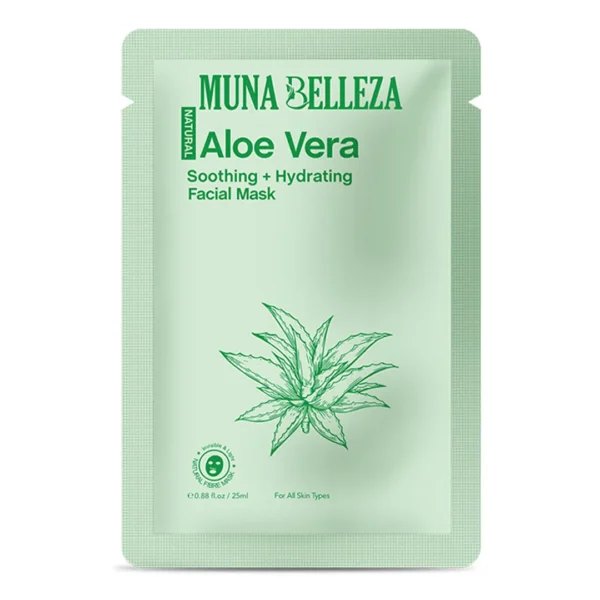 Aloe vera mask
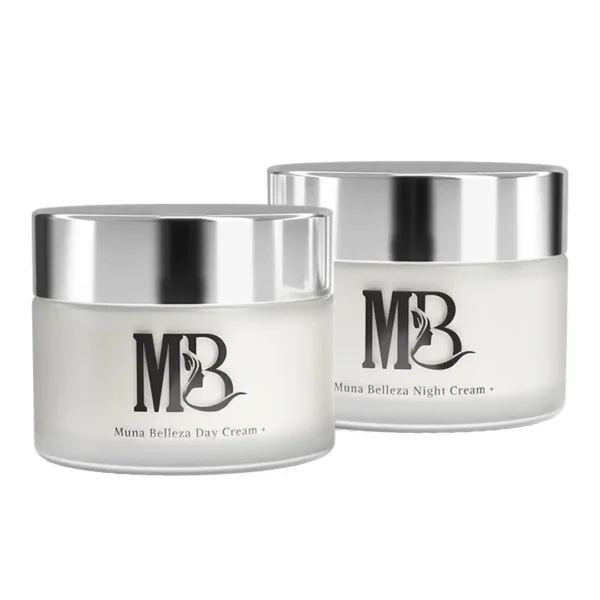 Day and night cream
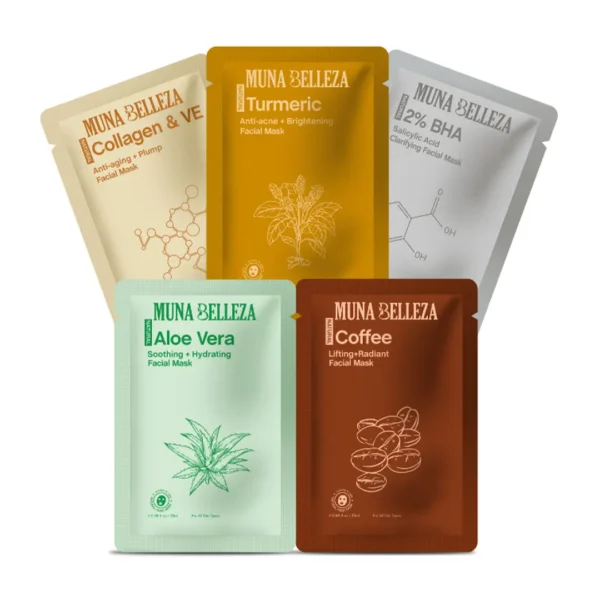 Sheet mask pack