When you’re breaking out, adding a cream to your face can feel like the last thing you should do. But the best moisturizer for acne prone skin doesn’t cause spots; it helps your skin cope with them. It keeps the skin barrier healthy, calms redness, and makes acne treatments like salicylic acid, benzoyl peroxide and retinoids much easier to tolerate.
This guide explains how to pick a moisturiser that won’t clog pores, which ingredients actually help acne-prone skin, how to choose for oily, dry or sensitive skin, and how to layer it with your treatments. For the full picture on breakouts, start with our acne guide.
Why acne-prone skin still needs moisturiser
- Acne treatments dry the skin. Salicylic acid, benzoyl peroxide and retinoids often cause dryness, peeling and stinging. Dermatologists recommend moisturisers alongside them because people who are comfortable keep using their treatment.
- A damaged barrier is more inflamed. Dry, irritated skin turns red more easily, and inflammation is part of every red pimple.
- Dehydrated skin can look oilier. Stripped skin may produce more oil, especially if you over-wash in the UAE heat.
A moisturiser works best on skin that’s been cleaned gently. If you’re oily and breakout-prone, a mild gel wash such as our face wash for oily skin keeps the base right before you moisturise.
What “non-comedogenic” really means
“Non-comedogenic” means a product is designed not to clog pores. It’s a useful starting point, but there’s no single official test, and those online lists that score single ingredients from 0 to 5 are based on old, extreme tests that don’t reflect finished products. The best check is your own skin: use a new moisturiser on its own for two to four weeks. If you see new small bumps or blackheads where you apply it, it isn’t for you.
Ingredients that help
- Niacinamide: calms redness and helps with oil. In one trial, a 4% niacinamide gel improved inflammatory acne about as well as a topical antibiotic gel. See niacinamide.
- Glycerin and hyaluronic acid: light hydrators that don’t feel greasy.
- Ceramides: help repair a barrier stressed by acne treatments.
- Panthenol, centella and allantoin: soothing ingredients for red, irritated skin. More in our guide to cica.
- Zinc: sometimes added for its calming effect on oily skin.
Ingredients to go easy on
- Heavy oils and butters such as coconut oil, cocoa butter and thick shea creams, especially on oily skin.
- Strong fragrance and essential oils, which can irritate skin that’s already inflamed.
- Too many actives at once. If your acne treatment already contains acids or retinoids, your moisturiser doesn’t need them too.
Choosing by skin type
Oily, acne-prone skin
The best moisturizer for oily acne-prone skin is a light gel or gel-cream that sinks in within a minute and leaves no film. Niacinamide is a big plus. Our best moisturizer for oily skin guide covers textures in detail.
Dry, acne-prone skin
Dry skin and acne often go together, usually because of acne treatments. Choose a slightly richer, fragrance-free cream with ceramides or glycerin, and apply it generously around the nose and mouth where peeling starts.
Sensitive, acne-prone skin
Look for the shortest ingredient list you can find: no fragrance, no alcohol, no essential oils, plus soothing ingredients like panthenol or centella. Patch-test everything.
Combination, acne-prone skin
A light gel-cream all over, with an extra thin layer on dry cheeks. Keep heavier creams off the T-zone.
Korean, drugstore and natural options
Many Korean moisturisers use light gel-cream textures with soothing ingredients, which suits acne-prone skin well. Affordable drugstore moisturisers can be just as good; price says little about pore-clogging. “Natural” moisturisers aren’t automatically safer, as plant oils and essential oils are common triggers.
How to use moisturiser with acne treatments
- Wash gently and pat dry.
- Apply your acne treatment on fully dry skin, as directed.
- Wait a few minutes, then apply moisturiser.
- If your treatment stings or peels badly, try the “sandwich”: a thin layer of moisturiser, then the treatment, then moisturiser again.
Using salicylic acid? Our salicylic acid guide explains how to fit it in. Tea tree fan? See tea tree oil for acne.
Day moisturiser and sunscreen
The best day moisturiser for acne-prone skin is light enough to wear under sunscreen, or a non-comedogenic moisturiser with SPF. Sunscreen matters even more if you use retinoids or acids, and because UAE sun darkens the marks pimples leave behind. For marks and scars, a moisturiser alone won’t fade them; see our guide to the best cream for acne scars and dark spots.
Our picks
Honest note: we don’t make a dedicated moisturiser for acne-prone skin yet. These are the products that fit well around one:
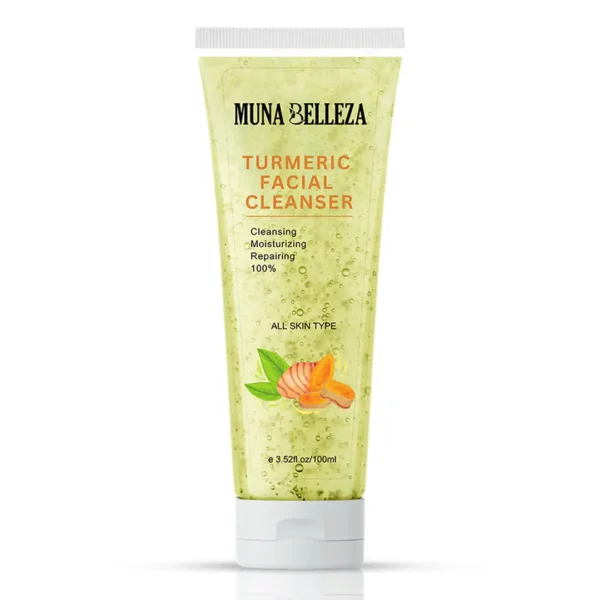
- Turmeric Face Wash: a sulphate-free gel with turmeric, tea tree oil, aloe and sodium hyaluronate, for oily, breakout-prone skin. A daily wash, not an acne treatment; patch-test first because of the tea tree oil.
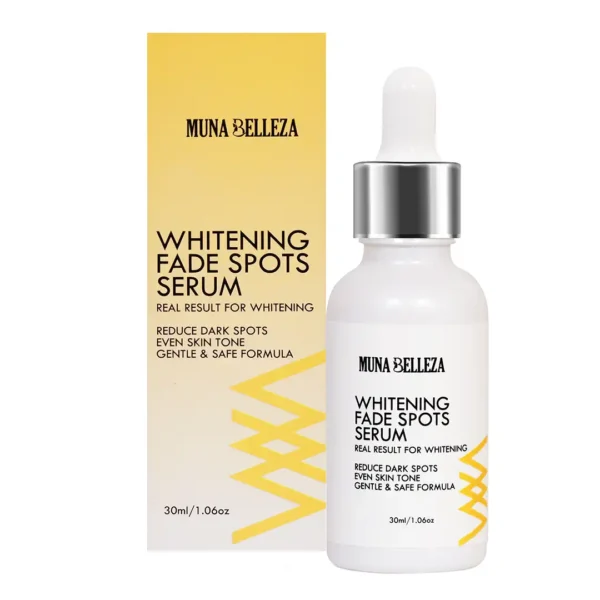
- Dark Spot Correcting Serum: niacinamide with arbutin and hyaluronic acid, under your moisturiser at night to calm redness and fade marks. It contains a light fragrance, so patch-test first.
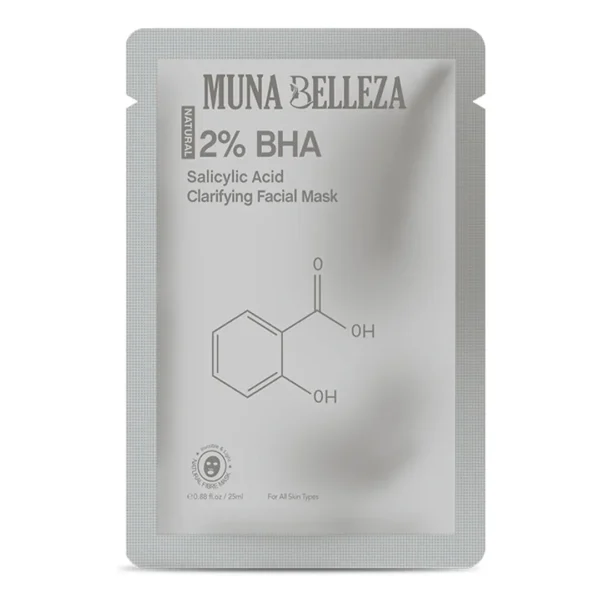
- Salicylic Acid Face Mask: a weekly rinse-off sheet mask for clogged pores. Don’t use it on the same night as other exfoliants.
Our Day and Night Cream set includes a light niacinamide night gel-cream, but the day cream is richer, with shea butter, so it suits normal to dry skin better than oily, acne-prone skin.
Common questions
Can moisturiser cause acne?
A heavy or pore-clogging one can. A light, non-comedogenic moisturiser that suits your skin shouldn’t, and usually makes acne treatments easier to use.
Should I moisturise if I have oily, acne-prone skin?
Yes. Choose a light gel and use a small amount. Skipping moisturiser often leads to irritation, especially with acne treatments.
What’s the best face cream for acne scars?
Moisturisers don’t fade scars or marks. Brightening serums help with dark marks; true pitted scars need in-clinic treatment.
Is a gel or cream better for acne-prone skin?
Gel or gel-cream for oily skin, a light cream for dry or treatment-dried skin.
How long should I test a new moisturiser?
Two to four weeks on its own, without changing other products, so you can see if it causes new bumps.
Ready to calm your breakouts without drying your skin? Start with a gentle wash and a light moisturiser that suits your skin type, with free delivery to every emirate and cash on delivery.
Learn more about our products for oily, acne-prone skin.
 Face wash for oily skin
 Niacinamide serum
 Salicylic acid mask