Collagen is the reason young skin looks firm, springy and smooth. So when lines appear and the face starts to look a little hollow, it makes sense to go looking for collagen for skin: creams, ampoules, sheet masks, powders. The catch is that a label saying “collagen” can mean very different things, and some promises are bigger than the science behind them.
This guide sorts it out honestly: what collagen does inside your skin, why you lose it, what collagen products can and can’t do on the surface, and the ingredients and habits that genuinely help your face keep and make more of it. If you just want an instant hydration boost before an evening out, our collagen sheet mask is the easy place to start.
What collagen is and why your face needs it
Collagen is a protein your body makes. In the dermis, the layer under the surface, collagen fibres form a dense mesh that gives skin its strength, while elastin lets it bounce back and water-holding molecules like hyaluronic acid keep it plump. Together they decide how firm and smooth your face looks. When that support weakens, the result can be lines or sagging skin, which needs a different plan.
Your skin is constantly breaking old fibres down and building new ones. When you’re young, building keeps pace. With time, it doesn’t.
Collagen loss in the face: what speeds it up
From roughly your mid-20s, production slows a little every year, and research comparing young and older skin shows aged skin makes noticeably less new collagen. On top of normal ageing, a few things speed up collagen loss in the face:
- Sun. UV light breaks down existing collagen and slows new production. It’s the biggest factor you can control, and here in the UAE, with strong UV for most months, it matters even more.
- Smoking, including shisha, which narrows blood vessels and adds oxidative stress.
- High sugar intake, which over time stiffens collagen fibres through a process called glycation.
- Poor sleep and constant stress, which slow the skin’s repair work.
- Hormonal change, especially after menopause, when collagen drops faster for a few years.
The result shows up as fine lines, looser skin along the jaw and neck, and a face that looks less full.
Collagen benefits for skin, inside and out
It helps to separate the collagen in your skin from the collagen in a jar. The collagen your body makes is what keeps the face firm, smooth and resilient. The kind in a jar has a different job altogether: it works as a moisturiser.
The real collagen benefits for skin from topical products are:
- Better hydration, because it holds water on the surface.
- A smoother, softer feel and a temporarily plumper look.
- Fine dryness lines that look less obvious while skin stays hydrated.
Those are worth having, especially in air-conditioned rooms, as long as you know they sit on the surface.
Collagen for skin creams: do they add collagen to your face?
Honestly, no. A collagen molecule is far too large to travel down into the dermis and join your own fibres. Even the smaller “hydrolysed” pieces mostly stay on top of the skin, where they form a soft, moisture-holding film.
That doesn’t make these products pointless. It makes them hydrators. If a cream or serum is going to help your own collagen, the work is done by the ingredients alongside it: vitamin C, retinoids, peptides and, above all, the sunscreen you wear over it. When you compare products for collagen for face, read the whole ingredient list, not just the front of the box.
Creams, masks, serums or supplements?
- Creams and serums: daily hydration and a smoother feel. More useful when they also contain vitamin C, peptides or a retinoid. Our Double Vitamin C Serum pairs ascorbic acid with hyaluronic acid and collagen.
- Ampoules: small, concentrated doses for a few days of intense hydration. Results are temporary, like a cream.
- Sheet masks: a quick boost before an occasion or after hours outdoors and in heavy air conditioning. Browse our face masks for options.
- Oral supplements: some studies suggest collagen peptides taken for several weeks can slightly improve skin hydration and elasticity, but results vary, many studies are small or industry-funded, and supplements don’t replace sunscreen. Ask your doctor before starting if you’re pregnant, have kidney problems or take regular medicines.
What actually helps your skin make collagen
- Daily sunscreen. Protecting what you already have is the single most effective step. Use SPF 30+ daily, covering face and neck.
- Vitamin C. Your skin needs it to build collagen, and as an antioxidant it helps limit sun damage. Apply it after cleansing in the morning, with sunscreen on top. For help comparing formulas, the best vitamin C serum article walks through what to look for.
- Retinoids. Retinol and prescription tretinoin are among the most studied ingredients for stimulating collagen and softening lines. Begin with a couple of evenings weekly and increase slowly. Avoid them in pregnancy.
- Peptides. Signal peptides may support collagen, and others like argireline target expression lines. The evidence is lighter than for retinoids, but they’re gentle.
- Good hydration. Well-moisturised skin looks fuller and makes fine lines less visible.
For the full picture on lines, see our wrinkles guide, and for the order to apply everything, our skin care routine guide.
Natural ways to protect collagen
The best “natural collagen” is what your own body makes. You can support it with:
- Enough protein (eggs, fish, chicken, lentils) and vitamin C from citrus, peppers, guava and strawberries.
- Less added sugar and sweet drinks.
- Seven to eight hours of sleep.
- Not smoking, shisha included.
DIY masks such as egg white give a tight feeling for a few minutes but don’t add collagen, and leftover raw egg can carry bacteria if it isn’t washed off properly.
Our picks for collagen-friendly skincare
- Collagen Face Mask: one sheet soaked in hydrolysed collagen, argireline, hyaluronic acid, beta-glucan and a calming plant blend (centella, chamomile, licorice). Good to know: it also contains vitamin A (retinyl palmitate) and fragrance, so test it on your jawline before the first full use, and speak to your doctor about vitamin A if you’re pregnant or breastfeeding.
- Double Vitamin C Serum: made with L-ascorbic acid, the form your skin uses to make collagen, with hyaluronic acid, collagen and soothing centella and aloe. No added fragrance. Use it every morning under sunscreen.
- Dark Spot Correcting Serum: built around niacinamide plus arbutin to fade marks and even out tone, with hyaluronic acid and hydrolysed collagen for a smooth finish. Useful when sun damage shows as spots as well as lines; it contains a light fragrance.
None of these will rebuild your skin’s structure on their own; used with daily sunscreen they keep skin hydrated, protected and looking its best.
Common questions
What does collagen do for your face?
Inside the skin, it keeps the face firm and smooth. In skincare, it hydrates and gives a soft, plumper look for a while.
Does collagen make your face fat?
No. Topical collagen only adds surface moisture, and a collagen supplement contains very few calories. Any fuller look is hydration, not fat. Weight change comes from your overall diet, not from collagen.
What is the best collagen for skin?
There isn’t a single product. The best results come from combining daily sunscreen, vitamin C, a retinoid and a good moisturiser, with collagen products for extra hydration.
Is collagen good for the face and neck?
Yes, the neck loses collagen too and is often forgotten. Take your moisturiser and sunscreen down to the neck every day.
Can collagen help with acne scars?
Topical collagen won’t fill a scar. Deep scars need in-clinic treatments that trigger new collagen. Read how marks and scars differ before choosing one.
When should I start protecting collagen?
In your 20s with sunscreen and vitamin C, adding a retinoid slowly in your 30s.
How long until collagen care shows?
You’ll feel the hydration within a few days. Firmer skin and softer lines from vitamin C and retinoids take three to six months of steady use.
Start by protecting what you have: sunscreen every morning, vitamin C, good hydration and a collagen mask when your skin needs a lift. We deliver free to every emirate, with card, Apple Pay or cash on delivery.
When you’re ready to build a routine around it, browse the full face serum collection and pick one step at a time.
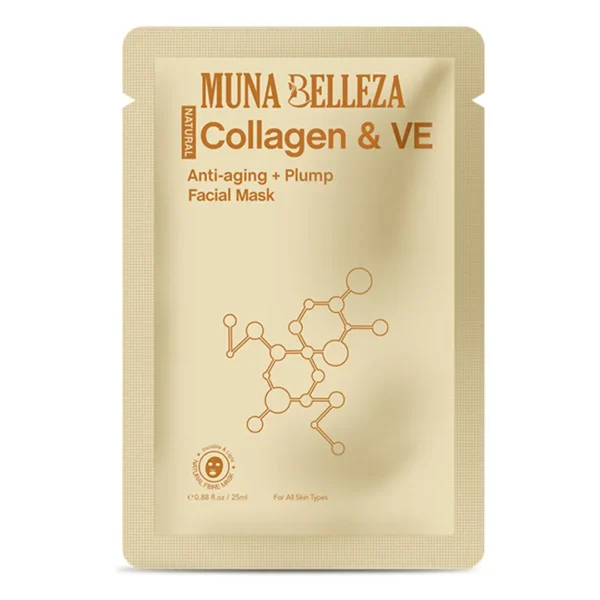 Collagen face mask
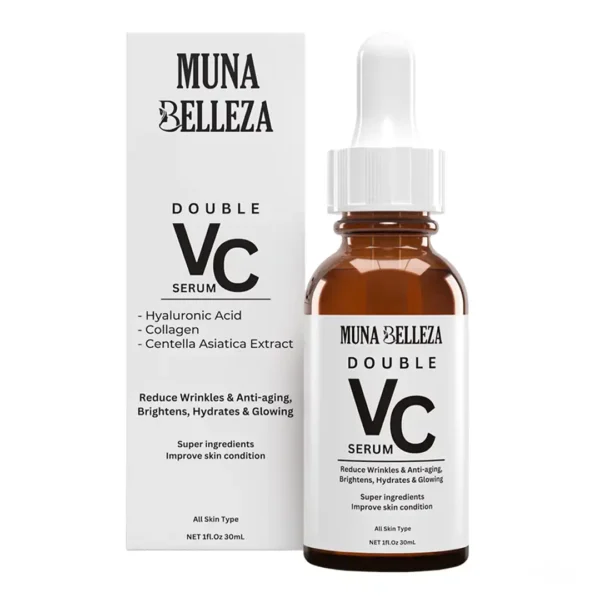 Vitamin C serum
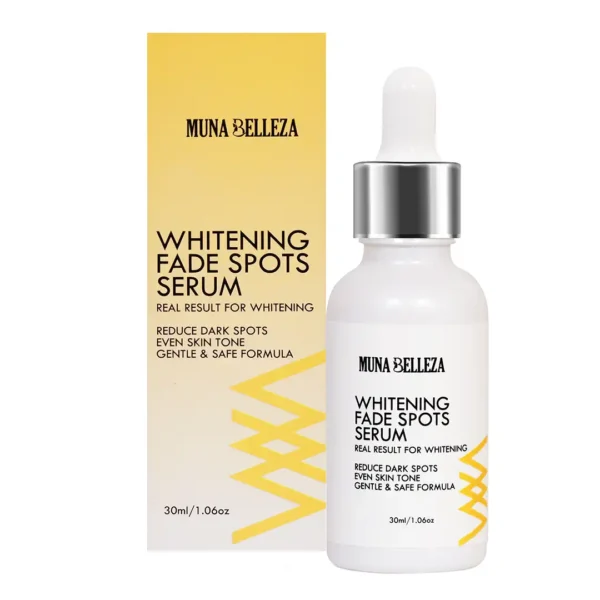 Dark spot serum