
One day you notice that your jawline looks softer, the lines beside your mouth are deeper, or your cheeks sit a little lower than they used to. Sagging skin is a normal part of ageing, and it happens to everyone eventually, and years of strong Gulf sunshine tend to bring it forward.
We want to be straight with you from the start: no cream, serum or sheet mask can lift skin that has already dropped. What skincare can do is slow the process, improve how firm and smooth the surface looks, and support the collagen you still have. This guide explains why skin loses its bounce, what genuinely helps, and when it is worth seeing a specialist instead of buying another jar.
Sagging skin meaning: how it differs from wrinkles
Wrinkles are lines and creases on the surface. Sagging, sometimes called skin laxity, is about the whole structure becoming looser and moving downwards. They often appear together, but they are not the same problem; our guide to wrinkles and fine lines covers the surface side.
Skin elasticity describes how well skin stretches and springs back. It depends on two proteins in the deeper layer of skin: collagen, the scaffolding, and elastin, the springs. When both decline, skin stretches more easily and returns more slowly, and gravity does the rest.
Why sagging skin on the face happens
- Natural ageing. From the mid-twenties onwards the body makes collagen more slowly, and elastin fibres gradually weaken. After menopause, falling oestrogen speeds this up for many women.
- Sun exposure. UV light is the biggest outside cause. It breaks down collagen and elastin over years, which is why sun-exposed areas age faster than skin that is usually covered.
- Changes beneath the skin. The fat pads in the cheeks shrink and slide, facial bones slowly lose volume, and muscles weaken. Skin that sits on less support naturally hangs lower.
- Big or repeated weight changes. Skin that has been stretched may not fully tighten again.
- Smoking. Each cigarette narrows the small vessels that feed skin, and the chemicals damage collagen.
- Genetics. Skin thickness and bone structure influence when and how you age.
Where it shows first
- Jawline and jowls: the edge of the jaw becomes less defined.
- Sagging skin around the mouth: the folds from nose to mouth deepen, and lines can form from the corners of the lips down to the chin.
- Under the eyes: thinner skin and shifting fat create hollows or bags.
- Upper eyelids: extra skin can fold over the lid.
- Neck: skin here is thin and often forgotten when applying sunscreen.
A simple skin elasticity test
Gently pinch the skin on the back of your hand for a few seconds and let go. Young, elastic skin flattens almost instantly; skin with less elasticity takes longer to settle. It is a rough guide, not a medical test, and dehydration can also slow it down, but it is an easy way to notice changes over time.
What creams can and cannot do
The honest answer to how to tighten face skin with products alone: you can improve firmness a little and protect what you have, but you cannot reverse true sagging. Here is what has real support:
- Daily sunscreen. The single most effective step against future sagging, because it stops UV breaking down more collagen.
- Retinoids. Prescription tretinoin and, more gently, over-the-counter retinol are among the best-studied ingredients for encouraging collagen. Results take months and the improvement is modest.
- Vitamin C. Collagen cannot be made without it, and on the skin it adds antioxidant defence alongside sunscreen.
- Peptides. Ingredients such as argireline are popular in firming products; evidence is promising but limited, so expect subtle results.
- Hydration. Hyaluronic acid and glycerin plump the surface, so skin looks firmer for a few hours. It is a cosmetic effect, not a lift.
Be cautious with any skin firming face cream that promises a facelift effect. “Firming” on a label usually means temporary smoothing and plumping.
Our products, honestly
Collagen Face Mask: each single-use sheet carries hydrolysed collagen, argireline, hyaluronic acid, glycerin and a little retinyl palmitate, a mild form of vitamin A. The collagen does not enter the skin to rebuild it; it forms a smooth, moisturising film, so skin looks plumper and feels softer for the evening. That is genuinely nice before an event, but it is not a treatment for sagging. Our guide to collagen for skin explains why. The formula is scented, so try it on your jaw first if fragrance bothers you.
Day and Night Cream: the morning jar combines niacinamide, panthenol, shea butter and plant oils to keep skin comfortable and supple; because it offers no sun protection, layer sunscreen over it. The evening jar adds vitamin C and hyaluronic acid with nourishing argan oil and tocopherol. Together they support a healthy, well-moisturised barrier, which helps skin look its best. They will not lift a jawline, and we would rather you know that before you buy.
Habits that slow sagging down
If you are wondering how to improve skin elasticity day to day, these habits matter more than any single product:
- Apply sunscreen daily to the face, the neck and the chest, and top it up when you are outside.
- Do not smoke, and keep alcohol moderate.
- Eat enough protein and vitamin C-rich foods; your body needs both to make collagen.
- Avoid crash diets and rapid weight swings.
- Keep skin well moisturised, especially in air-conditioned rooms. Our dehydrated skin guide explains why water matters.
- Sleep enough. Sleeping on your back may reduce creasing, although it will not prevent sagging.
Facial exercises and face yoga are popular. A few small studies suggest some benefit for cheek fullness, but the evidence is too limited to rely on.
Sagging skin treatment that can actually lift
If loose skin bothers you, a dermatologist or plastic surgeon can explain options matched to how much laxity you have:
- Radiofrequency and focused ultrasound: heat deeper layers to trigger new collagen. Results are gradual and mild to moderate.
- Microneedling with radiofrequency: combines tiny needles with heat for texture and firmness.
- Fillers: restore lost volume, which can lift the cheeks and soften folds.
- Thread lifts: provide a temporary lift for mild sagging.
- Surgery: a facelift or neck lift remains the only way to remove excess skin.
Choose a licensed clinic, ask about downtime and realistic results, and be wary of anyone promising permanent effects from a single session.
Questions
At what age does skin start to sag?
Collagen production begins to slow in the mid-twenties, but visible sagging usually appears from the late thirties or forties, earlier with a lot of sun exposure.
Can sagging skin be reversed naturally?
Not fully. Sun protection, retinoids and healthy habits can improve firmness a little and slow further loss, but they cannot tighten skin that has already dropped.
Do collagen supplements help?
Some studies suggest small gains in moisture and bounce, yet findings differ and many are industry-funded. They are not a substitute for sunscreen.
Which skin firming products are worth buying?
A daily sunscreen, a retinoid you can tolerate, a vitamin C serum and a good moisturiser cover most of what topical products can offer. Anything beyond that is mostly about texture and feel.
Protect what you have, keep your expectations realistic, and treat yourself kindly: some softening is simply part of a life well lived. We deliver free across the UAE, with card, Apple Pay or cash on delivery.
For the surface side of ageing, read our retinyl palmitate guide next.
 Collagen sheet mask
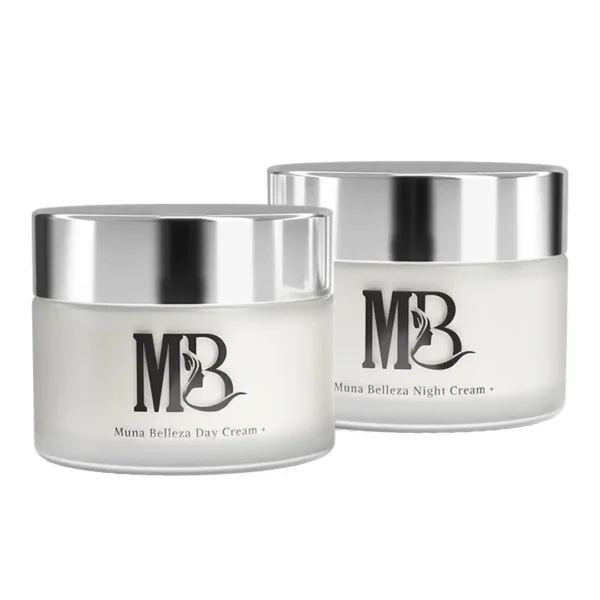 Day & night creams
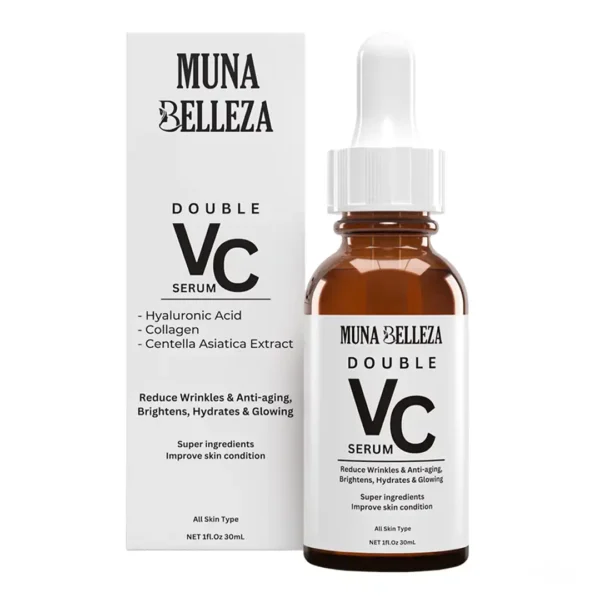 Vitamin C serum