Ectoin is one of those ingredients that sounds new but has an unusual back story: it comes from tiny organisms that survive in salt lakes, deserts and hot springs. Skincare brands now use it for skin that’s dry, easily irritated or stressed by sun, heat and air-conditioning, which describes a lot of skin in the UAE. So what does ectoin (also spelled ectoine) actually do, and is it worth looking for?
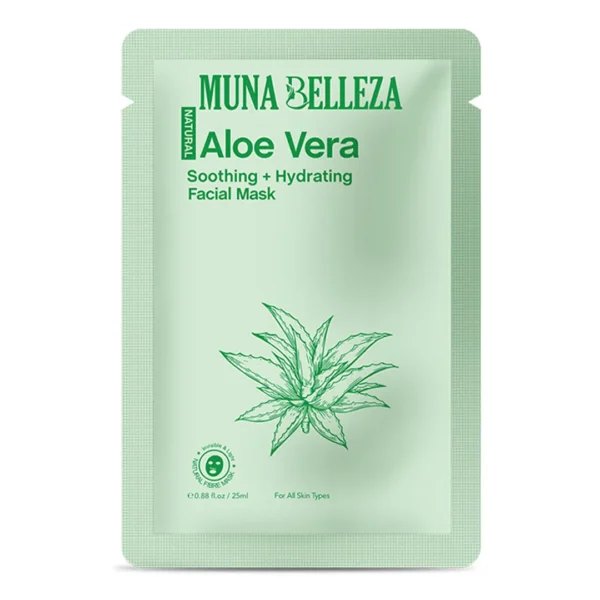
Below we explain how it works, what the studies show, how it compares with hyaluronic acid, and whether ectoin allergy is something to worry about. If you’d like to try it in a soothing formula, our aloe vera hydrating face mask includes ectoin alongside glycerin, panthenol and hyaluronic acid.
What is ectoin?
Ectoin is a small, water-loving molecule made by “extremophile” bacteria, organisms that live where most life would dry out or overheat. They produce it to protect their cells from salt, heat, UV and dehydration. For skincare, ectoin is made by fermentation, so no salt lake is drained to make your moisturiser. You’ll see it on labels as Ectoin or Ectoine.
How ectoin works
Ectoin attracts water molecules and organises them into a stable shell around cells and proteins. Researchers describe it as a “water structure-forming” molecule. In computer models, water clusters around ectoin stayed stable for longer than clusters around glycerin. On skin, that means it helps hold moisture in place and protects the outer layer from stress, rather than just adding water for an hour.
Ectoin benefits for skin
Hydration and a stronger barrier
In tests on people, an emulsion with ectoin reduced the water lost through the skin (a sign of a stronger barrier), and the moisturising effect lasted long-term. That makes it useful for skin that feels tight in AC or after washing. If your skin stings with most products, also read our guide to the skin barrier.
Calmer, less reactive skin
Because it supports the barrier, ectoin has been tested on eczema-prone skin. In a 28-day trial, 65 adults with mild to moderate eczema applied an ectoin cream to one patch and an established non-steroid barrier cream to a matching patch. The eczema improved on both sides. Ectoin isn’t a medicine, so diagnosed eczema still needs a doctor, but it’s a gentle, well-studied extra for sensitive skin.
Defence against environmental stress
Lab studies suggest ectoin helps protect skin cells from UVA and pollution stress, the everyday “wear” behind dullness and early lines. These are mostly cell studies, so think of it as a support layer under your sunscreen, never a replacement.
Ectoin vs hyaluronic acid and other hydrators
- Hyaluronic acid draws water into the skin and gives a plump look fast. Ectoin holds and structures water and calms the skin. They work well together, and many formulas combine them.
- Ceramides rebuild the “mortar” between skin cells. Ectoin protects and hydrates the cells themselves, so the two complement each other.
- Panthenol soothes and helps skin recover, much like ectoin. Both suit sensitive skin; see our panthenol guide.
How to use ectoin
- Morning or night: ectoin is gentle and stable, so it fits any time. In the morning, follow with sunscreen.
- Where in your routine: as a serum after cleansing, or inside your moisturiser or a sheet mask.
- How much: everyday cosmetics usually contain small amounts. Creams sold as medical devices for eczema use higher strengths, and you can use them under a doctor’s or pharmacist’s guidance.
- Combining: it pairs with vitamin C, niacinamide, retinol and exfoliating acids, and can make strong actives easier to tolerate.
- Results: skin often feels more comfortable within days. Barrier benefits build over two to four weeks.
Ectoin allergy and side effects
True ectoin allergy is rare. It’s a small, simple molecule and is generally very well tolerated, which is why it’s also used in some allergy nose sprays and eye drops. That said, any ingredient can cause a reaction. In a children’s eczema trial, a few more mild skin reactions were reported with an ectoin-and-hyaluronic-acid cream than with a plain cream, though the ectoin cream worked clearly better.
If a product with ectoin stings or itches, the cause is often another ingredient, such as fragrance, a preservative or an acid. Patch test new products on your jawline for two or three days. If you’re pregnant, check any new skincare with your doctor.
Our product with ectoin
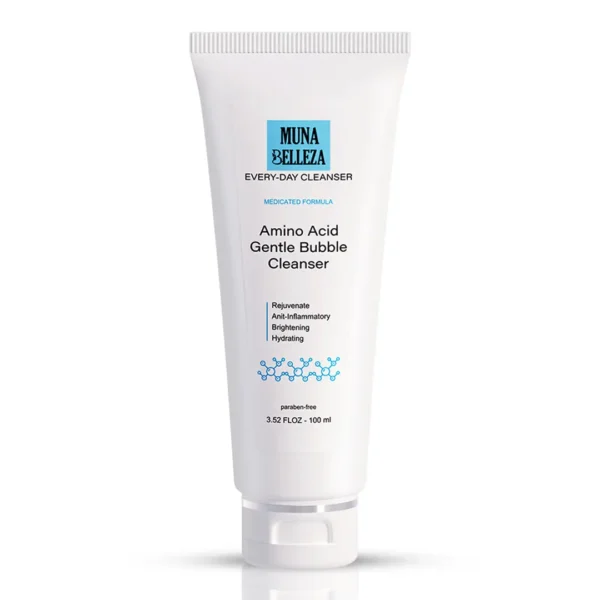
We don’t make a dedicated ectoin serum. Ectoin appears in our aloe vera face mask, in the second half of the ingredient list, just after sodium hyaluronate. So it’s a supporting ingredient, alongside glycerin, beta-glucan, centella, panthenol and licorice. The mask is leave-on (15 minutes, then pat in) and contains fragrance, so patch test if you’re sensitive. For a gentle routine around it, pair it with our fragrance-free amino acid cleanser.
Common questions
Is ectoin natural?
It’s a natural molecule first found in bacteria. For skincare it’s produced by fermentation, which is a clean, controlled process.
Can I use ectoin with vitamin C or retinol?
Yes. Ectoin is very easy to combine and may help strong actives feel gentler.
Is ectoin good for acne-prone skin?
It’s light, oil-free and calming, so it suits acne-prone skin as a hydrator. It doesn’t treat acne itself.
Ectoin or ceramides: which is better for dry skin?
Use both if you can. Ceramides repair the barrier, and ectoin helps skin hold water and stay calm.
Can ectoin replace sunscreen?
No. It may help skin cope with sun stress, but only sunscreen blocks UV rays.
Every order ships free across the UAE, with card, Apple Pay or cash on delivery.
Learn more about our sensitive skin care.
 Aloe vera face mask
 Amino acid cleanser
 Day and night cream