Hyaluronic acid and vitamin C are two of the most popular serum ingredients, and people often worry that using them together will cancel one out or irritate the skin. The short answer is that hyaluronic acid and vitamin C together are one of the easiest, most useful pairings in skincare. Vitamin C protects and brightens, and hyaluronic acid keeps skin hydrated and comfortable while it does.
Below we explain why they work well together, the right order, and how to choose and store a formula in the UAE heat. If you’re new to the ingredient, read what is a vitamin C serum first. If you’d like both in one bottle, our vitamin C serum for face is a water-based formula with hyaluronic acid high on its ingredient list.
Can I use vitamin C and hyaluronic acid together?
Yes. They don’t react with each other or reduce each other’s effect, and many serums already combine them. They do different jobs:
- Vitamin C is an antioxidant. It helps defend skin from sun and pollution stress, brightens dullness and supports collagen. Stronger forms can tingle and leave skin feeling a little dry.
- Hyaluronic acid is a humectant. It draws water into the top layer of skin, so it looks plumper and feels more comfortable.
That’s why the pair works: hyaluronic acid softens the dryness some people feel with vitamin C, so it’s easier to keep using daily.
What the research says about each one
The type of vitamin C and the formula matter a lot. In a lab study on skin, pure L-ascorbic acid only entered the skin when the serum was very acidic (pH below 3.5), and absorption peaked at 20%. Some popular derivatives didn’t raise vitamin C levels in that test at all. It explains why some vitamin C serums tingle, and why a stable, well-made formula is worth more than a big number on the box.
For hyaluronic acid, a 60-day trial found that creams with 0.1% hyaluronic acid improved skin hydration and elasticity, and the smaller-sized forms also reduced the depth of fine lines around the eyes. Compare products in our guides to the best vitamin C serum in UAE and the best hyaluronic acid serum.
Which goes first: vitamin C or hyaluronic acid?
The general rule is thinnest and most watery first. With these two, it depends on your vitamin C:
- Strong, acidic vitamin C serum (L-ascorbic acid): apply it first to clean, dry skin. Wait a minute, then apply hyaluronic acid, then moisturiser.
- Gentle vitamin C (a lighter formula or a derivative): order matters less. Apply the thinner one first.
- One serum with both: just one step, then moisturiser.
Hyaluronic acid works best on slightly damp skin. Always seal it with a moisturiser, especially in air-conditioned rooms, so the water it draws in stays in your skin. In the morning, finish with sunscreen.
Morning or night?
Morning is the best time for vitamin C, because its antioxidant support helps while you’re out in the sun, and it works alongside your sunscreen (it doesn’t replace it). Hyaluronic acid suits any time of day. A gentle combined serum can be used twice daily. With a strong vitamin C, keep it to mornings and use hyaluronic acid on its own at night.
One serum with both, or two separate serums?
Two separate serums let you control the strength of each. One combined serum is simpler and cheaper, and it’s ideal if you’re starting out or have sensitive skin. When looking for the best hyaluronic acid serum with vitamin C, check:
- The vitamin C is named in the ingredient list (ascorbic acid, ethyl ascorbic acid, sodium ascorbyl phosphate and so on), not just “vitamin C complex”.
- Hyaluronic acid sits high on the list (hyaluronic acid or sodium hyaluronate), ideally with glycerin.
- Opaque, airtight packaging: an airless pump or dark dropper bottle.
- Fragrance-free if your skin is sensitive.
- Honest claims: be wary of “instant whitening” or very high percentages with no ingredient list.
Keeping vitamin C fresh in UAE heat
Vitamin C breaks down with heat, light and air. A serum that turns dark orange or brown has oxidised and should be replaced. Store it in a cool, dark cupboard, never in the car or on a sunny windowsill, close the cap straight away, and try to finish it within about three months of opening.
What else can you mix with vitamin C?
Can salicylic acid be used with vitamin C?
Yes, but both can sting, especially on sensitive skin. The easy way is vitamin C in the morning and salicylic acid at night, or on alternate days. Read more in our salicylic acid guide.
Can you mix glycolic acid and vitamin C?
It’s better to keep them apart. Both are acidic, and layering them often causes redness. Use glycolic acid at night two or three times a week and vitamin C in the morning. See glycolic acid.
Niacinamide and retinol
Niacinamide pairs well with vitamin C; see what to mix with niacinamide. Keep retinol for the evening, and vitamin C for the morning.
Our pick
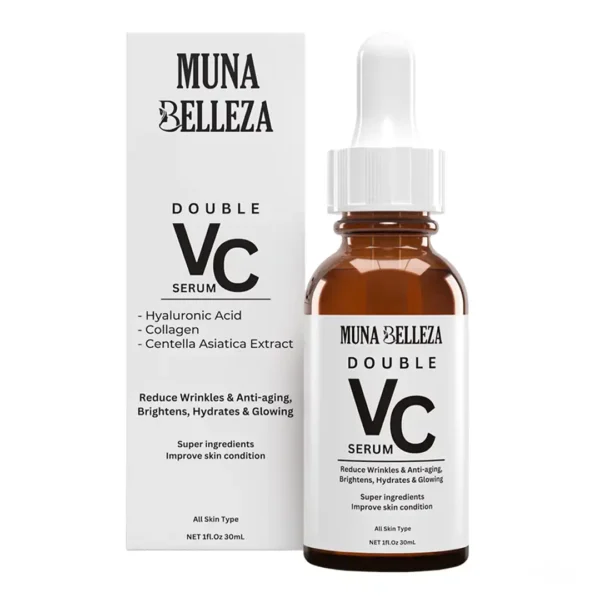
- Vitamin C serum: hyaluronic acid is near the top of the list, with glycerin, betaine and trehalose for hydration, plus ascorbic acid, centella and a little witch hazel. It’s water-based, with no added fragrance and no oils. It’s a gentle everyday formula rather than a high-strength vitamin C, so it suits beginners and sensitive skin. We don’t claim a percentage.
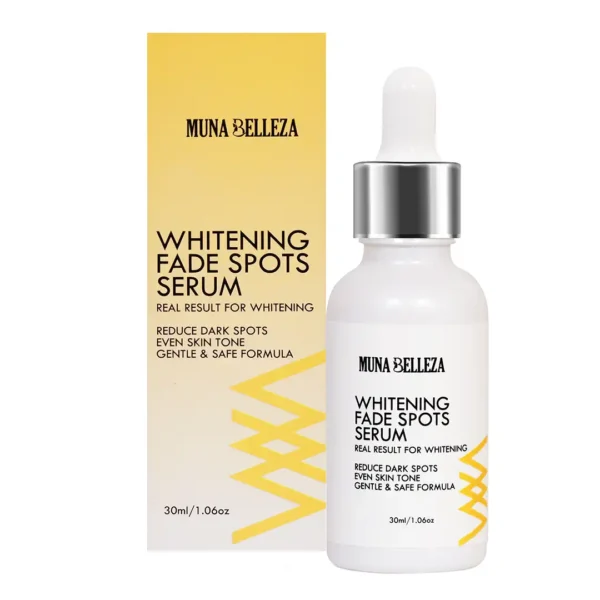
- Dark spot correcting serum: niacinamide, arbutin and sodium hyaluronate, for marks and uneven tone. It has a light fragrance.
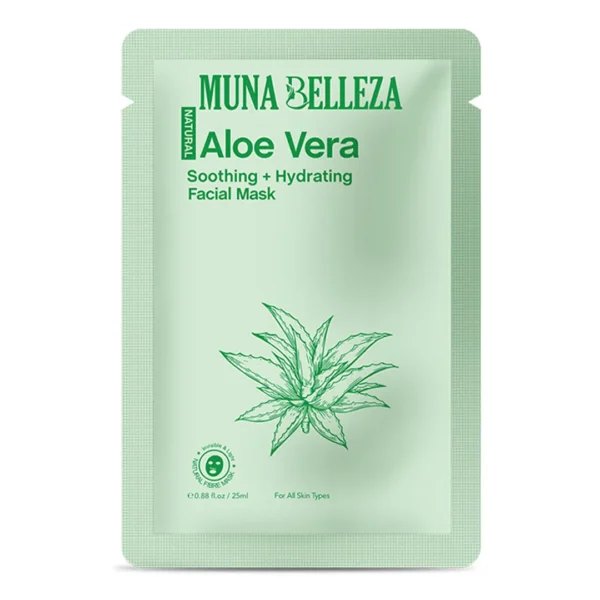
- Aloe vera face mask: a weekly hydration boost with glycerin and sodium hyaluronate. It contains fragrance.
Common questions
Does hyaluronic acid make vitamin C less effective?
No. Hyaluronic acid doesn’t block or break down vitamin C. It simply adds hydration on top.
Can I use vitamin C and hyaluronic acid every day?
Yes. Most skin types can use both daily. With a strong vitamin C, start every other morning for the first two weeks.
Is tingling normal?
A light tingle for a few seconds can happen with acidic vitamin C. Burning, redness or itching that lasts means the product is too strong for you.
Will this combination lighten my skin?
It can make skin look brighter and more even over a few weeks, but it doesn’t change your natural skin colour.
Do I still need sunscreen?
Yes, every morning. Vitamin C boosts your protection but doesn’t block UV rays.
Every order ships free across the UAE, with card, Apple Pay or cash on delivery.
Learn more about our hyaluronic acid products.
 Vitamin C serum
 Dark spot correcting serum
 Aloe vera face mask