Walk into any beauty shop in Dubai or Abu Dhabi and you will find glycolic acid on a toner, a serum, a peeling pad and a body lotion, often all in the same aisle. It has earned its fame: few ingredients make skin feel smoother so quickly. It also has a reputation for stinging, peeling and leaving faces red, and many people give up on it after one bad week. The difference between those two experiences usually comes down to three choices: the strength you start with, how often you use it, and what you put on your skin the next morning.
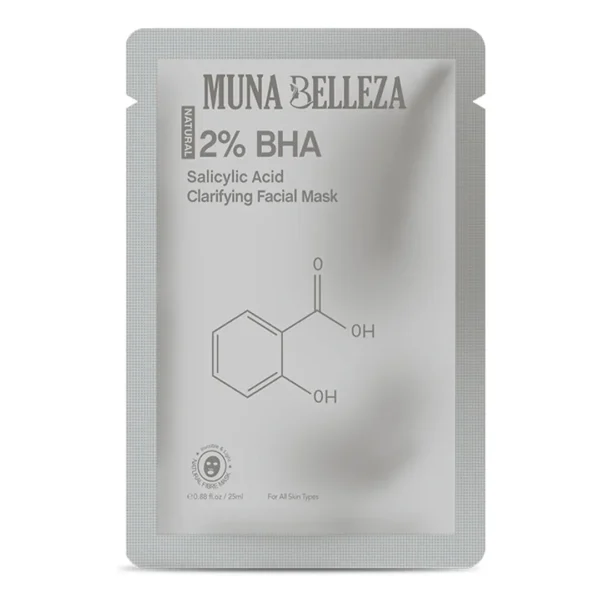
This guide walks through all three, along with the real glycolic acid benefits, the percentages you will see on labels and how it fits with niacinamide, retinol and vitamin C. If your main worry is blackheads and a shiny T-zone, our blackhead mask combines a small amount of glycolic acid with salicylic acid in a weekly sheet mask, which is an easy way to try acids without a daily commitment.
What is glycolic acid?
Glycolic acid is an alpha hydroxy acid, or AHA. It was first taken from sugar cane, which is why you will see it called a “fruit acid” or “sugar acid”. What goes into skincare today is made in a lab to a consistent purity, so “natural” or “organic” on the label doesn’t mean it works better.
Alpha hydroxy acid vs glycolic acid is a common mix-up. AHA is the family name; glycolic acid is one member, alongside lactic, mandelic, malic and citric acid. It is the smallest molecule in the group, so it slips into the top layer of skin most easily. That is what makes it the most effective AHA, and also the one most likely to tingle.
It dissolves in water, not oil, so it works on the surface of the skin rather than deep inside pores. Keep that in mind; it explains most of what it can and can’t do.
What glycolic acid does for your face
The top layer of your skin is made of flat, dead cells held together by a kind of natural glue. This AHA loosens that glue so old cells let go sooner instead of building up. From that one action come most of its uses:
- Smoother texture. Rough, bumpy or flaky patches soften, often within the first two weeks. This is the change people notice first.
- A brighter, more even look. A build-up of dead cells scatters light and makes skin look dull and grey. Clearing it lets skin reflect light evenly.
- Faster fading of flat dark marks. Pigment that sits near the surface, such as fresh marks after a pimple, sheds a little faster. It works best alongside a brightening ingredient and daily sunscreen.
- Softer fine lines. In studies, regular use of higher-strength AHA lotions over several months thickened the outer skin and improved the look of sun-damaged skin. Lower everyday strengths give a gentler version of the same effect.
- Fewer whiteheads at the surface. Clearing dead cells from the pore opening helps stop small closed bumps forming, though it reaches less far into oily pores than salicylic acid does.
What it won’t do: shrink pores permanently, fill in pitted acne scars or change your natural skin colour. A product promising any of these is overselling.
Glycolic acid percentages explained
The percentage matters, but so does the pH, which is how acidic the product is. Safety reviews in the US concluded that AHA products for home use are best kept at 10% or less with a pH of 3.5 or higher, and salon products at up to 30%. Here is what that means for the numbers you will see:
- 3–5%: cleansers, creams and gentle serums. A good starting point for dry, sensitive or darker skin.
- 7–8%: the classic exfoliating toner or liquid strength. Clearly noticeable results, but begin two or three evenings a week.
- 10%: the top of the home range. Best for skin that already tolerates acids well.
- 15–30%: salon and clinic peels, timed and then neutralised by a professional.
- 50–70%: medical-strength peels only. A 70% “solution” sold online can burn and scar skin and should never be used at home.
A higher number isn’t automatically better. A 5% product you can use regularly will do more for your skin over three months than a 10% one you stop after a week because it stings.
How to use glycolic acid
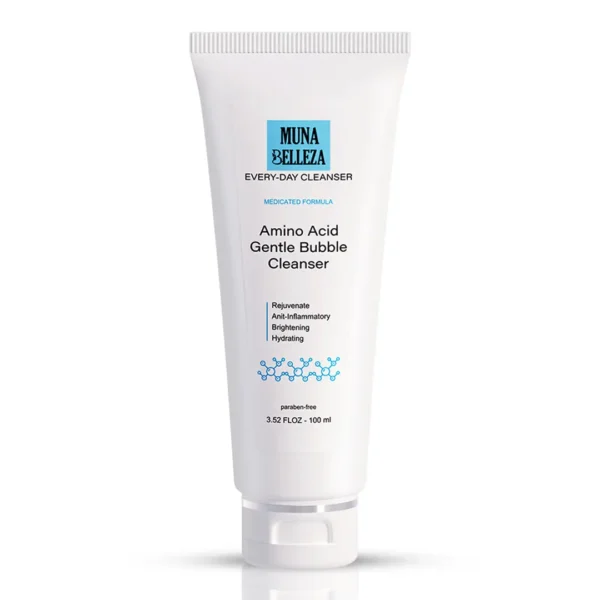
- Start in the evening. Cleanse with a mild, non-scrubbing face wash and pat your skin completely dry. A gentle wash like our amino acid cleanser keeps your skin calm before an acid step.
- Apply a thin layer. Spread a few drops over the face, avoiding the eye area, lips and the folds beside the nose, where skin is thin.
- Wait a minute, then moisturise. A light tingle for a minute or two is normal. Real burning, or redness that lasts, means rinse it off and try a lower strength or longer gaps.
- Protect in the morning. Use a broad-spectrum sunscreen of SPF 30 or higher every day. The US FDA advises extra sun protection while using AHAs and for a week after you stop, because freshly exfoliated skin burns more easily.
How often should you use glycolic acid?
For leave-on toners and serums, two or three evenings a week is plenty for most people, at least for the first month. If your skin stays comfortable, some can move to every other night. Can you use it every day? A low-strength cleanser, yes, for many skin types. A 7% or 10% leave-on product daily is usually too much, especially in winter or if you sit in air-conditioning all day.
What to use after glycolic acid
Follow it with something that repairs and hydrates: a moisturiser with glycerin, ceramides, panthenol or hyaluronic acid. A soothing sheet mask such as our aloe vera face mask works well on a night off from acids. Skip scrubs, strong retinoids and other acids on the same night.
What you can use with glycolic acid
- Niacinamide: yes. They pair well, because it helps the skin barrier that acids can stress. Use niacinamide in the morning, or after the acid has dried. Our guide to niacinamide explains how it works.
- Hyaluronic acid: yes, and it is one of the best things to apply afterwards. Despite the name, it isn’t an exfoliating acid; it simply holds water in the skin.
- Retinol: not on the same night. Both speed up skin renewal, so alternate evenings, and introduce one fully before adding the other.
- Vitamin C: keep vitamin C for the morning and the AHA for the evening. Layering two acidic products adds sting rather than results.
- Salicylic acid: fine in a product designed with both, like our blackhead mask. Layering a separate glycolic toner and a salicylic serum on the same night is where irritation starts.
- Benzoyl peroxide: one in the morning and one at night, if at all. Together they dry the skin fast.
- Alpha arbutin: yes. It can go on the same evening after the acid, or in the morning under sunscreen.
Glycolic acid vs salicylic, lactic, retinol and vitamin C
Glycolic vs salicylic acid
Pick by your main problem. Dullness, rough patches and uneven tone point to glycolic. Blackheads, oiliness and clogged pores point to salicylic acid, which works inside the pore. Combination skin often uses a little of both, on different nights or in one balanced product. Our salicylic acid guide covers the pore side in detail.
Glycolic vs lactic and mandelic acid
Lactic and mandelic acid are larger AHAs that enter the skin more slowly, so they are softer on sensitive skin. Mandelic acid in particular is often chosen for darker skin tones, where irritation can leave dark marks. If glycolic keeps stinging even at 5%, one of these is a sensible switch.
Glycolic acid vs retinol
An AHA works from the outside in, clearing the surface. Retinol works on how skin cells renew from deeper down and has the stronger evidence for wrinkles. For ageing skin, many routines use retinol as the main treatment and an AHA once or twice a week for texture.
Glycolic acid vs vitamin C
They do different jobs. Vitamin C is an antioxidant that protects against daily sun and pollution damage and brightens over time; an AHA exfoliates. You don’t need to choose, just use them at different times of day.
Who should go slowly
- Sensitive skin, rosacea or eczema: skip it during a flare and choose lactic or mandelic acid, or none at all.
- Medium to dark skin tones: it works well, but irritation can leave new dark patches. Start at 5% or lower and increase slowly.
- After threading, waxing or shaving: wait a day or two before applying any acid to that area.
- Before a beach day or desert trip: give your skin a break from acids for a few days and protect it well.
- Pregnancy: a low-strength AHA is generally considered one of the safer exfoliants, but check with your doctor and avoid peels.
- On prescription creams: if you use tretinoin or other prescription acne or pigment treatments, ask your doctor before adding an AHA.
Before and after: what to expect
Before and after photos online often show dramatic changes, usually after professional peels. With a home product used two or three times a week, a realistic timeline looks like this:
- Weeks 1–2: skin feels smoother; makeup sits more evenly.
- Weeks 4–6: a brighter, more even look; fewer small surface bumps.
- Months 2–3: fresh dark marks look lighter, and fine lines may look a little softer.
If you see redness, flaking or new breakouts in places you don’t usually get them, use it less often. More acid rarely fixes a problem that acid caused.
Common questions
Is glycolic acid good for dry skin?
Often, yes. AHAs help skin hold water and clear the flaky layer that makes dry skin look dull. Choose 5% or less, use it two nights a week and always follow with a rich moisturiser.
Can I use glycolic acid on my underarms?
Many people use AHA toners on underarms to smooth the skin and help with darkening caused by friction. It is fine on unbroken skin, but never right after shaving or waxing, and stop if it stings or itches.
Can I apply pure glycolic acid directly on my face?
No. At high strength it is a chemical peel ingredient that can burn skin within minutes. Use only finished skincare products made for home use, and leave peels to professionals.
Does glycolic acid help acne scars?
It helps flat brown or red marks fade a little faster, but it can’t lift deep, pitted scars. Our article on acne marks vs acne scars shows how to tell them apart.
Is glycolic acid good for hyperpigmentation?
It is a useful helper, especially for marks near the surface, but it works best combined with a pigment-fading ingredient and strict sun protection. See our hyperpigmentation guide for the full approach.
Ready to add an acid step without the guesswork? Our blackhead mask brings glycolic and salicylic acid together in one 15-minute sheet mask, and every order ships free across the UAE with cash on delivery available.
Learn more about our Korean face masks.
 AHA + BHA mask
 Gentle face wash
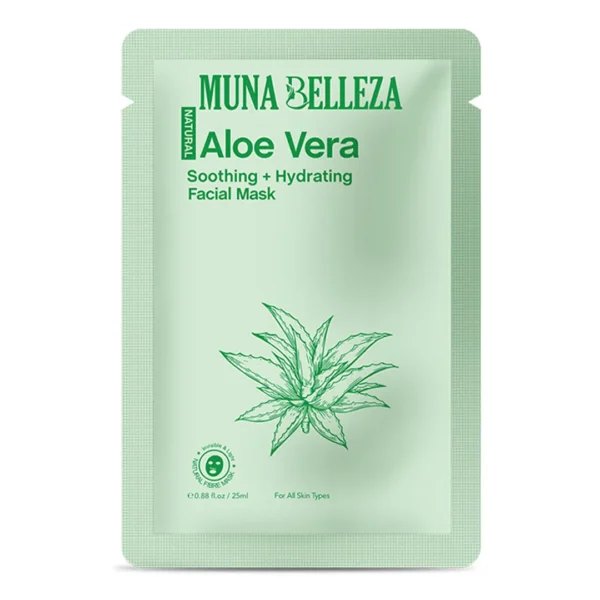 Hydrating sheet mask