A brown patch on the cheek that wasn’t there before summer. Marks that stay for months after a pimple has gone. A shadow across the forehead or upper lip that makeup never quite hides. These are all forms of hyperpigmentation, and they are among the most common reasons people in the UAE change their skincare. Search for help and you will find creams promising results in a week, lemon-and-turmeric recipes and clinic offers on every corner. So what actually works?
It comes down to two things: knowing which type of pigmentation on your face you are dealing with, and treating the cause, not just the colour. Fade spots without protecting them from the sun and they come straight back. Below we explain the types, the causes and the ingredients with real evidence behind them. If you already know you are dealing with dark spots and want to start now, see our dark spot remover for face range.
What is hyperpigmentation?
Your skin colour comes from melanin, a pigment made by cells called melanocytes. When some of those cells make more melanin than the skin around them, or when the pigment clumps in one place, that area looks darker. That is hyperpigmentation: a patch of skin darker than your normal tone. Its opposite, hypopigmentation, is a patch that is lighter than the rest of your skin.
Skin pigmentation itself is normal and healthy; it only becomes a concern when it is uneven. Hyperpigmentation is very common and, in most cases, harmless. It is also not a sign that skin is dirty or unhealthy. It shows up as brown, grey-brown or black spots and patches, most often on the face, neck and hands, because those parts see the most sun.
Types of pigmentation on the face
Treatment depends on the type, so it helps to know which one you have. Many people have more than one.
Post-inflammatory hyperpigmentation (PIH)
Flat brown or dark marks left after skin has been inflamed or injured: a pimple, a bite, a burn, eczema, waxing or a harsh treatment. Acne marks are the classic example. They sit exactly where the spot was and often fade by themselves, but on medium and darker skin tones they can take many months. If you are not sure whether you have a mark or a true scar, our guide to acne marks vs acne scars shows how to tell.
Sun spots
Small, well-defined brown spots on areas that see the most sun over the years: cheekbones, nose, forehead and the backs of the hands. Also called age spots or solar lentigines. Unlike freckles, they don’t fade in winter.
Melasma
Larger, blotchy grey-brown patches, usually on both sides of the face in a mirror pattern: cheeks, forehead, upper lip and chin. It is linked to hormones (pregnancy, birth control pills) plus sun and heat, and it is common in women in the Gulf. Melasma is stubborn and tends to return, so it needs the most patience and the most careful sun protection.
Freckles
Small, light brown dots you are usually born with a tendency to get. They darken with sun and lighten without it. They are harmless and many people like them.
What causes hyperpigmentation?
Almost every trigger works the same way: something tells the melanocytes to make more pigment as a form of defence. The main ones are:
- Sun. UV light is the biggest cause of pigmentation on the face, and it also darkens every other type. Visible light and heat can make melasma worse too, which matters in the UAE where the sun is strong all year.
- Inflammation. Acne, picking at spots, rashes, irritation from harsh products and some salon treatments.
- Hormones. Pregnancy and hormonal medicines are common triggers for melasma.
- Skin tone. Medium and darker skin has more active melanocytes, so it marks more easily after a breakout or irritation.
- Friction and some medicines. Constant rubbing, and a few medicines and health conditions, can darken skin. Pigment that appears suddenly or spreads with no clear reason should be checked by a doctor.
Stress on its own does not create dark spots, but it can lead to breakouts and picking, which do.
How to get rid of hyperpigmentation
There is no overnight fix, and anyone offering one is selling something. What works is a combination, kept up for weeks:
- Stop the trigger. Calm active acne, stop picking and stop using anything that stings or burns. You can’t fade a mark while new ones keep forming.
- Protect from the sun every day. Without this, nothing else works. More on this below.
- Use an ingredient that slows pigment. Niacinamide, arbutin, vitamin C, azelaic acid and tranexamic acid are the main cosmetic options.
- Help skin shed the old pigment. Gentle exfoliation, a few times a week at most.
- Give it time. Skin renews itself roughly once a month, so expect to see a difference after 8 to 12 weeks of daily use, not days.
For deep or stubborn patches, a dermatologist can prescribe stronger creams or offer chemical peels and laser treatments. These can work well, but on darker skin they can also cause new pigmentation if done too aggressively, so choose an experienced clinic.
Can you remove pigmentation from your face permanently? Sun spots and acne marks can fade completely. Melasma can be controlled but often returns with sun, heat or hormones. Either way, the result only lasts if you keep protecting your skin.
Ingredients that fade dark patches
These are the ingredients with real evidence for helping hyperpigmentation, and the ones to look for on a label:
- Niacinamide (vitamin B3). Reduces how much pigment moves up into the skin surface, so spots look lighter. Gentle, suits most skin types and also supports the skin barrier.
- Arbutin and alpha arbutin. Slow down tyrosinase, the enzyme skin uses to make melanin. Often paired with niacinamide because they work at different steps.
- Vitamin C. An antioxidant that brightens dullness and helps with sun-related pigmentation. Our guide on what a vitamin C serum does explains how to use it.
- Tranexamic acid and licorice root extract. Both are used in brightening products for an uneven tone, and tranexamic acid is popular for melasma-prone skin.
- Gentle exfoliants. AHAs, and salicylic acid for oily and acne-prone skin, help shed pigmented cells and prevent the breakouts that leave new marks.
- Retinoids and hydroquinone. Strong and effective, but they can irritate and should be used with a doctor’s advice, especially if you are pregnant.
Our dark spot correcting serum combines niacinamide and arbutin in a light, water-based texture that layers easily under moisturiser and sunscreen. It contains a light fragrance, so patch test first if your skin is sensitive.
A simple routine for the UAE
Morning: a gentle cleanser, then a brightening serum, a moisturiser and a broad-spectrum sunscreen of SPF 30 or higher. In summer, a lightweight gel moisturiser is enough for most skin types.
Night: cleanse well to remove sunscreen and sweat, then a treatment step (your serum, or an exfoliant two or three nights a week, not both on the same night if your skin is sensitive), then a moisturiser. Our day and night cream set is built for this: the day cream has niacinamide and licorice root extract, and the night cream adds arbutin and vitamin C. The day cream has no SPF, so sunscreen still goes on top.
Once or twice a week: a brightening sheet mask is an easy extra. Our turmeric face mask is fragrance-free and contains niacinamide, tranexamic acid, alpha arbutin and a vitamin C derivative.
Pick one or two brightening products and use them every day. Layering five at once is the fastest way to irritate skin, and irritation leads to more pigmentation, not less.
Home remedies for pigmentation on the face: what helps and what harms
Natural remedies are popular, and we understand why: they are cheap and feel safe. Some are harmless, a few are risky.
- Lemon juice: skip it. It is acidic enough to irritate and, combined with sun, can cause burns and new dark patches.
- Baking soda, toothpaste, bleach creams from unknown sellers: never. They damage the skin barrier and some illegal creams contain mercury or strong steroids.
- Raw turmeric paste: mostly stains skin yellow. Turmeric in a finished cosmetic is a different thing.
- Alum and coffee scrubs: no good evidence for pigmentation, and gritty scrubs can irritate.
- Aloe vera gel: soothing and fine to use, but don’t expect it to fade spots on its own.
The most useful “natural” step is free: shade, a hat and sunscreen.
How to prevent pigmentation
- Wear sunscreen every day, rain or shine, indoors near windows and in the car. Reapply every two hours when you are outside.
- For melasma, choose a tinted sunscreen. The iron oxides that give it colour help block visible light, which plain sunscreen doesn’t fully cover.
- Avoid the midday sun and keep a wide-brimmed hat in the car.
- Treat breakouts early and don’t pick or squeeze.
- Introduce one new product at a time and stop anything that burns.
When to see a doctor
See a dermatologist if a spot changes in size, shape or colour, bleeds or itches, if patches appear suddenly over large areas, or if there is no improvement after three months of a careful routine. A doctor can confirm the type, rule out other conditions and offer prescription treatments. Pale or white patches (the opposite problem) should also be checked rather than treated with brightening creams.
Common questions
Does hyperpigmentation go away on its own?
Acne marks and other post-inflammatory spots often do, but it can take six months to a year or more, especially on darker skin. Sun spots and melasma usually don’t fade without help and sun protection.
Can I get rid of hyperpigmentation in a week?
No. Pigment sits in skin cells that take weeks to shed. A product that seems to work in a week is either hiding the spot or irritating the skin. Give any routine at least two months.
What is the best cream for hyperpigmentation?
One you will use every day and that your skin tolerates, with an ingredient such as niacinamide, arbutin or vitamin C, paired with daily sunscreen. The best one also depends on your type: melasma-prone skin needs gentler care than an occasional acne mark.
Is brightening the same as whitening?
No. Brightening products help even out dark spots and dullness so skin looks like your natural tone. They don’t change your skin colour, and you should avoid any product that promises to.
Is hyperpigmentation treatment different for dark skin?
The ingredients are the same, but darker skin reacts more to irritation, so go slowly, avoid harsh scrubs and peels, and be careful with strong acids and lasers.
Ready to start? Our dark spot correcting serum and day and night cream are made in Korea, with free delivery to every emirate and cash on delivery available.
Learn more about products for dark spots and pigmentation.
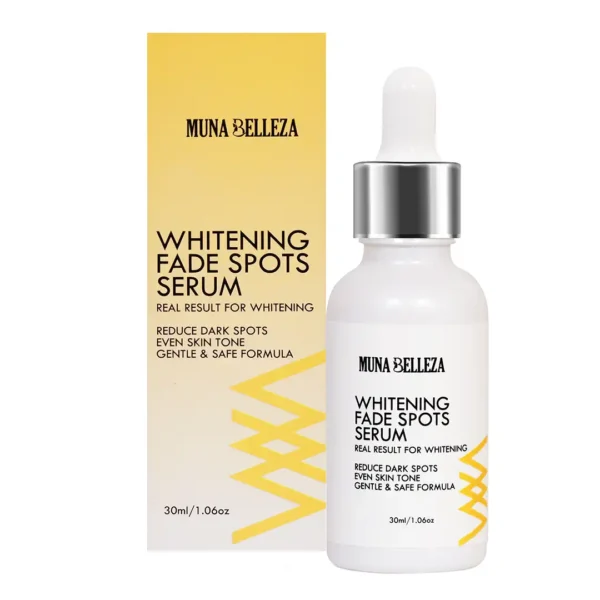 Dark spot correcting serum
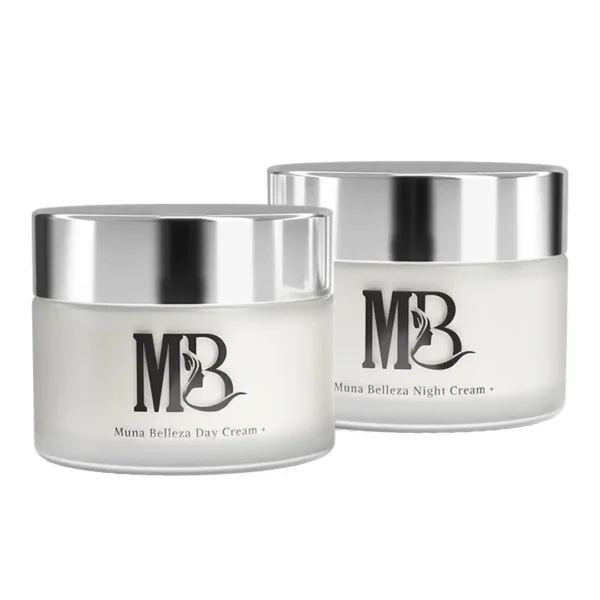 Day and night cream
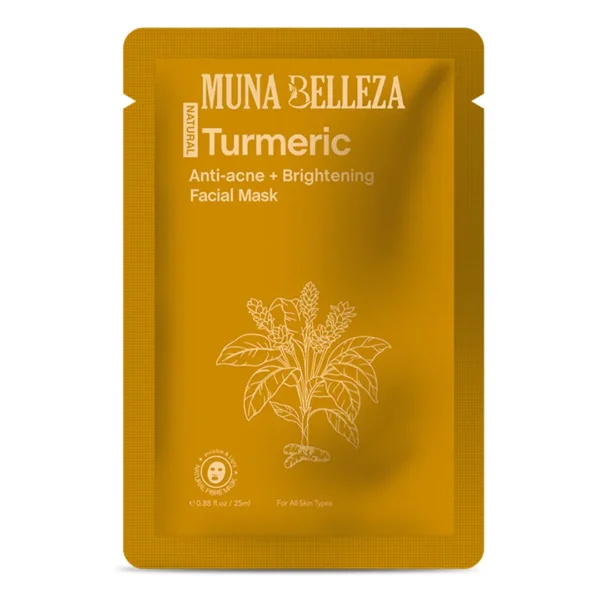 Turmeric face mask