
Turmeric has been part of beauty rituals across South Asia and the Gulf for generations: a bridal ubtan, a home face pack, a pinch in yoghurt. Today you’ll also find turmeric for face in cleansers, sheet masks and serums. But does it really help your skin, and how do you use it without ending up with a yellow face?
This guide covers what turmeric can and can’t do, which type to use, three simple masks, and when a ready-made product is the easier choice. If you want turmeric in an everyday step, our face wash for oily skin combines turmeric with tea tree oil for breakout-prone skin.
Is turmeric good for face?
Yes, in the right form and in moderation. Turmeric’s main active compound, curcumin, is an antioxidant and calms inflammation. Used gently, turmeric can help skin look calmer, fresher and a little brighter. It isn’t a cure for acne, scars or pigmentation, and pure powder can stain and irritate some skin.
Turmeric benefits for skin: what the evidence says
A systematic review of clinical studies found early but encouraging evidence that turmeric and curcumin may benefit several skin conditions. Most studies are small, so think of these as possible benefits rather than guarantees:
- Calming redness and inflammation: curcumin slows several inflammation pathways, which is why turmeric masks can make irritated skin look calmer.
- Antioxidant protection: it helps neutralise free radicals from sun and pollution, which contribute to dullness and early ageing.
- Support for acne-prone skin: turmeric has mild antibacterial activity and can calm red pimples, but it doesn’t unclog pores like salicylic acid does.
- A brighter look: by calming the skin and, in masks, with gentle exfoliation from ingredients like gram flour, skin can look more even. Evidence that turmeric fades dark spots on its own is weak.
For proven acne and pigment treatments, see our guides on how to get rid of acne and uneven skin tone.
Which turmeric is good for face?
- Kitchen turmeric (Curcuma longa): the yellow powder in your spice rack. It works, but it stains skin, nails and towels yellow, so use a tiny amount.
- Wild turmeric (Curcuma aromatica, “kasturi manjal”): traditionally used on the face in South India because it stains much less. Look for it in Indian and South Asian grocery stores, and buy from a trusted brand.
- Raw turmeric root: grated fresh root can be used in masks, but it stains just as much as powder and may be more irritating.
Whichever you use, buy a pure, food-grade powder without added colour. Cheap powders are sometimes adulterated with dyes.
How to apply turmeric on face safely
- Patch-test first: apply a little of your mix behind your ear or on your jaw for 24 hours.
- Use very little: a pinch (about ¼ teaspoon) is enough for a whole face mask.
- Always mix it: never apply dry powder. Combine it with yoghurt, honey, milk or aloe vera gel.
- Keep it short: 10–15 minutes, then rinse with lukewarm water.
- Remove any yellow tint: a cotton pad with a little milk or micellar water, then your usual cleanser.
- Moisturise afterwards, and use sunscreen in the morning.
3 simple turmeric face masks
- Turmeric with honey for face (calming): a pinch of turmeric with 1 tablespoon of raw honey. The turmeric and honey mask benefits are mainly hydration and calm for dull or irritated skin.
- Turmeric and yoghurt (gentle glow): a pinch of turmeric with 1 tablespoon of plain yoghurt. The lactic acid in yoghurt gently smooths the surface.
- Gram flour and turmeric (ubtan): 1 tablespoon of gram flour (besan), a pinch of turmeric and enough rose water or milk to make a paste. Gram flour and turmeric face pack benefits come from mild exfoliation and oil absorption, so it suits oily skin. Rinse gently; don’t scrub hard.
Use any of these once or twice a week, not daily. Turmeric mask before and after photos online often show the effect of good lighting and fresh hydration; expect a calmer, fresher look rather than a dramatic change.
Turmeric face wash, oil and masks
- Turmeric face wash: the benefits are mostly comfort and a fresh feel, since it’s on the skin for under a minute. Choosing the best turmeric face wash means looking at the whole formula: a gentle foam with tea tree oil or salicylic acid is useful for oily, spotty skin.
- Turmeric oil for face: turmeric essential oil is concentrated and can irritate. Only use it well diluted in a finished product. Turmeric oil for skin lightening isn’t supported by good evidence.
- Turmeric sheet masks: a mess-free way to use turmeric without staining, with soothing ingredients already mixed in. Try our turmeric face mask sheet.
- Turmeric water: drinking it is a nice habit, but there’s little evidence that turmeric water benefits the skin directly.
Side effects and who should be careful
- Staining: the most common problem, especially on fair skin. Use less and remove with milk.
- Allergic contact dermatitis: turmeric can cause itchy, red rashes in some people. Stop if your skin burns or itches.
- Sensitive skin, eczema or rosacea: try a finished product rather than raw powder, and patch-test.
- Don’t mix with lemon or baking soda: they irritate skin and can make dark patches worse.
Common questions
Can I apply turmeric on my face every day?
It’s better not to with raw powder: once or twice a week is enough and lowers the risk of irritation and staining. A gentle turmeric face wash can be used daily if your skin likes it.
Is turmeric good for oily skin?
Yes. A gram flour and turmeric pack absorbs oil, and turmeric’s calming effect helps red spots. Follow with a light moisturiser; see our oily skin guide.
Does turmeric remove dark spots?
Not reliably. It can make skin look fresher, but ingredients like niacinamide, vitamin C and alpha arbutin have far better evidence for spots.
Which turmeric is used for face in Indian beauty routines?
Traditionally wild turmeric (kasturi manjal), because it stains less than kitchen turmeric.
Want turmeric without the yellow stains? Our turmeric face wash and mask are made in Korea, with free delivery to every emirate and cash on delivery available.
Learn more about our face masks.
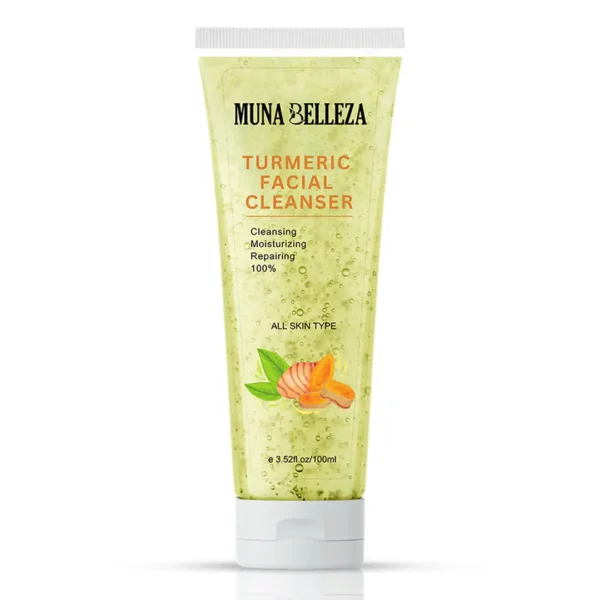 Turmeric face wash
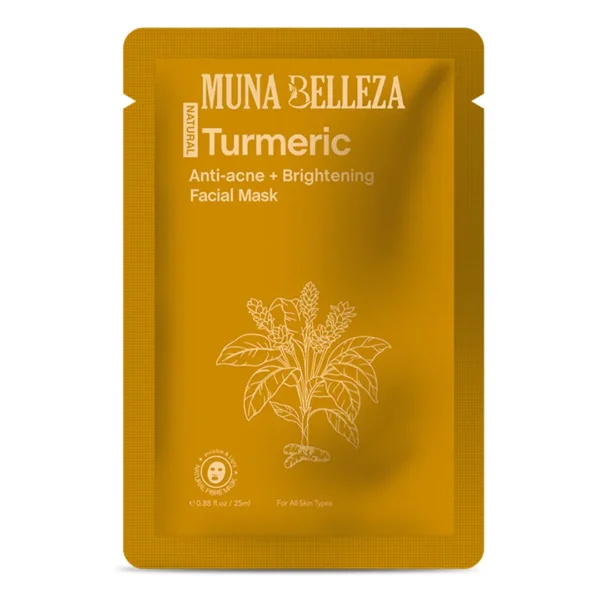 Turmeric face mask
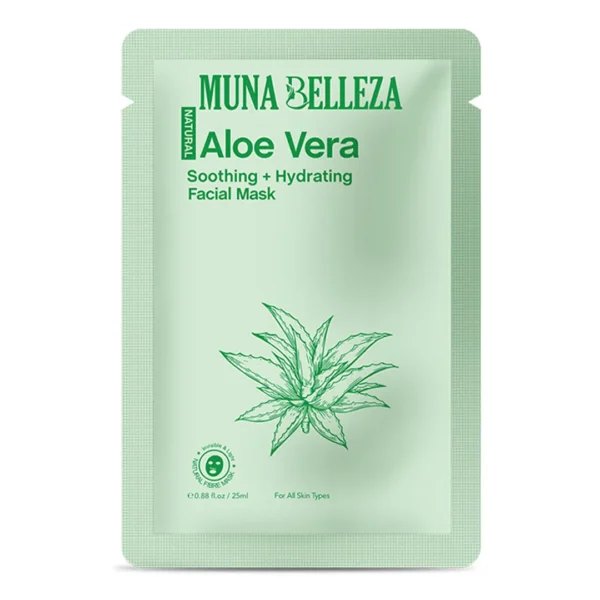 Aloe vera mask