Most people don’t have one big dark spot; they have skin that just looks patchy. A darker forehead, a shadow above the lip, red cheeks, a duller jawline. That’s uneven skin tone, and in the UAE, with strong sun all year, it’s one of the most common skin worries for every skin colour.
The good news is that most uneven tone responds well to a simple, steady routine. The key is knowing which kind you have, because brown patches, redness and dullness each need a slightly different approach. Our dark spot remover for face range targets the brown patches, and this guide covers the rest.
What is uneven skin tone?
Uneven skin tone simply means your face isn’t one consistent colour. It’s an umbrella term rather than a diagnosis, and it usually includes one or more of these:
- Brown or darker patches from extra melanin, such as sun tanning, acne marks or melasma.
- Redness from irritation, broken capillaries, rosacea or active pimples.
- Dullness or greyness from dead skin build-up and dehydration, which makes skin reflect light unevenly.
If you have clear, defined spots, our guide to dark spots on face goes deeper. For larger patches, see hyperpigmentation.
Which kind do you have? A 2-minute check
Look at your bare face in daylight, near a window.
- Brown, tan or grey-brown areas (forehead, cheeks, upper lip, around the mouth): pigmentation. Gently press the area: it stays the same colour.
- Pink or red areas that fade briefly when you press them: redness from blood vessels, irritation or rosacea.
- Flat, dull, slightly rough skin that looks better straight after a hydrating mask: dullness and dehydration.
- Darker, velvety skin on the neck or in skin folds: this can be acanthosis nigricans, often linked to insulin resistance. See a doctor rather than treating it with creams alone.
What causes uneven skin tone
- Sun exposure: the biggest cause. UV light triggers melanin unevenly, especially on the forehead, cheeks and nose, and keeps old marks dark.
- Post-inflammatory marks: pimples, eczema, insect bites and picking leave flat darker marks, more so on medium and dark skin.
- Hair removal: threading, waxing and shaving can darken the upper lip and jawline through repeated irritation.
- Hormones: pregnancy, birth control pills and hormonal changes can cause melasma. Read our melasma guide.
- Harsh products: strong scrubs, fragranced products and DIY lemon treatments irritate the skin and create new patches.
- Dehydration and dead skin build-up: make the whole face look dull and patchy.
- Health factors: some medicines, thyroid problems and vitamin B12 deficiency can change skin colour. If darkening appears suddenly or comes with other symptoms, see a doctor.
How to fix uneven skin tone on face
The best treatment for uneven skin tone is a routine you’ll follow for at least 8–12 weeks:
Morning
- Gentle cleanser.
- Vitamin C serum for brightness and sun-damage protection.
- Light moisturiser.
- Broad-spectrum sunscreen, SPF 30 or higher, reapplied if you’re outdoors. Tinted sunscreen gives extra protection against visible light, which matters for darker patches.
Evening
- Cleanse well to remove sunscreen.
- A tone-evening serum with niacinamide, alpha arbutin or azelaic acid.
- Moisturiser.
- Two or three nights a week: a gentle exfoliant (glycolic, lactic or salicylic acid) or a retinoid, not both on the same night.
For redness, skip strong acids and focus on calming ingredients and sunscreen. For dullness, gentle exfoliation and hydration make the biggest difference.
Ingredients that even out skin tone
- Niacinamide: reduces the transfer of pigment to skin cells and calms redness. See our niacinamide guide.
- Vitamin C: brightens and protects against sun damage.
- Alpha arbutin: slows melanin production gently.
- Azelaic acid: helps both pigmentation and redness, good for sensitive and darker skin.
- Glycolic or lactic acid: remove dull surface cells. Read our glycolic acid guide.
- Retinoids: speed up skin renewal for texture and tone.
- Centella and panthenol: soothe redness and support the skin barrier.
When choosing the best products for uneven skin tone, a serum is usually more effective than a cream or face wash, because it stays on the skin. A face wash for uneven skin tone can help with gentle exfoliation, but it won’t do the job alone. For a full buying guide to creams and serums, see the best cream for pigmentation.
Facials and clinic treatments
The best facial for uneven skin tone is usually a series of light chemical peels (glycolic, lactic or mandelic acid) a few weeks apart, combined with a good home routine. Clinics also offer microneedling and carefully chosen lasers. On medium and dark skin, ask for a dermatologist experienced with your skin type, because aggressive treatments can cause new darkening.
Home remedies: honest verdicts
- Aloe vera and honey: soothing and hydrating; they make skin look fresher but don’t fade pigment much.
- Yoghurt masks: mild lactic acid, gentle and generally safe.
- Lemon, baking soda and toothpaste: avoid. They irritate the skin and can cause new dark patches, especially in the sun.
- Turmeric: may calm the skin a little, but it can stain and irritate; patch-test first.
Common questions
How long does it take to even out skin tone?
Dullness can improve in 2–4 weeks; tanning and acne marks usually take 6–12 weeks; melasma can take months and needs ongoing sun protection.
What’s the best approach for uneven skin tone on dark skin?
Gentle ingredients such as niacinamide, azelaic acid and alpha arbutin, daily tinted sunscreen, and patience. Avoid strong peels and harsh scrubs, which can leave new marks.
What is the best moisturizer for uneven skin tone?
A moisturiser with niacinamide or a gentle brightening ingredient, used after your serum, and always followed by sunscreen in the morning.
Can uneven skin tone be permanent?
Most uneven tone fades with the right routine. It often comes back without daily sun protection, which is why sunscreen is the step you can’t skip.
Ready to even out your skin tone? Our serums and creams are made in Korea, with free delivery to every emirate and cash on delivery available.
Learn more about our face serums.
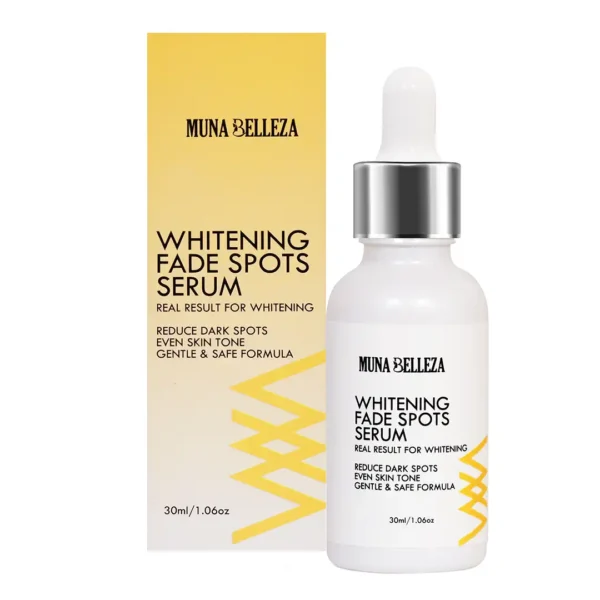 Dark spot correcting serum
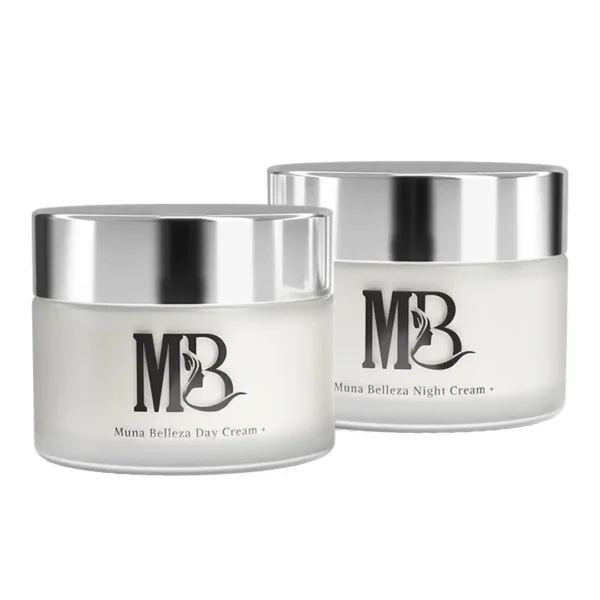 Day and night cream
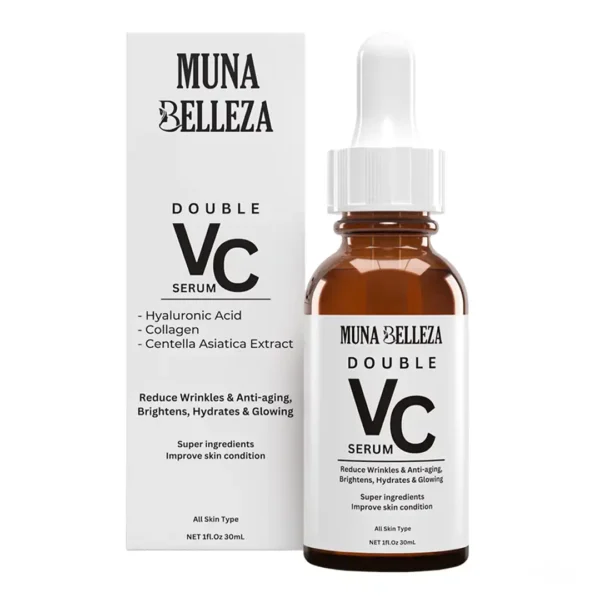 Vitamin C serum