Tiny white or skin-coloured bumps that make the skin feel rough, especially on the forehead and chin, and never seem to come to a head. Whiteheads are one of the most common skin complaints in the UAE, and also one of the most misunderstood: they are often squeezed like pimples, scrubbed like dirt, or confused with something else entirely.
This guide explains what whiteheads are, what causes them, how to tell them apart from look-alikes, and how to clear them without marking your skin. Whiteheads respond best to ingredients that unclog pores from inside, which is why a salicylic acid blackhead mask once or twice a week helps with both whiteheads and blackheads.
What are whiteheads?
A whitehead is a pore blocked with oil and dead skin cells, sealed under a thin layer of skin. Dermatologists call it a closed comedone. Because the plug isn’t exposed to air, it stays white or skin-coloured instead of turning dark like a blackhead. Whiteheads aren’t inflamed or painful; they are the earliest stage of acne, and if bacteria multiply inside, some turn into red pimples.
Our guide to clogged pores explains how pores block in the first place, and why some people get open pores and blackheads while others get closed bumps.
Whitehead, pimple or milia?
- Whitehead: small, flat or slightly raised, skin-coloured or white, not red or sore, often many together.
- Pimple with a white head (pustule): red and tender around a yellow-white centre; this is inflamed acne, not a whitehead.
- Milia: hard, pearly white dots, often around the eyes and cheeks. They are trapped keratin, not oil, and acne products don’t clear them; a dermatologist can remove them.
- Itchy bumps of the same size on the forehead or chest that flare in the heat may be a yeast-related rash rather than whiteheads.
- Soft yellowish bumps with a dip in the middle, usually after age 40, may be enlarged oil glands (sebaceous hyperplasia).
If you’re not sure, a dermatologist can tell at a glance, which saves months of using the wrong product.
What causes whiteheads
- Extra oil: hormones during the teenage years, before periods and in conditions such as PCOS increase oil production.
- Sticky dead skin cells that don’t shed properly and block the pore opening.
- Heavy products: thick creams, oils, some sunscreens, foundations and hair pomades are a very common cause of whiteheads along the forehead and hairline.
- Heat, sweat and humidity: UAE summers and long hours in a cap, helmet or face covering trap oil and sweat against the skin.
- Over-cleansing and scrubbing: irritated skin can produce more oil and shed unevenly.
How to remove whiteheads
Whiteheads clear from the inside out. The goal is to loosen the plug and keep the pore from blocking again, which takes four to eight weeks of steady use.
- Wash twice a day with a gentle cleanser. Our turmeric face wash suits oily, breakout-prone skin.
- Use salicylic acid (BHA) daily or every other day. It dissolves oil inside the pore. See our salicylic acid guide for strengths.
- Add a retinoid at night if whiteheads don’t improve after a month. Adapalene is especially effective for closed comedones; start two or three nights a week.
- Try a gentle AHA such as glycolic acid once or twice a week if skin also looks dull and rough. Our glycolic acid guide explains how to combine it safely.
- Moisturise with an oil-free lotion so treatments don’t leave skin dry and flaky.
- Wear sunscreen every morning, choosing a light, non-comedogenic formula.
Don’t use all of these at once. Start with salicylic acid, then add one more step at a time.
Should you squeeze whiteheads?
Better not. Unlike a blackhead, a whitehead is sealed by skin, so squeezing usually tears the surface before the plug comes out. That leaves a red mark, a scab or a pimple where there was only a small bump. If a few stubborn whiteheads bother you, a dermatologist or trained facialist can open them with a sterile tool and extract them cleanly, usually after a few weeks of salicylic acid or a retinoid has loosened them.
Whiteheads on the nose, chin and forehead
- Nose: the oiliest part of the face, so whiteheads and blackheads often appear together. A weekly BHA mask and daily salicylic acid work well. For the dark plugs, see our guide to blackhead removal.
- Chin and jaw: often linked to hormones. If they flare before your period, keep up the routine all month, not just when they appear.
- Forehead and hairline: check hair oils, gels and caps. Keep hair products off the face and wash them off the hairline at night.
- Around the mouth: thick lip balms and some toothpastes can play a part.
How to stop whiteheads coming back
- Keep using salicylic acid or a retinoid two or three times a week once skin is clear.
- Choose products labelled non-comedogenic or oil-free, especially sunscreen and foundation.
- Remove make-up and sunscreen fully every night.
- Wash after sweating and change pillowcases twice a week.
- Avoid harsh scrubs, which irritate rather than unclog.
Common questions
Do whiteheads go away on their own?
Some do, slowly, as the skin renews, but many stay for weeks or months. A daily pore-clearing ingredient speeds this up.
Does hot water or steam open pores?
Pores don’t open and close like doors. Warm water and steam soften the oil plug, which can make extraction easier, but they don’t clear whiteheads on their own. Very hot water dries and irritates the skin.
Can I shrink my pores?
You can’t change pore size permanently, but keeping pores clear makes them look smaller. Read more in our guide to open and clogged pores.
Do pore strips work on whiteheads?
No. Strips pull out some surface blackhead plugs, but whiteheads are under the skin and stay put.
Why do I suddenly have lots of whiteheads?
The most common reasons are a new cream, sunscreen or foundation, more sweating, a change in hormones, or starting a retinoid (a short “purge” can bring blocked pores to the surface in the first weeks).
Ready to clear your skin? Our salicylic acid mask and face wash are made in Korea, with free delivery to every emirate and cash on delivery available.
Learn more about our face masks.
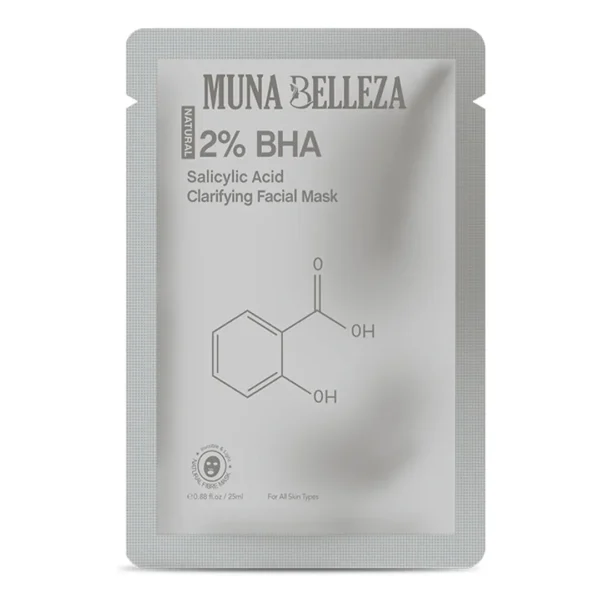 BHA mask for whiteheads
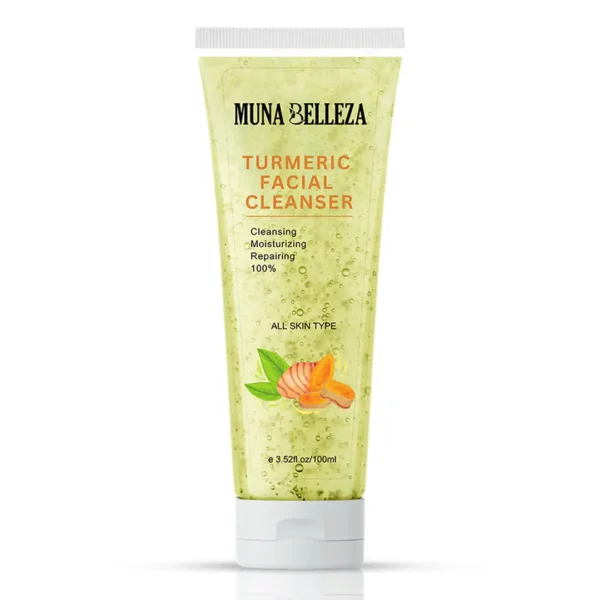 Daily face wash
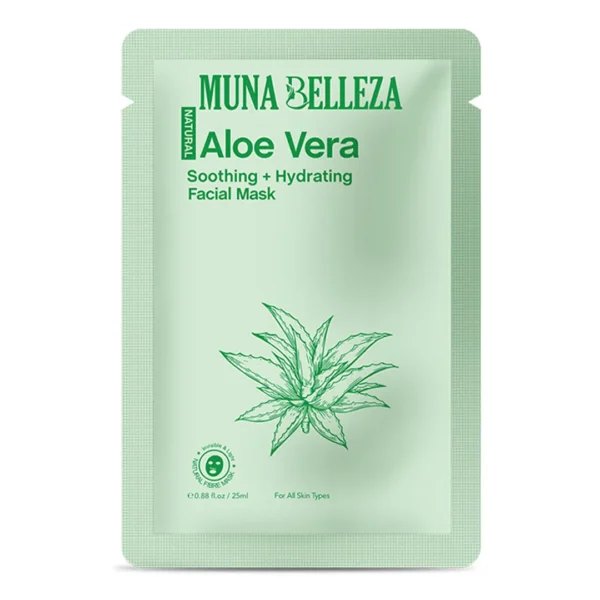 Soothing aloe mask