If you’ve ever picked up a soothing cream at a UAE pharmacy, there’s a good chance it contained panthenol. It’s one of the most widely used ingredients in skincare, yet few people know what it is. In short, panthenol is a form of vitamin B5 that helps skin hold on to water and recover when it’s dry, irritated or freshly treated.
This guide explains what panthenol does, the difference between D-panthenol and DL-panthenol, the most useful panthenol cream uses, and how to fit it into your routine. If you’re building a routine from scratch, start with our guide to the skin care routine, or browse our Korean skin care range.
What is panthenol?
Panthenol is the alcohol form of pantothenic acid (vitamin B5). When you apply it, the skin converts it into pantothenic acid, which is part of coenzyme A, a molecule cells use to make the fats that build the skin barrier. It’s a clear, slightly sticky liquid or white powder that dissolves easily in water, so it fits into almost any product: creams, serums, gels, sprays, lip balms and shampoos.
On an ingredient list (the INCI name) you’ll see it as Panthenol, sometimes D-Panthenol or Dexpanthenol.
Panthenol for skin: the benefits
- Hydration: panthenol is a humectant, so it pulls water into the top layer of the skin and helps it stay there. Skin feels softer and less tight.
- Barrier support: studies of dexpanthenol creams show faster recovery of an irritated skin barrier and less water loss from the skin.
- Soothing: it reduces redness and itching from dryness, shaving, sun and strong actives, which is why it’s often paired with retinoids and acids.
- Repair support: doctors use dexpanthenol creams after minor wounds, laser treatments and tattoos because they help the surface heal comfortably.
- Gentle on all skin types: it’s lightweight and non-greasy, so it suits oily, acne-prone and sensitive skin as well as dry skin.
These D-panthenol skin benefits are real but modest: panthenol is a comfort and repair ingredient, not a treatment for acne, wrinkles or dark spots.
Panthenol cream uses
- Dry, tight skin: especially in air-conditioned rooms or the cooler UAE winter months. See our dry skin guide.
- Irritation from actives: apply a panthenol moisturiser after retinol, salicylic acid or glycolic acid to reduce stinging and peeling.
- Mild sunburn: a cooling panthenol gel, foam or spray can soothe pink, sore skin after too much sun. Stay out of the sun, drink water, and see a doctor if you have blisters, fever or large areas burned. Prevention with sunscreen is still the real fix.
- After shaving, threading or waxing: calms redness and razor burn.
- After clinic treatments: many clinics recommend a simple panthenol cream after peels, microneedling or laser, but always follow your own clinic’s aftercare.
- Chapped lips and dry patches: a panthenol balm softens cracked lips, cheeks and the skin around the nose during a cold.
- Hair: in shampoos and conditioners it coats the hair shaft so hair feels smoother and looks shinier.
You’ll see many pharmacy products sold with names like “Panthenol Plus”, “Panthenol Extra” or “SOS” sprays. These are brand names; the useful information is on the label: how much panthenol is inside, and what else is in the formula.
D, DL and strengths on the label
- D-panthenol (dexpanthenol): the active form your skin converts to vitamin B5.
- DL-panthenol: a 50/50 mix of the active D form and an inactive L form. It still works, but you need more of it for the same effect.
- Strength: skincare usually contains 1–5%. Soothing pharmacy creams often contain 5% dexpanthenol. A “panthenol 2%” serum or toner is a reasonable everyday level. More isn’t always better; very high levels can feel sticky.
- Formula partners: panthenol works well with ceramides, glycerin, hyaluronic acid, niacinamide, centella and allantoin.
How to use panthenol in your routine
Panthenol plays nicely with almost everything, so there’s no wrong time to use it. Use it morning and evening after cleansing, either as a serum before moisturiser or inside your moisturiser itself. On nights you use retinol or an acid, apply the active first, then a panthenol cream on top to cushion it. For dry patches, you can use a thin extra layer only where needed.
It also pairs well with niacinamide and hyaluronic acid; see what to mix with niacinamide for a simple layering order.
Is panthenol safe?
Yes, panthenol is considered very safe and is used in products for babies. Allergic reactions are rare but possible; if you notice itching, redness or a rash, stop using it. It’s generally considered fine in pregnancy and while breastfeeding as a cosmetic ingredient, but check with your doctor about any medicated cream.
Common questions
What is panthenol used for in skincare?
Mainly to hydrate, soothe and support the skin barrier, especially in dry, irritated or freshly treated skin.
Is panthenol good for acne-prone skin?
Yes. It’s light, non-greasy and not known to clog pores, and it can calm the dryness caused by acne treatments. It won’t clear acne on its own.
Can panthenol be used every day?
Yes, morning and night. It’s one of the gentlest ingredients you can use daily.
Is panthenol the same as vitamin B5?
Not exactly: panthenol is a provitamin that your skin converts into vitamin B5 (pantothenic acid).
The night cream in our day and night set contains panthenol along with hyaluronic acid, argan oil and vitamin E for comfortable overnight hydration. Our serums and creams are made in Korea, with free delivery to every emirate and cash on delivery available.
Learn more about our day and night cream.
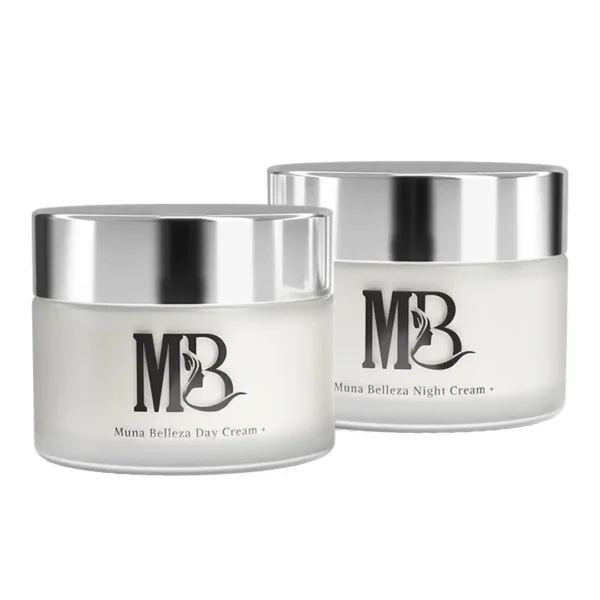 Day and night cream
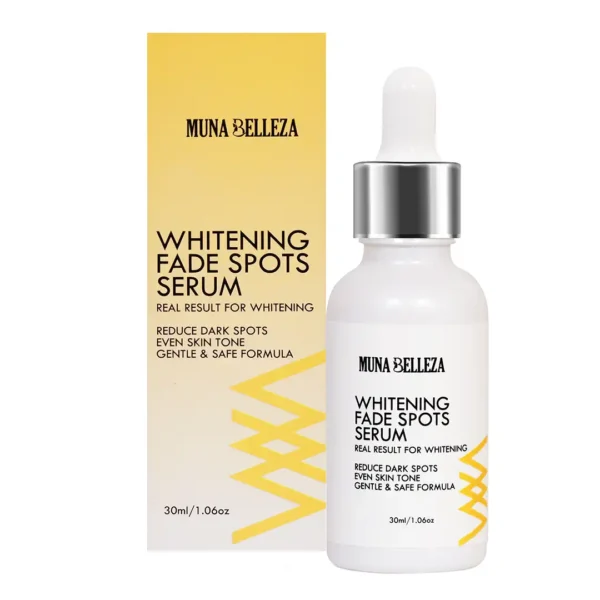 Dark spot correcting serum
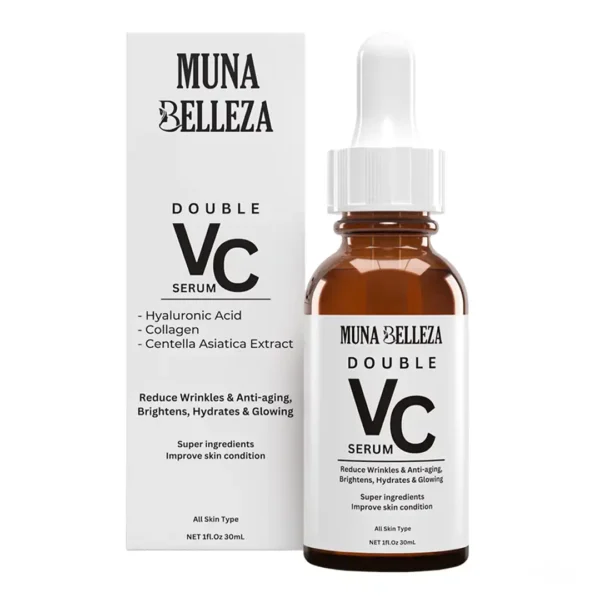 Vitamin C serum