Cica is one of the most loved ingredients in Korean skincare, and for good reason. Short for Centella asiatica, it’s a plant extract known for calming red, irritated skin and helping a stressed skin barrier recover. If your face reacts to heat, sun, shaving, strong actives or long days in air conditioning, cica is often the ingredient that brings it back to comfortable.
This guide explains what cica is, what the research says it does, who benefits most, how to use it alongside other products, and what it can’t do. The easiest way to add it to your routine is a serum that already contains it, such as our vitamin c serum for face with centella.
What is cica?
Centella asiatica is a small leafy plant that grows in damp areas across Asia. It’s been used in traditional medicine for wound care for centuries, and it’s sometimes called “tiger grass”, from the story that injured tigers rolled in it. In skincare, “cica” (from the Latin cicatrix, meaning scar) is the everyday name for products that contain it.
Its main active compounds have names you’ll see on labels:
- Madecassoside and asiaticoside
- Asiatic acid and madecassic acid
Together they’re responsible for most of centella’s calming and repairing effects. On an ingredient list, you’ll usually see “Centella Asiatica Extract”, “Centella Asiatica Leaf Water” or one of the compounds above.
Cica benefits for skin
Research reviews of centella in cosmetics point to several real benefits, mostly from lab and small human studies:
- Calms redness and irritation. Centella has anti-inflammatory effects, which is why it’s added to products for sensitive or reactive skin.
- Supports the skin barrier. It helps skin hold water better; in one study, a cream with centella extract improved hydration and reduced water loss from the skin.
- Helps skin recover. Its traditional use in wound care is backed by studies showing it supports collagen production during healing.
- Antioxidant support. It helps protect skin from everyday stress like sun and pollution, alongside your sunscreen.
In simple terms, centella asiatica is good for skin that’s having a hard time. It’s a “comfort” ingredient rather than a fast-acting treatment.
Who should use cica?
- Sensitive or easily red skin that reacts to heat, wind or new products.
- Anyone using strong actives such as retinol, acids or vitamin C, to keep irritation down.
- After sun, waxing, threading or shaving, when skin feels hot and tight.
- Acne-prone skin, where calming the redness around spots matters as much as treating them.
- Dehydrated skin from long hours in air conditioning.
It suits all skin types, including oily skin, because it’s usually found in light textures.
Cica cream, serum, mask or oil?
- Cica cream: what most people mean by “cica”. Usually a thicker, soothing cream for repairing irritated skin, often used at night or on dry patches. What is cica cream best for? Calming and protecting a stressed barrier.
- Serums and essences with centella: light enough for oily skin and easy to layer under moisturiser.
- Sheet masks with centella: a quick calming boost after sun or a long day. See how to use a face mask.
- “Cica oil”: usually a plant-oil blend with centella extract. Fine for dry skin; oily skin may prefer a gel or serum.
- Centella blemish or spot creams: apply a thin layer to individual red spots after your serum and before moisturiser, or as the pack directs.
How to use cica in your routine
- Cleanse gently.
- Apply your serum; if it contains centella, that’s your cica step.
- Add a cica cream or moisturiser, especially at night or after actives.
- Finish with sunscreen in the morning.
Cica plays well with almost everything. It pairs nicely with niacinamide for redness, with panthenol for extra soothing, and with aloe; see aloe vera uses for face. It’s also a good partner for vitamin C and retinol because it helps keep irritation in check.
What cica can’t do
- It isn’t a scar remover. It may help skin recover, but it won’t flatten old acne scars. See acne marks vs acne scars.
- “Cica care” scar sheets are a different thing. Some products sold under names with “cica” are silicone gel sheets, a medical dressing for raised scars. They work through the silicone, not centella. Ask a pharmacist if that’s what you need.
- It won’t fade dark spots on its own. Pair it with brightening ingredients for that.
- It’s not a replacement for medical care for eczema, rosacea or infected skin.
Is centella asiatica safe?
For most people, yes. Centella is one of the gentler skincare ingredients, and reactions are uncommon. As with any plant extract, allergies are possible, so patch-test new products on your jawline for a few days, especially if your skin is very sensitive. Check the rest of the formula too: a soothing cica cream with strong fragrance can still irritate.
Our products with cica
- Double Vitamin C Serum: ascorbic acid with hyaluronic acid, collagen, centella, aloe and beta-glucan, with no added fragrance. The centella and aloe help keep a daily vitamin C serum comfortable.
- Aloe Vera Face Mask: a leave-on sheet mask with glycerin, beta-glucan, centella, ectoin and hyaluronic acid for calming sun-tired or AC-dried skin. It contains fragrance.
- Collagen Face Mask: a sheet mask where centella, chamomile, licorice and allantoin keep it comfortable while it hydrates and smooths.
We don’t make a dedicated cica cream, so if you want one, look for centella or madecassoside high on the ingredient list. For more Korean favourites, see our guide to the best Korean skin care products.
Common questions
What does cica do for your skin?
It calms redness and irritation, supports the skin barrier and helps stressed skin recover. Think of it as a soothing, repairing ingredient.
Is centella asiatica good for oily and acne-prone skin?
Yes. It’s light and non-greasy in most serums and gels, and it helps calm the redness around breakouts.
Can I use cica every day?
Yes, morning and night. It’s gentle enough for daily use.
Can I use cica with retinol or vitamin C?
Yes. Cica is a good partner for strong actives because it helps reduce the irritation they can cause.
How long does cica take to work?
Many people feel calmer, more comfortable skin within days. Barrier improvements build over a few weeks of regular use.
Skin feeling stressed by sun, heat or strong products? A little cica goes a long way. Our products come with free delivery to every emirate and cash on delivery.
Learn more about our face serums.
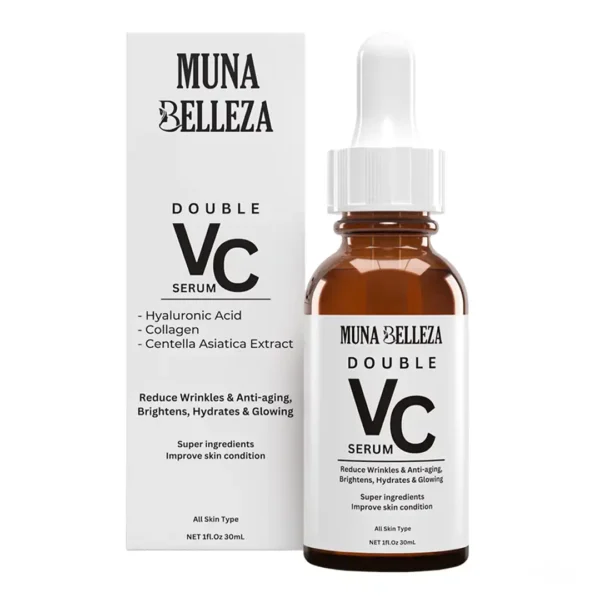 Vitamin C serum
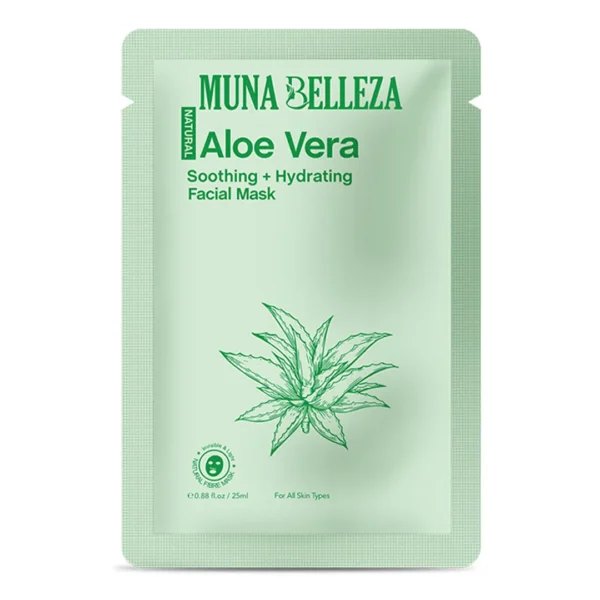 Aloe vera face mask
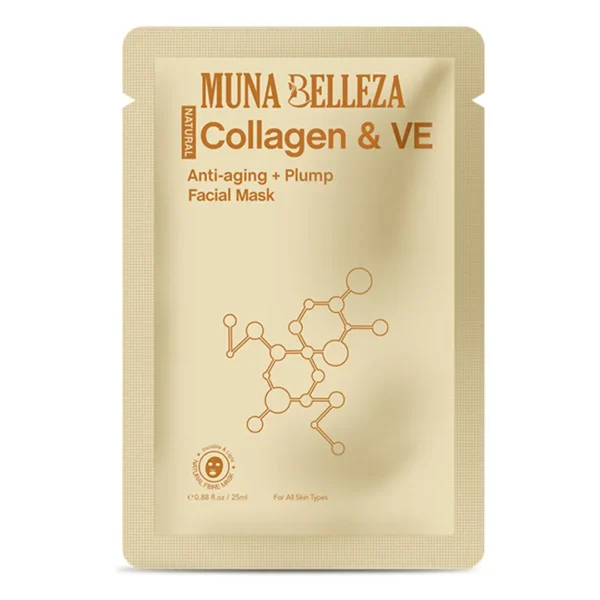 Collagen face mask