If your face stings after a new cream, turns pink after a hot shower, or feels tight after a day in the office air-conditioning, you already know how hard it is to trust a jar. The best skin moisturizer for sensitive skin isn’t the one with the longest ingredient list or the prettiest packaging. It’s the one your skin quietly accepts, day after day, without a reaction.
This guide shows you how to read a label, which ingredients tend to calm sensitive skin and which ones often upset it, how to pick a texture that suits your skin and the weather, and how to test a new product safely. At the end you’ll find honest picks from our own range, including where to be careful.
What “sensitive skin” really means
Sensitive skin isn’t a single skin type. Dermatologists use the term for skin that reacts with unpleasant feelings, such as stinging, burning, tingling, itching or tightness, to things that normally wouldn’t bother skin. Those triggers can be products, water, heat, cold, sun or stress. Sometimes you can see redness. Often you can’t, and the skin just feels uncomfortable.
It can sit on top of any skin type. Dry skin is often sensitive because a weak barrier lets irritants in more easily, but oily and combination skin can be sensitive too. If you want to understand the barrier better, read our guide to the skin barrier.
A few things make sensitivity worse in the UAE in particular: long hours in dry, air-conditioned rooms, strong sun, hot showers, hard water and over-washing. Your moisturiser can’t change the weather, but it can help your barrier hold on to water and stay calmer.
One important note: sensitive skin is different from eczema, rosacea or an allergy. If you have a rash, flaking patches, swelling, or redness that doesn’t settle, see a dermatologist rather than trying cream after cream.
Signs your moisturiser isn’t working
- Stinging or burning that lasts more than a minute or two after you apply it.
- New redness, small bumps or itchy patches after a few days of use.
- Skin that feels tight again within an hour, even though you used plenty.
- Dry, flaky areas around the nose, mouth or eyes that keep getting worse.
A mild tingle that fades quickly can happen with some active ingredients. Anything that keeps burning, or a rash, means stop using the product and rinse your face with cool water.
What to look for on the label
For sensitive skin, a short and simple formula is usually kinder than a long one. Fewer ingredients mean fewer chances of a reaction, and it’s easier to work out what caused a problem if one happens.
Ingredients that are generally well tolerated and help the skin barrier:
- Glycerin and hyaluronic acid (sodium hyaluronate): humectants that pull water into the top layer of skin.
- Ceramides, shea butter and plant oils such as sunflower or soybean oil: help fill the gaps between skin cells, so less water escapes.
- Panthenol (pro-vitamin B5): soothes and supports a comfortable, hydrated feel. More in our panthenol guide.
- Niacinamide: supports the barrier and can help with redness at moderate strengths. Some very reactive skin tingles with it at first, so start slowly. Read more about niacinamide.
- Allantoin, centella asiatica, aloe and oat: soothing ingredients often used in calming creams.
Look for the words “fragrance-free” rather than “unscented”. An unscented product may still contain a masking fragrance. On the ingredient list, fragrance appears as parfum, fragrance or aroma.
Ingredients to skip or patch-test
- Fragrance and essential oils (parfum, aroma, lavender, peppermint, citrus oils): one of the most common reasons for skin reactions to cosmetics.
- Denatured alcohol high on the list: can feel fresh but may dry and sting reactive skin.
- Menthol and camphor: the cooling feeling is a sign the skin is being stimulated.
- Strong actives in the same step: retinoids, high-strength vitamin C and exfoliating acids are useful, but keep them out of your moisturiser while your skin is reactive. Add them later, one at a time.
“Hypoallergenic” and “dermatologist tested” are helpful signs, but they aren’t guarantees. They don’t mean a product can never cause a reaction, so a patch test still matters.
Choosing the right texture
Texture decides whether you’ll actually use a cream twice a day, so match it to your skin and your day.
- Oily or combination sensitive skin: a light lotion or gel-cream that sinks in fast and sits well under sunscreen.
- Normal sensitive skin: a soft cream that leaves skin comfortable, not shiny.
- Dry, tight sensitive skin: a richer cream with butters or oils, especially at night and after long days in AC. Our dry skin guide has more tips.
Many people with sensitive skin do well with a lighter cream in the morning and a slightly richer one at night.
How to patch test a new cream
- Pick a small area along your jawline or just in front of your ear.
- Apply a thin layer once or twice a day, in the same spot, for five to seven days.
- Watch for redness, bumps, itching or burning. Check in daylight.
- No reaction? Use it on half your face for a few days, then your whole face.
Introduce one new product at a time and wait about two weeks before adding the next. If your skin reacts, you’ll know exactly which product caused it.
A calm daily routine
Morning: rinse with lukewarm water or use a gentle cleanser, apply your moisturiser to slightly damp skin, then finish with sunscreen. Mineral sunscreens with zinc oxide or titanium dioxide are often easier on reactive skin.
Night: cleanse gently to remove sunscreen and sweat, pat dry, and apply your moisturiser. If your skin feels very dry, a slightly thicker layer at night helps.
Small habits make a big difference: keep showers warm rather than hot, pat your face dry instead of rubbing, and don’t scrub. If the water in your building is hard, a gentle, low-foam cleanser and a moisturiser straight after washing help reduce tightness.
Our picks
Honest note: we don’t make a cream designed only for sensitive skin. These are the products in our range that suit sensitive skin best, and where to be careful:
- Day and Night Cream Set: the Day Cream is fragrance-free, with niacinamide, panthenol, aloe, shea butter, and soybean and sunflower oils. It’s light, sinks in quickly and sits well under sunscreen. The Night Cream is richer but contains fragrance (aroma), vitamin C and arbutin, so if your skin is very reactive, patch-test it first and start with two or three nights a week. You can also use the Day Cream morning and night.
- Amino Acid Gentle Bubble Cleanser: a fragrance-free, low-stripping cleanser with mild amino-acid cleansing agents, betaine and allantoin. A gentle wash makes any moisturiser work better.
- Aloe Vera Face Mask Sheet: centella, panthenol, beta-glucan and aloe for a calming, hydrating boost once or twice a week. It contains fragrance (parfum), so patch-test first.
Common questions
Is a moisturiser for sensitive skin different from a normal one?
Usually it has a shorter formula, no fragrance and fewer strong actives. The goal is to hydrate and protect without adding anything likely to irritate.
Can I use niacinamide on sensitive skin?
Often yes. Niacinamide supports the barrier, but very reactive skin can tingle with it at first. Patch-test and start once a day.
How often should I moisturise sensitive skin?
Twice a day, after cleansing, and again whenever your skin feels tight, for example after a long flight or a day in strong AC.
Why does my moisturiser sting?
Stinging can come from fragrance, alcohol, acids or a damaged barrier. Stop using it, keep your routine very simple for a week, then patch-test before trying again.
When should I see a dermatologist?
See a dermatologist if redness, burning or itching doesn’t settle, if you get a rash or swelling, or if you think you may have rosacea or eczema.
Ready for a calmer routine? Start with a gentle cleanser and a fragrance-free day cream, with free delivery to every emirate and cash on delivery.
Learn more about our products for sensitive skin.
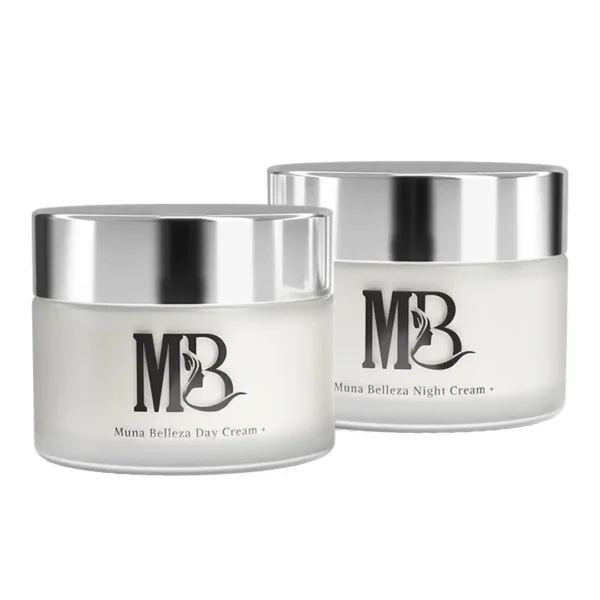 Day and night cream
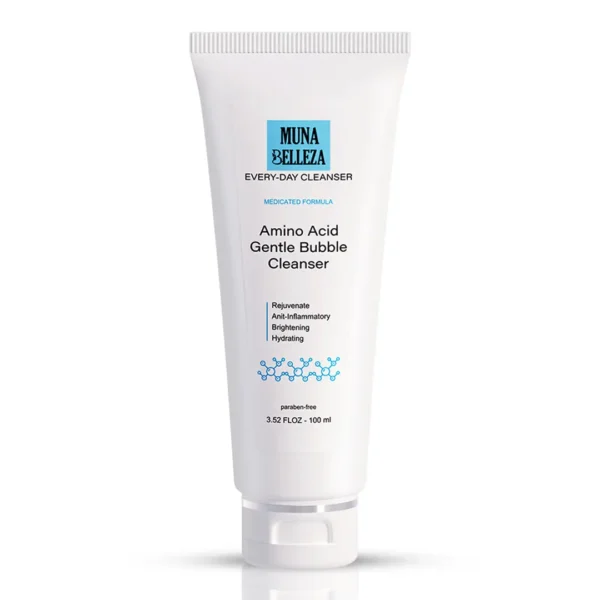 Gentle cleanser
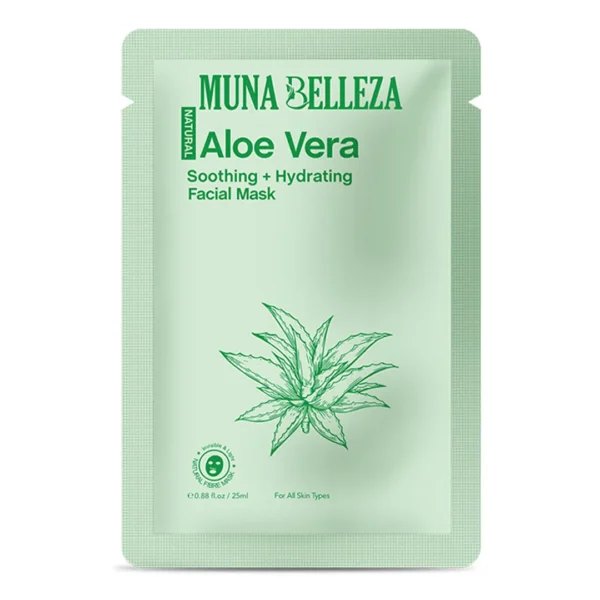 Aloe vera mask