You start a new acid or retinol, and a week later your skin looks worse than before. Online, the answer is always the same: it’s just skin purging, keep going. Sometimes that’s true. But the word gets used for every new spot, and pushing through a real reaction can leave you with irritated skin and marks that last for months.
So how do you tell the difference? It comes down to three things: what you started using, where the spots appear and how long they stay. Below we explain what purging really is, how long it lasts, how to tell it apart from a breakout, and when to stop. If breakouts are a regular thing for you, see our gentle acne prone skin products too.
What is skin purging?
Skin purging is a short-term flare of spots that can happen when you start an ingredient that speeds up skin cell turnover. Your skin is always forming tiny clogs under the surface, called microcomedones, that take weeks to become visible. When turnover speeds up, those hidden clogs rise to the surface faster, so you see several weeks’ worth of spots in a shorter time.
The key point is that purging doesn’t create new problems. It brings up clogs that were already forming, in the places you normally break out. Once they’ve cleared, skin is usually smoother than before.
What causes purging
Only ingredients that change how fast skin renews itself can cause a true purge:
- Retinoids: retinol, retinal, adapalene and prescription tretinoin. These are the most common cause, and stronger ones are more likely to purge.
- Exfoliating acids: salicylic acid (BHA) and glycolic acid and other AHAs, especially in leave-on products or regular masks.
- Benzoyl peroxide and some prescription acne creams.
- Peels, microneedling and some laser treatments done at a clinic.
A moisturizer, sunscreen, cleanser, foundation or a soothing serum doesn’t speed up turnover, so new spots after one of those are not purging. Niacinamide is a good example: it’s often blamed, but it doesn’t speed up cell turnover. We explain this in our guide to does niacinamide cause purging.
Purging or breakout? How to tell
It’s probably purging if:
- You recently started a retinoid, an exfoliating acid or benzoyl peroxide.
- The spots are in your usual problem areas, such as the chin, nose or forehead.
- They’re mostly small whiteheads, blackheads or small red bumps.
- Each spot comes and goes faster than your usual pimples.
- Things are clearly calming down by about week six.
It’s probably a breakout or reaction if:
- The new product has no turnover-boosting ingredient.
- Spots appear in places you don’t normally break out, such as the cheeks or jawline when you usually get them on the forehead.
- You get deep, painful lumps or cysts.
- Your skin also itches, burns, swells or turns red and rough.
- It’s still getting worse after six to eight weeks.
How long does purging last?
Most purges start within the first two weeks, are at their worst around weeks two to four, and settle within four to six weeks, roughly one skin renewal cycle. Strong prescription retinoids can take a little longer, up to about eight weeks.
If your skin is no better after six to eight weeks, or is getting worse, it’s not a purge that will pass on its own. Stop the product and speak to a doctor or dermatologist. It’s also worth knowing that studies of prescription acne gels found big flares were less common than social media suggests, so don’t assume a bad reaction is just purging.
How to get through a purge
- Introduce actives slowly. Begin with a new acid or retinoid on alternate nights at most, then build up.
- Change one product per fortnight, otherwise you won’t know which one caused the spots.
- Keep the rest of your routine simple: a mild cleanser, a plain moisturizer and sunscreen.
- Don’t pick or squeeze. Purge spots heal faster when left alone, and squeezing leaves marks.
- Wear sunscreen every day. Acids and retinoids leave skin burning faster in strong light, and UV darkens the marks spots leave behind.
- Don’t stack actives to speed it up. Adding a second acid or a scrub just irritates skin.
When it isn’t purging
Stop a product straight away if it stings or burns for more than a few minutes, leaves skin red and peeling, causes itching or a rash, or brings painful cysts. These are signs of irritation or allergy, not purging. Go back to a minimal routine until skin calms down, and read our guide to face redness if it stays red. If the spots are frequent and deep, a dermatologist can prescribe treatment that works better than any over-the-counter product.
Our products and purging
- The Salicylic Acid Face Mask (2% BHA) contains salicylic and glycolic acids, so a few people notice small spots surfacing in their usual areas in the first weeks. Start with one mask a week at night, and see our guide to does salicylic acid cause purging for more.
- Our cleansers, creams and serums such as the Turmeric Face Wash and the Dark Spot Correcting Serum don’t contain retinoids or leave-on exfoliating acids, so new spots after starting them aren’t purging. Stop and patch test again if you suspect a reaction.
Common questions
Is purging a good sign?
It can be. It usually means an active ingredient is working on clogs under the surface. But it should be short and mild, and the result should be clearer skin afterwards. If it isn’t, the product may not suit you.
Can purging happen on the cheeks?
Yes, if you normally get spots on your cheeks. The giveaway is location: purging shows up where you usually break out, not in brand-new areas.
Can I skip purging altogether?
Not always, but starting slowly helps. Use the active every two or three nights, choose a lower strength first and keep the rest of your routine gentle.
Does purging leave scars?
Purge spots are usually small and short-lived, so they rarely scar if you don’t pick them. They can leave flat pink or brown marks that fade over weeks, faster with daily sunscreen.
Should I stop using the product while purging?
If it’s a true purge, cutting back to fewer nights a week is usually better than stopping completely, as restarting can begin the cycle again. If you have pain, burning or a rash, stop.
Every order ships free across the UAE, with card, Apple Pay or cash on delivery.
Learn more about our skin care for acne-prone skin.
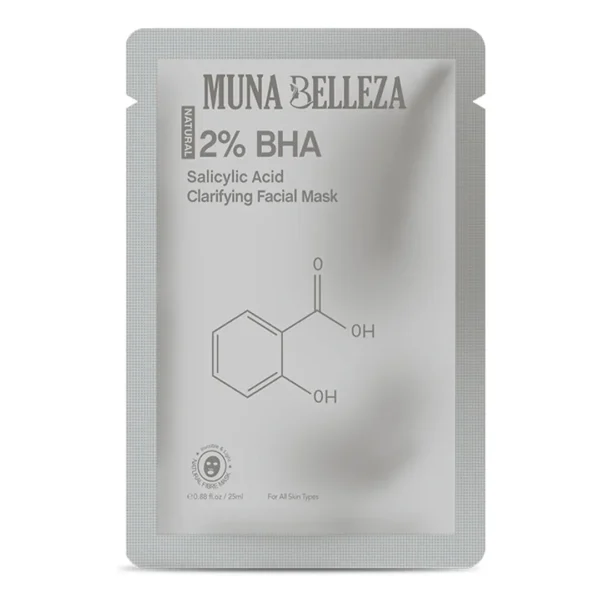 BHA face mask
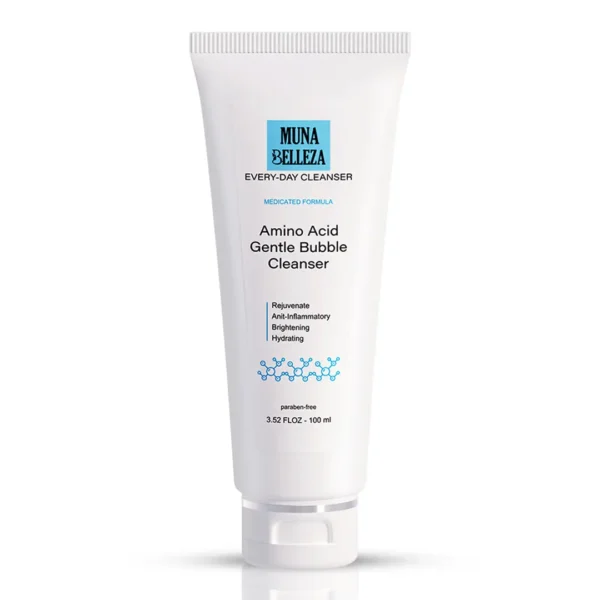 Gentle cleanser
 Post-acne mark serum