You slept eight hours, drank your water, and the shadows under your eyes are still there. That is frustrating, but it is also a clue: dark circles are rarely about one late night. For most people they come from the way the under-eye area is built, from genes, from pigment, or from a mix of all three.
This guide explains what causes dark circles under eyes, how to work out which type you have, and what skincare, habits and clinic treatments can realistically change. We will be honest throughout: creams can soften the look of some circles, but no product erases them, and anyone promising that is overselling. If your main problem is swelling rather than colour, our guide to a puffy face will help more.
First, which type of dark circles do you have?
Dermatologists usually group under-eye darkness into three kinds. Plenty of us have a mix.
- Brown (pigment): extra melanin in the skin. Common in medium and deeper skin tones across the Gulf, and often made worse by sun, eye rubbing or eczema.
- Blue or purple (blood vessels): the skin under the eye is very thin, so the veins and blood pooling beneath it show through. This type looks worse when you are tired or congested.
- Shadow (structure): a hollow between the lower lid and the cheek, or a bag that casts a shadow below it. This is about shape, not colour.
A quick mirror test: stand in good daylight and gently stretch the skin under one eye with a fingertip. If the colour stays brown, it is mostly pigment. If it fades or turns bluish, vessels are involved. Now tilt your chin up towards the light: if the darkness mostly disappears, a hollow or bag is creating a shadow.
Dark circles under eyes: the real reasons
- Genetics. Dark circles often run in families, and thin under-eye skin or deep-set eyes are inherited too.
- Ageing. Skin thins and loses collagen and fat over the years, so vessels show more and hollows deepen.
- Lack of sleep and fatigue. Tired skin looks paler, which makes the vessels beneath stand out.
- Allergies and rubbing. Hay fever, dust and blocked sinuses widen the small veins under the eyes, and constant rubbing can leave lasting brown marks. Desert dust and air conditioning make this very common in the UAE.
- Sun exposure. UV light triggers extra pigment, including around the eyes, where people rarely apply sunscreen.
- Eczema and dermatitis. Itchy, inflamed eyelid skin can darken as it heals.
- Dehydration, smoking and alcohol. All of these can make the under-eye area look duller and more shadowed.
Less often, a health issue such as iron deficiency or a thyroid problem plays a part, which is why the doctor section below matters.
Dark circles treatment at home: what skincare can and cannot do
Be realistic about the goal: a softer, brighter under-eye area, not a new one. Here is what has reasonable support.
- Daily sun protection. The single most useful habit for brown circles. Apply a gentle sunscreen up to the orbital bone, and wear wraparound sunglasses outdoors.
- Brightening ingredients for pigment. Niacinamide and vitamin C can help the look of brown discolouration over two to three months. Use products labelled safe for the eye area, or keep face serums to the outer cheekbone. Our hyperpigmentation guide explains how pigment fades.
- Moisture for thin, crepey skin. A simple fragrance-free moisturiser with hyaluronic acid or glycerin plumps the surface so it reflects light better.
- Gentle retinoids. Over months, low-strength retinol made for the eye area may thicken thin skin slightly. Start twice a week; it can sting.
- Colour correction. A peach or orange corrector under concealer cancels blue-purple tones on medium and deeper skin. It treats nothing, yet the effect is instant.
Shadows from hollows or bags will not respond to creams at all, so do not spend money hoping they will.
Tired, puffy mornings: where a cool mask helps
Some mornings the circles look worse because the whole area is puffy after a short night, a salty dinner or a long flight. Cold is the quickest fix here: it narrows the small vessels and eases swelling for a few hours.
Our Coffee Face Mask works well for this. Chill the pouch in the fridge, then leave the sheet on for about 15 minutes. It combines coffee extract with niacinamide, glycerin and hyaluronic acid, so the face looks fresher and more awake. Be clear about what it is: a whole-face hydrating mask for tired-looking mornings, not a dark circle remover. The eye openings keep it off the eyelids, so do not press the sheet into the eye itself, and note that it contains fragrance. If you want to know what coffee can and cannot do for skin, see our coffee for skin guide.
Daily habits that make a visible difference
- Keep a regular sleep pattern and raise your head with an extra pillow if you wake up puffy.
- Stop rubbing. If your eyes itch, treat the allergy with your pharmacist or doctor instead of scratching.
- Go easy on salt and alcohol in the evening, and keep a water bottle with you during the day.
- Use a cold compress such as chilled spoons or a cool cloth for five minutes in the morning.
- Take screen breaks. Long hours of eye strain leave you looking tired even when you are not.
- Remove eye makeup gently with a soft cleanser, never by dragging the skin.
Dark circles removal: what clinics offer
If home care is not enough, a dermatologist can match treatment to the cause:
- Prescription lightening creams for stubborn pigment, used under supervision.
- Light chemical peels to fade surface pigment.
- Lasers and light treatments for pigment or visible vessels. Darker skin needs an experienced practitioner, because the wrong settings can leave new dark marks.
- Fillers for tear-trough hollows that cast shadows. Results last months, not forever, and carry their own risks.
None of these is a guaranteed or permanent cure, and circles often return slowly with age, sun and sleep loss. Choose a licensed clinic and ask what result to expect for your type.
When to see a doctor
Dark circles are usually harmless. Book an appointment if:
- the darkness or swelling affects only one eye;
- it appeared suddenly, or comes with pain, redness or vision changes;
- you also feel unusually tired, short of breath or look pale (iron levels or thyroid may need checking);
- the eyelid skin is itchy, scaly or rashy, which may be eczema or an allergy to a product.
Your questions
How to get rid of dark circles permanently?
In most cases you cannot remove them for good, because genes and bone structure play a big part. You can make them noticeably lighter with sun protection, the right ingredients, better sleep and, if you choose, clinic treatment.
Do eye creams really work?
Some help a little: moisturising formulas smooth the skin and brightening ones slowly fade pigment. No cream fixes a hollow or a bag.
Do men get the same dark circles?
Yes. Men often skip sunscreen and eye care altogether, so the same advice applies, starting with sun protection and moisturiser.
Are home remedies like tea bags or cucumber worth trying?
Cold tea bags or cucumber slices feel nice and reduce puffiness for a short while, mostly because they are cool. Avoid lemon, baking soda or toothpaste near the eyes; they irritate thin skin and can darken it further.
When will I notice a difference?
Cold and concealer work in minutes. Brightening ingredients need around eight to twelve weeks of daily use.
Work out your type, protect the area from sun and rubbing, and be patient with any product. Orders ship free to anywhere in the UAE, with card, Apple Pay or cash on delivery.
Fighting uneven tone elsewhere on your face too? Start with this dark spot guide.
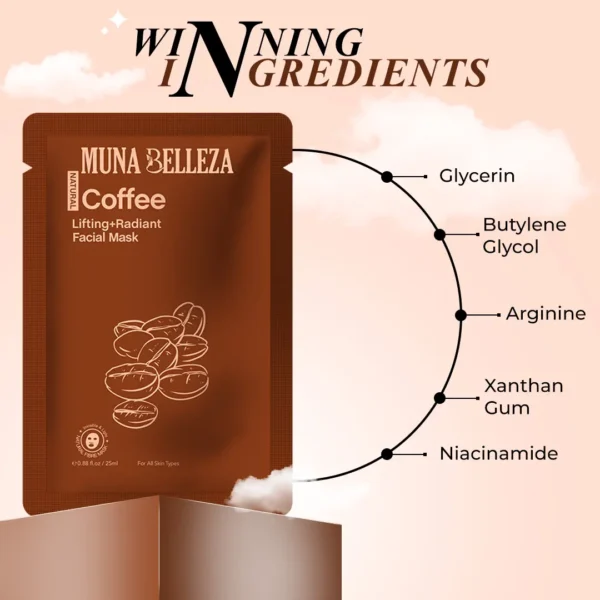 Coffee sheet mask
 Day & night moisturiser
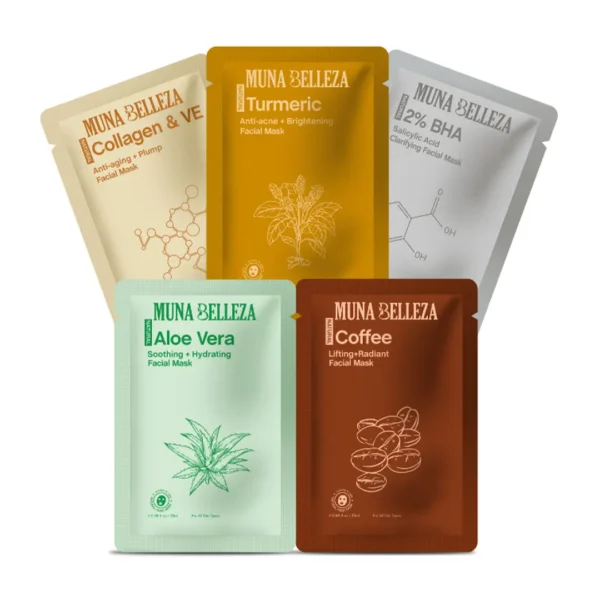 Korean mask set