Your face feels tight an hour after washing, foundation sits in little lines it never used to, and yet your T-zone is still shiny by lunch. If that sounds familiar, you may be dealing with dehydrated skin, not a dry skin type. The two get mixed up all the time, and treating the wrong one is why so many routines stop working.
This guide explains what dehydration in the skin actually is, how it differs from dryness, the signs to watch for, and a calm, realistic plan to fix it in the UAE climate. If you already know your skin type is dry, our dry skin guide is the better place to start.
What dehydrated skin means
Healthy skin holds water in its outer layer, the stratum corneum, helped by natural moisturising factors and a thin layer of lipids that slows evaporation. When that layer loses water faster than it can replace it, the skin becomes dehydrated: less plump, less flexible, and more easily irritated.
The key point is that dehydration is a condition, not a type. It describes how much water your skin is holding right now, so it can come and go, and it can affect oily, combination, normal or dry complexions alike.
Dehydrated skin vs dry skin: the difference
| Dehydrated | Dry | |
|---|---|---|
| What is missing | Water | Oil (lipids) |
| Type or condition? | Temporary condition | Long-term skin type |
| Who gets it | Anyone, even oily skin | People born with low oil production |
| Shine | Can still look oily | Rarely shiny |
| Main fix | Add water-binding ingredients, then seal | Add richer, oil-based moisture |
You can also have both at once. A naturally dry complexion is more likely to become dehydrated, because it has less oil to slow water loss in the first place.
Signs of dehydrated skin
Here is what dehydrated skin looks like and feels like day to day:
- Tightness, especially after cleansing or in air-conditioned rooms.
- A dull, tired look, even after a good night’s sleep.
- Fine, crisscross lines that appear when you smile and soften once you hydrate, often on the cheeks and under the eyes.
- Makeup that looks patchy or settles into texture.
- Oiliness and tightness at the same time, because skin may produce more oil to compensate.
- Products that suddenly sting, a sign the surface is not holding water well.
Rough flakes, cracks and constant itching point more towards a low-oil skin type or a damaged barrier, while sudden swelling, rash or pain need a doctor rather than a new cream.
A simple dehydrated skin test at home
None of these replaces a professional assessment, but together they give a useful hint:
- The pinch test. Gently pinch a little skin on your cheek for a second and let go. If fine wrinkles form and it springs back slowly, water levels may be low.
- The 30-minute check. Wash with a mild cleanser, apply nothing, and wait half an hour. Tight but shiny in places suggests dehydration; tight, rough and matte all over suggests a dry type.
- The tissue blot. Press a tissue to your forehead and nose at midday. Visible oil plus a tight feel on the cheeks is a classic dehydrated pattern.
Why it happens so often in the UAE
- Air conditioning. Hours in cool, dry indoor air draw moisture out of your face, then you step out into heat and humidity.
- Sun and heat. UV exposure and sweating both increase water loss, and sunburn makes it worse.
- Hot showers and harsh cleansers. Very hot water and foaming washes strip the lipids that keep water in.
- Too many actives. Over-exfoliating, or starting retinoids or acne treatments too fast, thins the barrier. Calming things down is covered in our skin barrier article.
- Flights. Cabin air is extremely dry, so long-haul trips often leave skin tight for a day or two.
- Long fasting days and low fluid intake can leave you, and your skin, feeling drained.
Dehydrated skin treatment: how to fix it
The principle is simple: bring water in, then stop it escaping.
- Use humectants. These ingredients attract and hold water. Look for hyaluronic acid, glycerin, betaine, panthenol and trehalose.
- Apply them to damp skin. Pat your face lightly after cleansing and apply serum within a minute, so there is water for the humectants to hold.
- Seal with a moisturiser. A cream with some oils or butters slows evaporation. In very dry indoor air, humectants alone can leave skin feeling tighter.
- Wash more gently. Lukewarm water, a mild cleanser, and skip the morning wash (a splash of water is enough) if you wake up tight.
- Pause strong actives for a week or two: acids, scrubs and retinoids can wait until skin feels comfortable again.
- Use sunscreen daily and add a humidifier at home if your bedroom AC runs all night.
A simple routine with our products
Morning: gentle cleanse, then our Double Vitamin C Serum on damp skin. It is a light, water-based gel with hyaluronic acid, glycerin, betaine and trehalose alongside everyday-strength vitamin C, and it is free from added fragrance and oils. Follow with the morning half of the Day and Night Cream duo: shea butter, soybean and sunflower oils plus glycerin and panthenol help lock that water in. Finish with sunscreen.
A few evenings each week: lay the Aloe Vera Face Mask on freshly washed skin and leave it about a quarter of an hour. Besides aloe, it contains glycerin, sodium hyaluronate, panthenol, ectoin, allantoin and beta-glucan. Press in what is left, then moisturise. Note that the formula is scented; try it on your jawline first if you are reactive.
Give the routine around two weeks. If tightness disappears but flaking stays, your skin is probably dry by type as well and needs richer care.
Dehydrated skin on an oily face
Oily skin can absolutely be dehydrated, and skipping moisturiser to control shine usually backfires. Keep layers light: a hydrating serum followed by a gel-cream, rather than heavy oils. Our oily skin guide covers how to balance shine without stripping water from the skin.
Questions answered
Will drinking more water fix my skin?
Drinking enough matters for your health, and severe body dehydration does show in the skin. But for most people, extra glasses of water alone have limited proven effect on facial skin. What you put on it, and how you protect it, makes the bigger difference.
What should a dehydrated skin moisturiser contain?
A mix of humectants like glycerin and hyaluronic acid, plus something to seal them in, such as ceramides, squalane, shea butter or plant oils. Fragrance-free is a safer choice while skin is reactive.
When will my skin feel normal again?
Comfort usually returns within a few days. Fine dehydration lines and dullness usually improve over one to two weeks of consistent care.
Can dehydration cause breakouts?
It can contribute, because irritated skin and extra oil production may clog pores. The usual culprits are covered in our pimples on face article.
Are dehydration lines the same as wrinkles?
No. Dehydration lines are fine and fade once skin is hydrated; wrinkles stay when skin is plump. Our wrinkles guide explains the difference in more detail.
Bring water in, seal it, and be gentle for a couple of weeks: most dehydrated skin bounces back quickly. We ship free UAE-wide, with card, Apple Pay or cash on delivery.
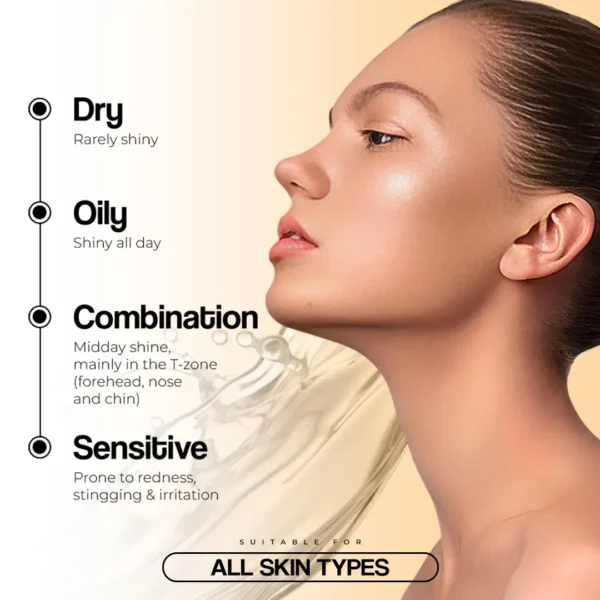 Hydrating vitamin C serum
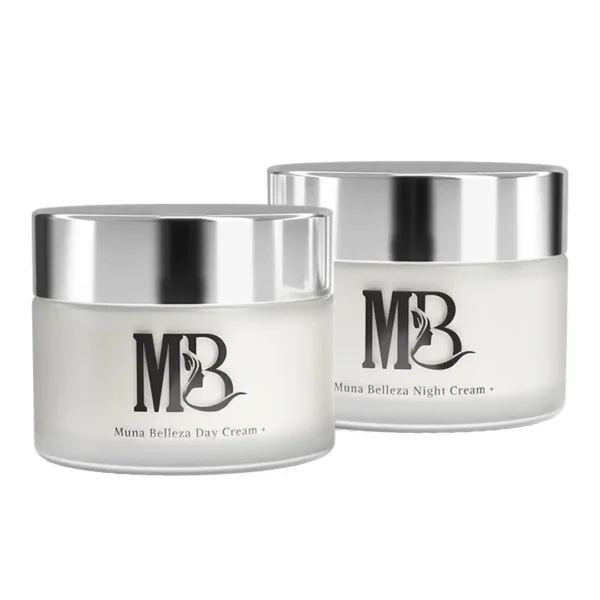 Moisture-sealing day cream
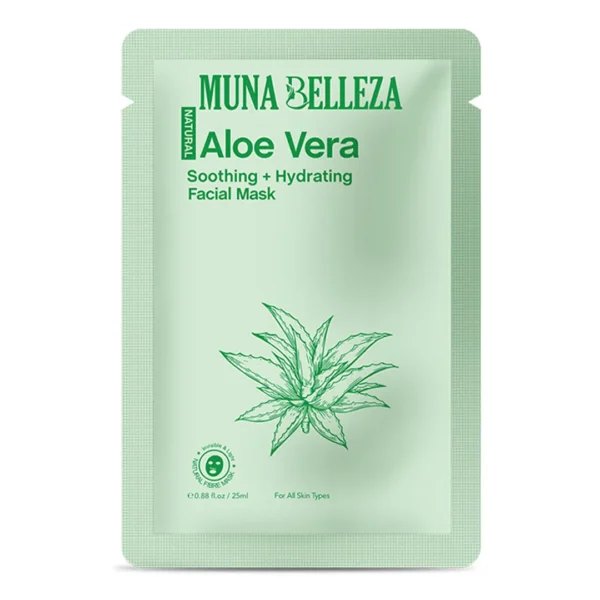 Aloe hydration mask