Run your fingers across your cheek: does it feel like silk, or more like fine sandpaper with the odd bump? Uneven skin texture comes up in our inbox constantly, and it is widely misunderstood. “Texture” can mean flaky patches, tiny flesh-coloured bumps, visible pores or old acne scars, and each one has a different cause and a different fix.
This guide focuses on the why: what textured skin actually is, how to read the bumps on your face, and how to improve skin texture realistically. When you are ready to start exfoliating, our separate guide on AHA vs BHA walks through the how-to step by step.
Skin texture types: what you might be feeling
- Rough or flaky: old cells sitting on the surface, or too little water, so the surface catches light unevenly.
- Bumpy: small closed bumps under the skin, usually clogged pores, but sometimes milia or other conditions.
- Porous: enlarged, visible pores, mostly on the nose, cheeks and forehead.
- Pitted: dents left by past acne or chickenpox.
- Crepey or lined: thin, finely creased skin, often from sun damage or dehydration.
Almost everyone has some texture. Pores, peach fuzz and the occasional bump are normal skin, not flaws; filtered photos have changed what “smooth” looks like.
What makes skin rough: the main causes
- Slow cell turnover. Dead cells should shed invisibly, but with age, sun damage or oiliness they pile up and leave a dull, rough layer.
- Clogged pores. Oil and dead cells plug the pore opening and create tiny closed bumps. Heat, sweat and heavy makeup make this more likely in the Gulf summer.
- Dehydration. Long hours in air conditioning pull water from the surface. Skin that lacks water looks crepey and feels tight; our guide to dehydrated skin explains how to tell.
- Sun damage. UV light thickens the outer layer in some places and thins collagen in others, so the surface becomes uneven over the years.
- Too much scrubbing. Over-exfoliating damages the barrier and causes flaking and tiny red bumps, the opposite of what you wanted.
- Acne and picking. Inflamed spots can leave scars, and squeezing makes them far more likely.
- Hormones. Shifts around periods, pregnancy or stress can increase oil and congestion.
Bumpy skin on face: what each bump usually means
- Small, skin-coloured, closed bumps that come and go are usually closed comedones. See our guide to whiteheads.
- Visible dark dots in the pores of the nose and chin are open comedones or simply oxidised oil; our clogged pores guide covers both.
- Hard, pearly white dots, often near the eyes, are probably milia. They do not respond to squeezing, and a dermatologist can remove them safely.
- Rough, sandpaper bumps on the outer cheeks can be keratosis pilaris, the same condition that often appears on the upper arms.
- Many identical, itchy bumps across the brow or upper chest that flare after sweating may be fungal folliculitis, which needs different treatment from acne.
- Redness with bumps and flushing can point to rosacea, which acids may irritate.
If bumps are itchy, painful, spreading or not improving after two months of good care, see a dermatologist rather than adding more products.
Textured skin on the forehead
The forehead is where many people first notice texture. Common reasons include sweat trapped under caps, helmets or headscarves, hair oils and styling products that drift down from the hairline, and simply a high number of oil glands in that area. Washing the hairline well after the gym, keeping hair products away from the face and choosing non-comedogenic sunscreen often help as much as any treatment.
How to improve skin texture: textured skin treatment that works
- Cleanse gently, twice a day. Harsh, squeaky cleansers make roughness worse.
- Exfoliate regularly, but lightly. A chemical exfoliant used a few evenings weekly loosens dead cells evenly. Salicylic acid suits bumpy, oily skin; lactic or glycolic acid suits dull, rough skin. Read how to choose and how often in our AHA vs BHA guide.
- Add a retinoid over time. Retinol at night speeds up cell turnover and, over months, can make skin smoother. Start twice a week and never on the same night as acids.
- Use niacinamide. It helps pores look smaller and strengthens the barrier (more in our niacinamide article).
- Hydrate and moisturise. Plump, water-rich skin reflects light more evenly and looks smoother straight away.
- Wear sunscreen every day. Without it, the sun undoes much of the progress, especially when using acids or retinoids.
- Stop picking. It turns a temporary bump into a mark or scar.
Two products that help textured skin
For bumps and congestion: the BHA sheet from our range, the Salicylic Acid Face Mask, pairs salicylic acid (the pouch says 2% BHA) with glycolic acid, so it works inside pores and on the surface at the same time. Glycerin, sodium hyaluronate and allantoin keep it comfortable. One sheet a week, left on for roughly a quarter of an hour, is enough. Because the formula includes fragrance and witch hazel, try it along the jaw before the first full use if you tend to react, and keep it away from retinoid evenings.
For a smoother, more hydrated surface: the Double Vitamin C Serum comes as a light gel containing vitamin C, hyaluronic acid, glycerin, betaine and centella. It is not an exfoliant, so it will not clear bumps by itself, yet a well-watered surface reflects light more evenly, and vitamin C supports a brighter, more even tone over time. It has no added fragrance, which makes it an easy morning step before sunscreen.
Deeper texture and acne scars
Home care smooths the surface, but pitted acne scars sit deeper. A dermatologist may suggest microneedling, fractional lasers, chemical peels or subcision, depending on the scar type and your skin tone. Medium and deeper skin tones need an experienced clinic, because some treatments can leave dark marks. Unsure whether yours are flat marks or true scars? Our guide to post-acne marks and scars helps you tell them apart.
Skin texture improvement: a realistic timeline
- Days: hydration and a gentle exfoliant make skin feel softer quickly.
- Four to six weeks: about the length of a full renewal of the outer layer; bumps from congestion usually settle.
- Three to six months: retinoids and consistent sun protection show their full effect on fine texture.
- Scars: improve with professional treatment, but rarely disappear completely.
FAQ
Is textured skin normal?
Yes. Every face has pores and some unevenness. Aim for comfortable, healthy skin, not the poreless look of edited photos.
Which serum suits textured skin?
It depends on the cause: a retinoid or exfoliating acid for roughness, salicylic acid for bumps, and a hydrating serum for crepey, dehydrated texture. Using too many at once is a common reason texture gets worse.
Can makeup cause skin texture?
Heavy or pore-clogging formulas, and sleeping in makeup, can lead to small bumps. Cleanse thoroughly every evening, and look for non-comedogenic products.
Should I use a scrub for rough skin?
Gritty scrubs can scratch and inflame skin. A mild chemical exfoliant gives a more even result with less irritation; if you love a scrub, choose a very fine one and use it gently once a week.
Work out which kind of texture you have, treat the cause, and stay patient for a month or so. Free delivery covers all of the UAE, with card, Apple Pay or cash on delivery. For pores that bother you most, our salicylic acid guide is a good next read.
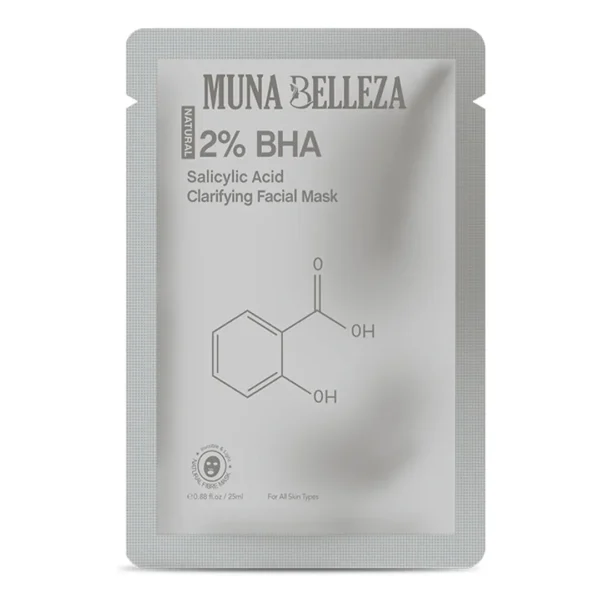 Weekly BHA mask
 Vitamin C gel serum
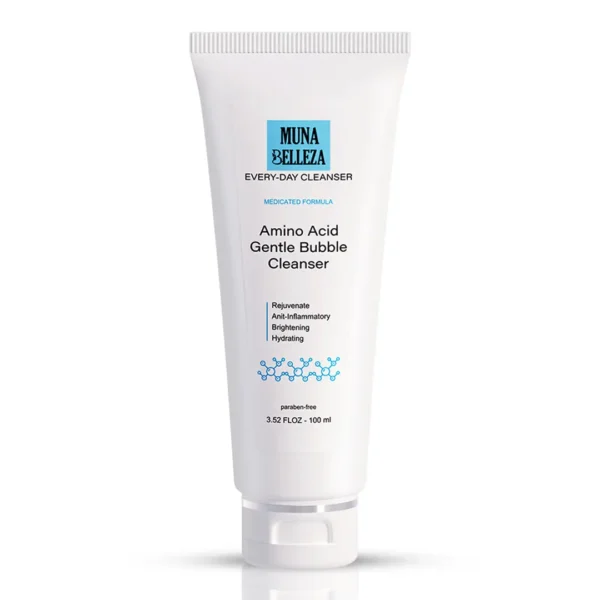 Mild face cleanser