Shelves in UAE pharmacies are full of jars promising to erase dark spots, but the best cream for pigmentation depends on what kind of pigmentation you have. A cream that fades a sun spot may do little for melasma, and one that suits fair skin can irritate darker skin and leave new marks behind.
This guide helps you identify your type of pigmentation, match it to the right ingredients and strengths, and decide between a cream, a serum or a prescription. You can browse our dark spot remover for face range, and if you want to understand why spots form first, read our guide to dark spots on face.
Step 1: Know your type of pigmentation
- Acne marks (post-inflammatory hyperpigmentation): flat brown or dark marks where pimples were. Most common in the UAE, especially on medium and darker skin.
- Sun spots and age spots: small, defined brown spots on the cheeks, forehead and hands, from years of sun.
- Melasma: larger, blotchy brown or grey patches on both cheeks, the forehead or upper lip, linked to hormones, heat and sun. See our melasma guide.
- Uneven, dull tone: no clear spots, but patchy colour and a tired look.
For a fuller explanation of each type, read our hyperpigmentation guide.
Step 2: Match the product to the type
- Acne marks: niacinamide, alpha arbutin and azelaic acid, plus treating the acne so new marks stop. Gentle exfoliation helps the marks fade faster.
- Sun spots: vitamin C in the morning, a retinoid at night, and gentle AHAs. Stubborn spots often respond best to clinic treatments.
- Melasma: tranexamic acid, azelaic acid, niacinamide and strict sun protection, ideally with tinted sunscreen. Avoid strong peels and irritation, which can make melasma worse.
- Uneven tone: vitamin C, niacinamide and a gentle exfoliant once or twice a week.
Step 3: Check the strength
Most brands don’t print percentages, but when they do, these are useful ranges for over-the-counter products:
- Niacinamide: 2–5% works well; higher can irritate. See what to mix with niacinamide.
- Alpha arbutin: up to 2% in face products. Read our alpha arbutin guide.
- Vitamin C: 10–20% ascorbic acid, or a gentler derivative for sensitive skin.
- Azelaic acid: around 10% in skincare; higher strengths are prescription.
- Tranexamic acid: commonly 2–5% in serums.
A product with two or three of these at sensible levels usually beats one with a single “strong” ingredient.
Cream, serum or night cream?
- Serum: usually the most concentrated way to deliver brightening ingredients; layer it under moisturiser. This is the best choice for most people.
- Cream: combines brightening and moisturising, good for dry skin or a simpler routine.
- Night cream for pigmentation: a good place for retinoids and richer brightening formulas, since skin repairs overnight and there’s no sun.
- Moisturiser for pigmented skin: choose one that’s fragrance-free if your skin reacts easily, because irritation can create new marks.
What dermatologists recommend
For stubborn pigmentation or melasma, a dermatologist may prescribe stronger creams such as hydroquinone, tretinoin or a combination cream, used for a limited time and closely followed. In the UAE these are prescription only. Clinics may also suggest chemical peels, microneedling or carefully chosen lasers. The constant in every dermatologist plan is daily broad-spectrum sunscreen: without it, no pigmentation cream can keep up with UAE sun.
Avoid creams sold without labels or prescriptions that promise fast results; they’re the ones most likely to contain hidden steroids or mercury. Our guide to the best brightening cream lists the warning signs.
Pigmentation on darker skin
Medium and dark skin marks more easily and takes longer to fade. Choose gentle ingredients like niacinamide, azelaic acid and alpha arbutin, introduce one product at a time, and avoid anything that stings or peels heavily. Be cautious with lasers and strong peels; ask for a dermatologist experienced with darker skin.
Our picks
For acne marks, dark spots and uneven tone: Dark Spot Correcting Serum
Niacinamide and alpha arbutin with hyaluronic acid, a gentle pairing that suits most skin types including darker skin. Use it in the evening, or morning and evening under sunscreen. See our dark spot correcting serum.
For glow and sun-spot prevention: Double Vitamin C Serum
Pure ascorbic acid at everyday strength, no added fragrance, for the morning under sunscreen. See our vitamin C serum.
For a simple cream routine: Day and Night Cream Set
A lighter day cream and a richer night cream with arbutin and vitamin C. The day cream has no SPF, so add sunscreen on top. See our day and night cream.
We don’t make a tranexamic acid or prescription-strength product; for melasma, combine our serum with a dermatologist’s plan.
Common questions
What is the best cream for pigmentation recommended by dermatologists?
There isn’t one product for everyone. For over-the-counter care, dermatologists usually suggest niacinamide, vitamin C, azelaic acid or alpha arbutin with daily sunscreen; for stubborn cases, a prescription cream for a set time.
How long does it take to fade pigmentation?
Acne marks usually start to fade within 6 to 12 weeks; deeper marks can take several months. Sun spots and melasma usually take 3 to 6 months or more, and need ongoing sun protection to stay faded.
Do essential oils help pigmentation?
There’s no good evidence they do, and they’re a common cause of irritation, which can make pigmentation worse.
Is a facial good for pigmentation?
A professional peel or facial can speed up fading of surface spots, but it works best alongside a daily routine and sunscreen.
Ready to fade dark spots? Our serums and creams are made in Korea, with free delivery to every emirate and cash on delivery available.
Learn more about our face serums.
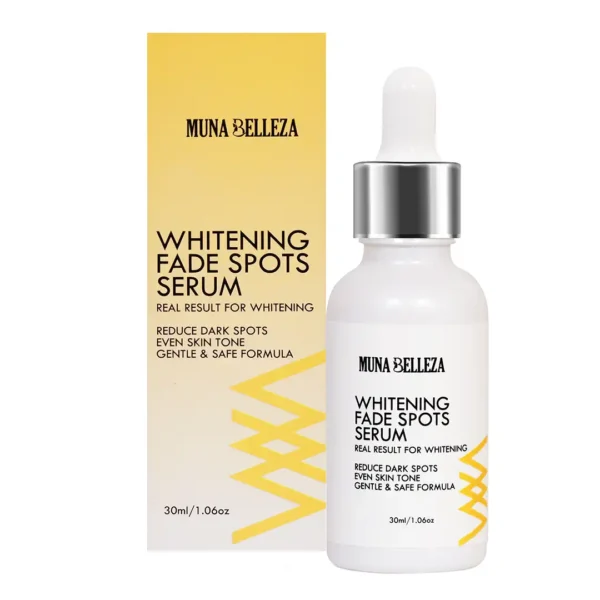 Dark spot correcting serum
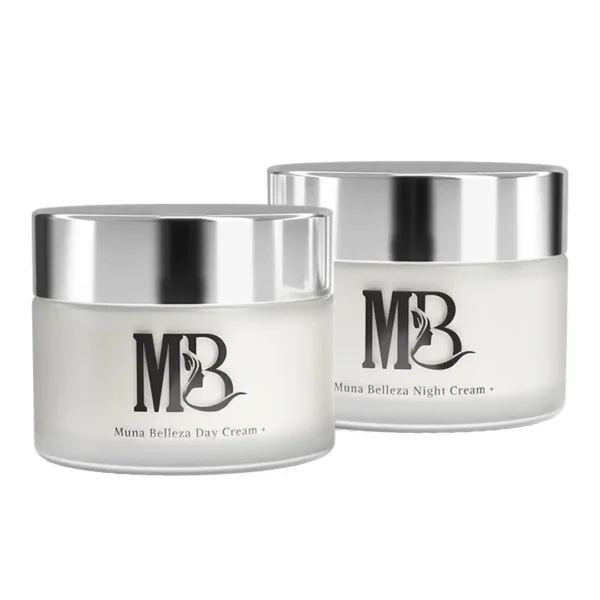 Day and night cream
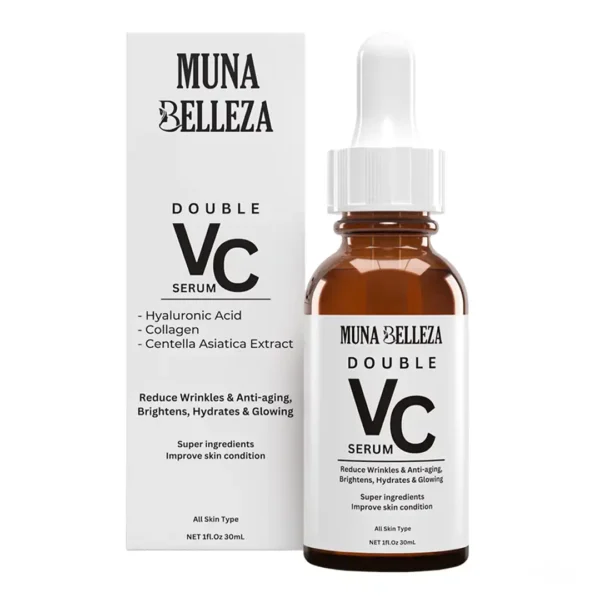 Vitamin C serum