Search for the best skin whitening cream in the UAE and you’ll find hundreds of jars promising a “fairer” face in a week. What most people actually want is simpler: fewer dark spots, less dullness and a more even tone. That is a goal skincare can help with. Changing your natural skin colour is not, and the creams that claim to do it are the ones UAE health authorities keep warning about.
This guide explains what a good brightening cream really does, which ingredients are worth paying for, which ones to avoid, and how to choose the right product for your skin. If your main concern is marks and patches, you can also browse our dark spot remover for face range, made in Korea with niacinamide, arbutin and vitamin C.
What a “whitening” cream can and can’t do
Your natural skin tone is set by your genes and by how much melanin your skin makes. No cream sold over the counter can safely change it, and a product that seems to do so quickly is usually bleaching the skin with a medicine or a toxic metal.
A well-made brightening cream works on extra pigment and dullness instead:
- Fades dark spots from the sun, acne marks and uneven patches.
- Evens out the tone so the face looks one colour rather than blotchy.
- Improves glow by smoothing the surface and keeping skin hydrated.
- Helps stop new spots forming, together with daily sunscreen.
So when you read “whitening” on a Korean or Japanese label, it normally means brightening in this sense, not bleaching. Our guides to dark spots on face and hyperpigmentation explain where the extra pigment comes from.
Why some whitening creams are dangerous
The UAE Ministry of Health and Prevention, the Department of Health Abu Dhabi and Dubai Municipality have banned many fairness creams over the years, mostly for hidden mercury, hydroquinone or strong steroids that weren’t on the label. Watch for these warning signs:
- Mercury: look for “mercury”, “mercurous chloride”, “calomel” or “mercurio”. It is toxic to the kidneys and nervous system, and banned in cosmetics.
- Hydroquinone: a real medicine for pigment, but in the UAE it is prescription only. Used without a doctor, it can irritate, and long use can cause a bluish-grey darkening called ochronosis.
- Steroid creams such as clobetasol, often sold in “mixed” home recipes. They thin the skin and can cause acne, stretch marks and redness.
- No ingredient list, no Arabic or English label, or no registration, especially products sold through social media.
- Promises of results in 3 or 7 days, or of a “permanent” lighter skin colour.
Ingredients that brighten safely
These ingredients have good evidence for fading spots and evening tone in cosmetic strengths:
- Niacinamide (vitamin B3): stops pigment moving to the skin’s surface; gentle and suits most skin types. See our niacinamide guide.
- Vitamin C: an antioxidant that brightens and protects from sun damage; best in the morning. Read what a vitamin C serum does.
- Arbutin and alpha arbutin: plant-derived ingredients that slow pigment production more gently than hydroquinone. Our dark spot correcting serum combines arbutin with niacinamide.
- Tranexamic acid, azelaic acid and licorice extract: useful for stubborn patches and melasma; azelaic acid also calms acne.
- Gentle exfoliating acids such as glycolic acid, which lift dull surface cells so other ingredients work better. See our glycolic acid guide.
- Retinoids: speed up skin renewal; start slowly, use at night, and avoid in pregnancy.
The best results usually come from combining two or three of these, rather than relying on one “strong” product.
How to choose the best brightening cream
Pick the texture for your skin type
- Oily or acne-prone skin: a light serum or gel with niacinamide; avoid heavy creams that clog pores.
- Dry skin: a cream that brightens and moisturises at the same time, ideally used at night.
- Sensitive skin: fragrance-free where possible, with niacinamide or azelaic acid rather than strong acids.
- Darker skin tones: choose gentle ingredients and avoid anything that stings, because irritation itself can leave new dark marks.
Check the label
- A full ingredient list in English or Arabic, with the brightening ingredient named.
- “Brightening”, “even tone” or “dark spot” claims, not “fairness in 7 days”.
- A clear brand, batch number and expiry date.
- No mercury compounds, no hydroquinone and no steroids in a cosmetic product.
Cream, serum or day cream?
A serum usually carries more of the active ingredient; a cream adds moisture. Many people do best with a brightening serum under a moisturiser, or a night cream with brightening ingredients. A “whitening day cream” without sun protection still needs sunscreen on top. Our day and night cream set pairs a light day cream with a night cream that contains arbutin and vitamin C; the day cream has no SPF, so sunscreen goes over it.
How to use a brightening cream
- Patch test on the jaw for a few days.
- Apply to the whole face, not only the spots, so the tone evens out.
- Use vitamin C in the morning and niacinamide, arbutin or a retinoid at night.
- Finish every morning with broad-spectrum sunscreen of SPF 30 or more, and reapply outdoors. Without it, UAE sun brings the spots back.
- Give it 8 to 12 weeks before judging. Deeper patches can take longer.
Our skin care routine guide shows where each step fits.
Brightening cream for men
Men’s skin is usually thicker and oilier, but pigment forms the same way, so the same ingredients work. A light niacinamide serum or gel suits most men better than a rich cream. Shaving can irritate and darken the beard area, so avoid strong acids there and use a soothing moisturiser after shaving.
When to see a dermatologist
- Large brown or grey patches on the cheeks, forehead or upper lip, which may be melasma. Read our melasma guide.
- A spot that changes shape, colour or size, bleeds or itches.
- No improvement after three months of consistent care.
- Darkening or redness after using a whitening product.
A dermatologist can prescribe stronger creams, including hydroquinone, safely and for a limited time, or suggest peels and laser.
Common questions
Which cream is best for skin whitening?
No cream can safely make your natural skin colour lighter. For a brighter, more even face, choose a cream or serum with niacinamide, vitamin C, arbutin, tranexamic acid or azelaic acid, and use sunscreen daily.
Which vitamin is good for skin brightening?
Vitamin C and vitamin B3 (niacinamide) are the two best studied. Vitamin E helps vitamin C work and keeps skin soft, but doesn’t brighten much on its own.
How does a brightening cream work?
It slows the enzyme that makes melanin, stops pigment reaching the surface, or speeds up the shedding of pigmented cells, depending on the ingredient.
Can I brighten my skin in 7 days?
In a week, hydration and gentle exfoliation can make skin look fresher. Fading spots takes weeks. Products that promise a lighter skin colour in days are the ones to avoid.
Do brightening creams have side effects?
Safe brightening ingredients can still cause mild dryness, stinging or redness at first. Stop if irritation continues. Serious side effects come mainly from unregistered products with mercury, hydroquinone or steroids.
Our brightening serums and creams are made in Korea, with free delivery to every emirate and cash on delivery available.
Learn more about our face serums.
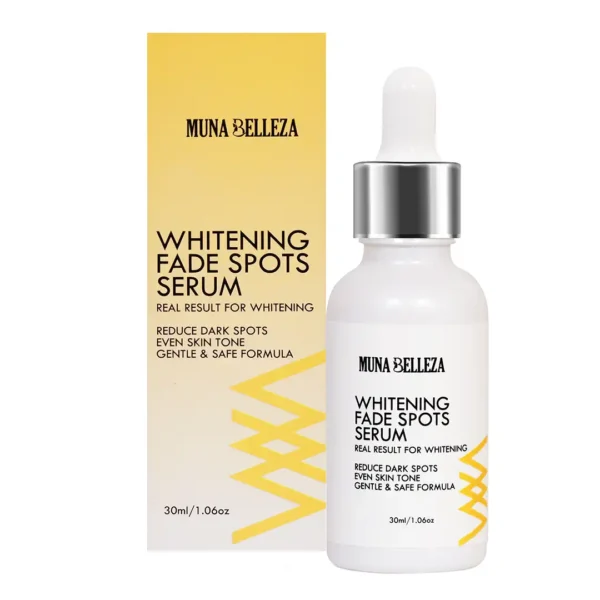 Dark spot correcting serum
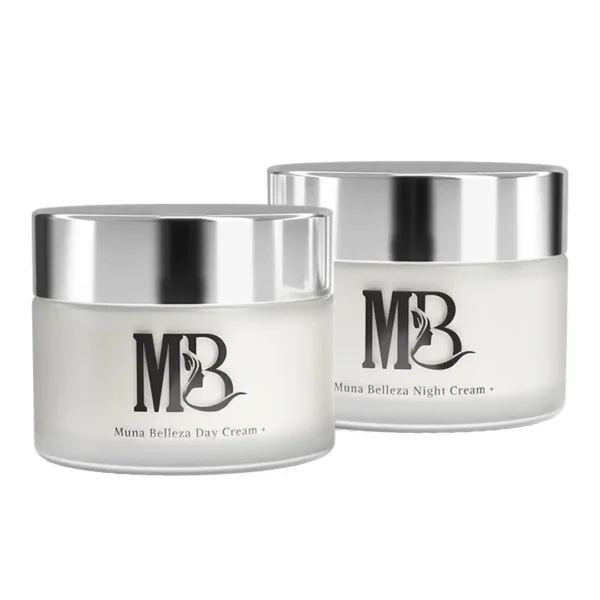 Day and night cream set
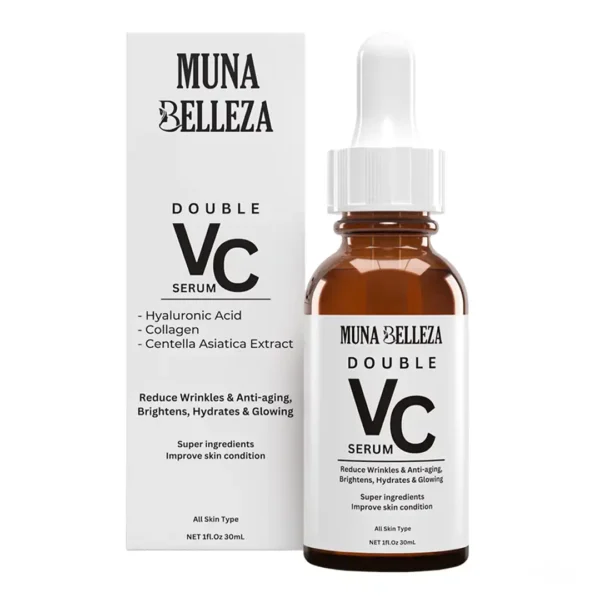 Brightening vitamin C serum