Licorice is one of the gentlest “quiet achievers” in skincare. You’ll find it in Korean creams, sheet masks and serums, often near the end of the ingredient list. So what does licorice root for skin actually do? The best evidence shows two things: it calms redness, and certain parts of licorice extract for skin can help even out dark patches slowly. It won’t change your natural skin colour, and it works best as part of a simple skin care routine with sunscreen every morning.
Below we explain which parts of the root do the work, what the studies found and how to use it. If you’d like to see it in real formulas, you can browse our Korean skin care range as you read.
What’s in licorice root
The licorice plant (Glycyrrhiza) has a sweet, woody root packed with hundreds of plant compounds. Four matter most for skin:
- Glabridin slows tyrosinase, the enzyme skin uses to make pigment.
- Liquiritin helps break up and spread out pigment that is already there.
- Licochalcone A is a strong anti-redness compound from one licorice species.
- Glycyrrhizin is the source of the soothing ingredient dipotassium glycyrrhizate, which you’ll see on many Korean labels.
On an ingredient list, licorice may appear as Glycyrrhiza Glabra Root Extract, Glycyrrhiza Uralensis Extract or Dipotassium Glycyrrhizate. They’re all licorice, but they don’t all do the same job. The first two are whole-root extracts, and the last is mainly soothing.
Licorice root benefits for skin: what the research shows
Calmer, less red skin
This is licorice’s strongest benefit. In an 8-week study, 62 people with facial redness used a skincare routine built around licochalcone A, and their redness scores improved by week 4. That’s why licorice is so common in products for sensitive skin and for heat-stressed skin after a day in the UAE sun. If your skin stings with almost everything, start by repairing your skin barrier.
A more even skin tone
In lab tests, licorice compounds block the pigment-making enzyme, sometimes more strongly than better-known brighteners. Human studies are fewer and smaller. In one, 20 women with melasma applied a liquiritin cream to one side of the face for 4 weeks and saw the patches fade more on that side. A 2018 review of natural brighteners concluded that licorice is promising but needs larger trials.
In practice, licorice works best on post-acne marks, sun spots and uneven patches, alongside proven ingredients. See our guides to dark spots on face and melasma for the full plan.
Gentle enough for sensitive skin
Because licorice soothes while it brightens, it suits people whose skin reacts to stronger actives. It’s also a kind choice for acne-prone skin. It won’t clear breakouts, but it can calm the redness around them (more in how to get rid of pimples).
Licorice vs other brighteners
- Niacinamide has more human research for marks and also helps oil and the skin barrier. The two work well together; see our niacinamide guide.
- Alpha arbutin blocks the same enzyme as glabridin and is better studied in formulas. See alpha arbutin.
- Vitamin C brightens dullness and protects against sun stress. It can sting sensitive skin, and licorice rarely does.
Think of licorice as a calming team player rather than the main brightener in your routine.
Adding licorice to your routine
- Morning or night: licorice is stable and gentle, so it works at any time. In the morning, always finish with sunscreen, because no brightener can keep up with daily sun damage.
- Layering: if you’re wondering how to layer your skincare, go from thinnest to thickest. That means cleanser, then toner or essence, then serum, then moisturiser, then sunscreen in the morning. Licorice can sit in any of these steps.
- Combining: it pairs well with niacinamide, arbutin, vitamin C, hyaluronic acid and panthenol. It’s also a useful calming partner for retinol or acids.
- Is it working? Calmer redness may show within 2–4 weeks. Tone changes take 8–12 weeks of daily use. Take a photo in the same light once a month instead of checking the mirror every day.
Licorice powder, tea and erk soos
Licorice root powder (mulethi) face packs are popular in the Gulf and South Asia, often mixed with honey or milk. The powder holds only small, unmeasured amounts of the useful compounds, and rough particles or added ingredients can irritate the skin. If you try one, patch test first and rinse within 10 minutes. Never mix it with lemon.
Drinking licorice is a different story. Erk soos (عرق السوس) is a favourite Ramadan drink, but drinking it won’t lighten or clear your skin. Large amounts taken regularly can raise blood pressure, so enjoy it in moderation. Ask your doctor first if you have blood pressure or heart problems.
Is licorice safe for skin?
On the skin, licorice extract is one of the best-tolerated plant ingredients. Allergic reactions are rare but possible, so patch test a new product on your jaw for a few days. If you’re pregnant or breastfeeding, check any new skincare with your doctor. Licorice won’t bleach your skin or remove your natural colour. Products that promise to “whiten” in days usually contain something else, and that is a warning sign.
Our products with licorice
We don’t make a licorice serum. In our Korean range, licorice is a supporting ingredient, there to soothe and help with tone alongside the main actives.
- Day and night cream: the day cream contains licorice root extract with niacinamide and panthenol. It has no SPF, so apply sunscreen on top.
- Aloe vera face mask: licorice root extract plus dipotassium glycyrrhizate in a calming, hydrating sheet mask. It contains fragrance.
- Turmeric face mask and salicylic acid face mask: both use dipotassium glycyrrhizate to keep skin calm while the other actives work.
For marks, our dark spot correcting serum doesn’t contain licorice. Its niacinamide and arbutin make it a good partner for licorice in your routine.
Common questions
Does licorice lighten skin permanently?
No. It can fade dark patches, but new sun exposure brings them back. It doesn’t change your natural skin colour.
Can I use licorice with vitamin C or niacinamide?
Yes. They work in different ways and are often combined in the same product.
Is licorice good for acne-prone skin?
It’s gentle and won’t clog pores, and it calms the redness around spots. Use it alongside a proven acne treatment, not instead of one.
Licorice or alpha arbutin: which is better for dark spots?
Alpha arbutin has more evidence for spots. Licorice is the better choice if your skin is red or easily irritated. Using both is fine.
Does licorice suit dark or olive skin?
Yes. It’s gentle and less likely to cause irritation that leaves new marks, which matters for deeper skin tones.
Every order ships free across the UAE, with card, Apple Pay or cash on delivery.
Learn more about caring for dark spots.
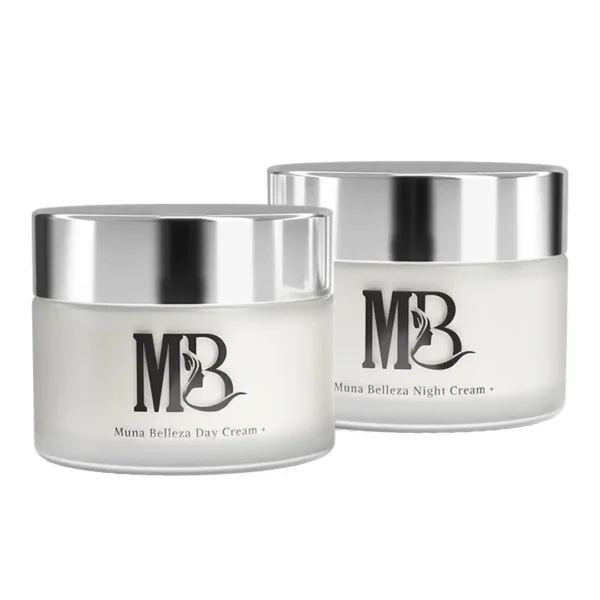 Day and night cream
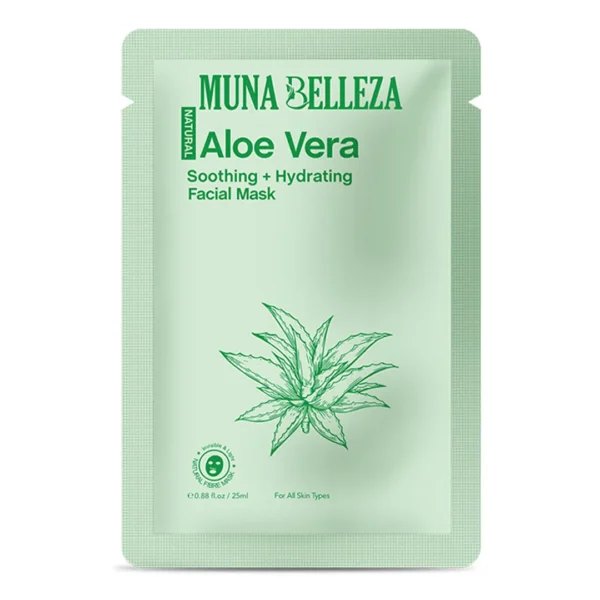 Aloe vera face mask
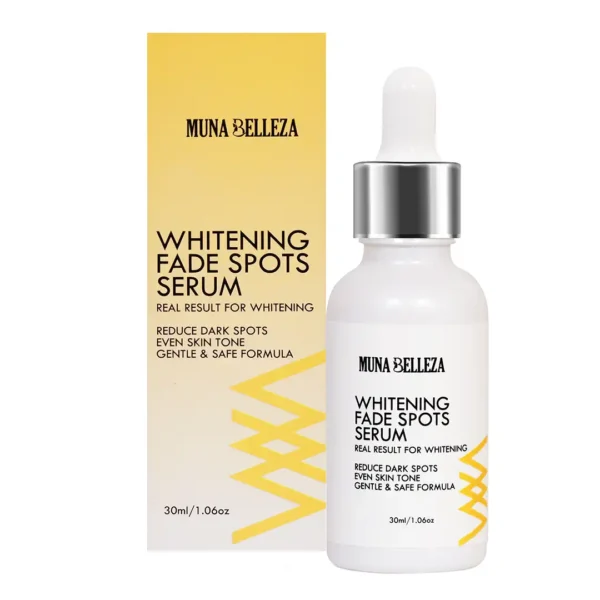 Dark spot correcting serum