Few beauty topics are as confusing as skin whitening. The same jar can say “whitening”, “lightening”, “fairness” or “brightening”, and clinics in the UAE advertise everything from peels to drips. Some of these are safe and genuinely helpful. Others can damage your skin, or your health, for a result that doesn’t last.
This guide explains what each word really means, which treatments are safe, and how to get brighter, more even skin without risking it. If dark spots and patches are your main concern, our dark spot remover for face range uses gentle Korean ingredients such as niacinamide, alpha arbutin and vitamin C. And if you’re comparing creams, see our guide to the best skin whitening cream alternatives.
Whitening, lightening, brightening: what each word means
- Whitening or bleaching: trying to make your overall skin colour lighter than it naturally is. This is the goal behind mercury creams, unsupervised hydroquinone and injections, and it is where most of the harm happens.
- Lightening: reducing extra pigment in specific areas, such as melasma or sun spots. Done properly, often with a dermatologist, it’s a medical treatment for a real skin problem.
- Brightening: improving glow and evenness by fading spots, smoothing texture and hydrating. This is what most good skincare does, and it is safe for long-term use.
On Korean and Japanese products, “whitening” usually means brightening in this last sense: helping spots fade, not changing your skin colour.
Why your natural skin colour can’t be safely changed
Your skin tone is set by your genes, which decide how much and what type of melanin your skin makes. Melanin is also your natural protection against UV damage. Products that seem to lighten your whole skin quickly either strip that protection or contain hidden medicines and metals. Even when they work for a while, the effect fades once you stop, and side effects can be permanent.
What you can change safely is the extra pigment on top of your natural tone: tanning, dark spots, acne marks and uneven patches. That’s where brightening ingredients and sunscreen make a real, visible difference.
Safe vs unsafe skin whitening treatments
Generally safe
- Daily broad-spectrum sunscreen, the single most effective “brightener”.
- Brightening ingredients: niacinamide, vitamin C, alpha arbutin, azelaic acid, tranexamic acid and licorice extract. Read our guide to alpha arbutin.
- Gentle exfoliation with AHAs such as glycolic or lactic acid.
- Dermatologist-prescribed treatments for melasma and stubborn pigmentation, used for a set period.
Unsafe
- Creams with mercury, unlabelled hydroquinone or strong steroids, often sold online or through social media. UAE health authorities have banned many of these.
- “Mixing” several creams at home, especially with steroid creams.
- Skin whitening injections and drips, such as high-dose glutathione. The US Food and Drug Administration has not approved any injectable product for skin whitening, and regulators in several countries have warned of side effects affecting the liver, kidneys and skin.
- Bleach, lemon juice, baking soda or toothpaste on the skin.
Clinic treatments: what they really do
- Chemical peels: remove pigmented surface cells; helpful for sun spots and dullness when done by trained staff, with sunscreen afterwards.
- Laser and IPL: can target specific spots, but the wrong laser or setting can darken medium and dark skin. Choose an experienced dermatologist.
- Microneedling: mainly for scars and texture; it can improve glow.
- “Whitening facials”: usually a cleansing, exfoliating and hydrating facial. Pleasant and brightening for a few days, but they won’t change your colour.
A good clinic will talk about treating pigmentation and evening your tone, not about making you “two shades fairer”.
Skin whitening home remedies: the honest truth
- Turmeric, yoghurt and honey masks: gentle and soothing, but they don’t lighten skin. Raw turmeric can stain and irritate.
- Lemon juice: acidic enough to burn and to cause dark patches in the sun. Avoid.
- Strawberries, potato, tomato: contain small amounts of acids and vitamin C, but far less than a formulated product.
- Essential oils: no proven lightening effect, and a common cause of rashes.
- Collagen supplements: may support skin elasticity, but they don’t whiten skin.
A safe plan for brighter, more even skin
- Wear sunscreen of SPF 30 or more every day, and reapply outdoors.
- Use vitamin C in the morning for glow and protection.
- Use niacinamide and alpha arbutin in the evening to fade spots. Our dark spot correcting serum combines both.
- Exfoliate gently once or twice a week.
- Moisturise. Our day and night cream set includes a night cream with arbutin and vitamin C; the day cream has no SPF, so sunscreen goes on top.
- See a dermatologist for melasma or patches that don’t improve after three months.
For the bigger picture on spots and patches, read our guide to hyperpigmentation.
Common questions
Is skin whitening permanent?
No. Your skin keeps making melanin according to your genes, so any lightening of your natural colour fades once you stop. Faded dark spots can stay faded if you protect your skin from the sun.
Does skin whitening treatment work?
Treatments for pigmentation, such as brightening serums, peels and prescribed creams, can fade spots and even your tone. Treatments that promise to change your overall skin colour either don’t work or carry real risks.
Does vitamin C whiten skin?
It brightens and helps fade dark spots, but it doesn’t change your natural skin colour.
How can I brighten my face fast?
For an event, exfoliate gently, use a hydrating mask, moisturise and wear sunscreen. For lasting results on spots, allow 8 to 12 weeks.
Ready to brighten safely? Our serums and creams are made in Korea, with free delivery to every emirate and cash on delivery available.
Learn more about our face serums.
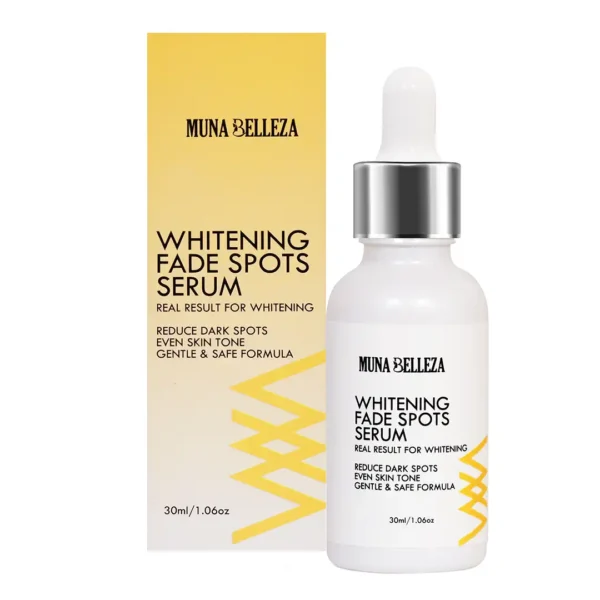 Dark spot correcting serum
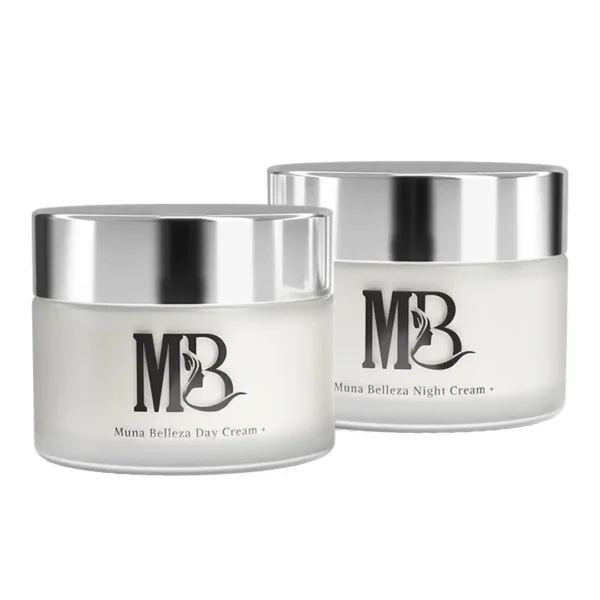 Day and night cream
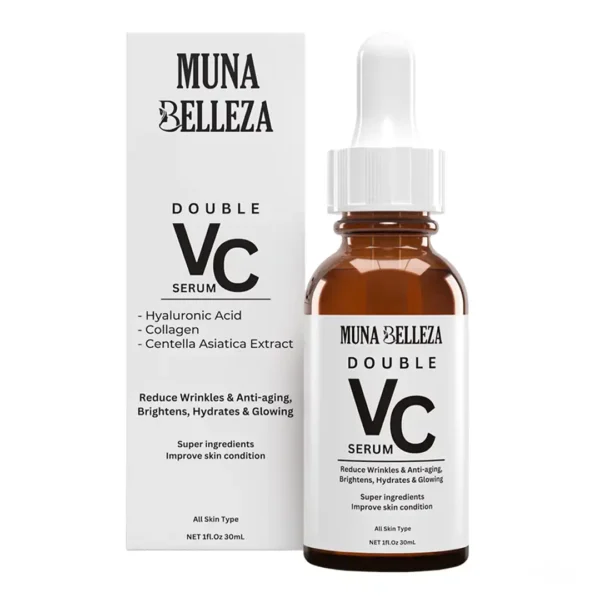 Vitamin C serum