Breakouts often seem to pick a favourite spot: always the chin before your period, always the forehead in summer, always the same cheek. That’s why the acne face map is so popular online. It promises that where a pimple appears tells you what’s wrong inside your body. Some of that is useful. Some of it is old folklore.
This guide goes zone by zone through the real, evidence-based reasons pimples show up in each area, the look-alikes that aren’t acne at all, and what to change. Whatever the zone, a gentle face wash for oily skin morning and night is a good start. For the basics of what causes breakouts, see our acne guide.
Does an acne face map tell you about your organs?
Traditional face maps from Chinese and Ayurvedic medicine link each area to an organ: forehead to digestion, cheeks to lungs, chin to the kidneys or hormones. There’s no scientific evidence for the organ links. What dermatologists do see is that location often points to a practical cause, such as hair products on the forehead, phones on the cheeks or hormones along the jaw. That’s the version of the face map worth using.
Forehead and hairline
Common causes of pimples on the forehead:
- Hair products: oils, gels, serums and dry shampoo can clog pores along the hairline. This is so common it has its own name, pomade acne.
- Fringes and hair touching the skin transfer oil and product all day.
- Caps, helmets and tight headbands or underscarves trap heat and sweat and rub the skin, which triggers “friction acne”.
- Sweat and heat in UAE summers, especially if you don’t wash soon after.
Look-alikes: lots of tiny, itchy bumps of the same size that flare in heat may be fungal acne (malassezia folliculitis), which needs anti-fungal treatment rather than acne products. A sudden itchy rash where a new shampoo or hair dye touches the skin may be an allergy rather than pimples.
How to get rid of forehead acne: keep hair products off the face, wash the hairline at night, wash caps and scarves often, and use a salicylic acid product on the area. Our salicylic acid guide explains how. Small closed bumps here are often whiteheads; see our guide to whiteheads.
Nose and between the eyebrows
- Oil: the nose has the most oil glands on the face, so blackheads and clogged pores are common. Many “blackheads” are actually normal sebaceous filaments. Our blackhead removal guide explains the difference.
- Glasses and sunglasses trap oil on the bridge of the nose; clean the nose pads regularly.
- Between the eyebrows: oily skin, eyebrow products and threading or waxing can all cause small bumps.
Look-alike: redness on the nose and cheeks with small bumps but no blackheads may be rosacea, which acne treatments can make worse.
Cheeks
Common causes of pimples on cheeks:
- Your phone: it carries bacteria and presses oil into the skin. Wipe it daily and use earphones for long calls.
- Pillowcases: they collect oil, hair products and bacteria. Change them twice a week, more often if you’re breaking out.
- Touching and leaning on your hands, especially while working.
- Make-up brushes and sponges that aren’t washed weekly.
- Heavy creams or sunscreens that are too rich for your skin type.
Look-alikes: rough, tiny bumps on the outer cheeks may be keratosis pilaris; persistent redness with flushing may be rosacea. A deep, sore bump with no head on the cheek is usually a blind pimple; our guide on how to get rid of acne covers how to treat these safely.
Chin and jawline
Chin acne causes:
- Hormones: breakouts along the chin and jawline that flare before your period are typical of hormonal acne in adult women.
- PCOS and other hormone conditions: if chin acne comes with irregular periods, extra hair growth or hair thinning, see a doctor.
- Stress: it raises hormones that increase oil production.
- Friction: resting your chin on your hand, phone or face coverings rubbing the skin.
- Shaving: in men, bumps along the beard line are often ingrown hairs or folliculitis rather than acne.
What helps: keep a steady routine all month, not just when spots appear. A retinoid at night and salicylic acid help most people; hormonal acne that doesn’t respond may need a doctor’s treatment.
Around the mouth
- Perioral dermatitis: small red bumps and scaling around the mouth and nose, often after using steroid creams on the face. It looks like acne but needs a doctor’s treatment, and steroid creams make it worse.
- Lip balms, toothpaste and heavy lip products that spread onto the skin.
- Food and drink residue: wipe the mouth area after oily or sugary food.
One routine for every zone
- Wash morning and night, and after sweating.
- Use salicylic acid where pores clog, two to three times a week or daily if tolerated.
- Add niacinamide to calm redness and oil. See our niacinamide guide.
- Use a light, non-comedogenic moisturiser and sunscreen.
- Once a week, use a clearing mask. Our salicylic acid face mask suits oily, breakout-prone areas.
- Change pillowcases, wipe your phone and keep hands and hair off your face.
Common questions
What do pimples on the chin mean?
Most often hormones, especially if they flare before your period. Friction, shaving and stress also play a part.
Does forehead acne mean digestive problems?
There’s no evidence for this. Forehead acne is usually linked to hair products, sweat, headwear and oily skin.
Can an allergy cause pimples on the forehead?
An allergy to a shampoo, hair dye or hat can cause an itchy, bumpy rash that looks like pimples. If it itches more than it hurts, or appears suddenly after a new product, stop the product and see a doctor if it doesn’t settle.
Why do I only get pimples on one cheek?
Usually because of the side you sleep on, hold your phone on or touch with your hand.
Ready to clear your skin, zone by zone? Our face wash and clearing mask are made in Korea, with free delivery to every emirate and cash on delivery available.
Learn more about our face wash and cleansers.
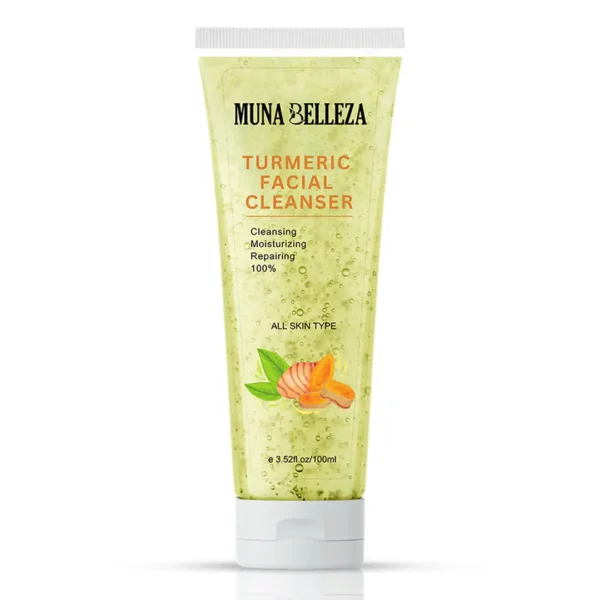 Face wash for oily skin
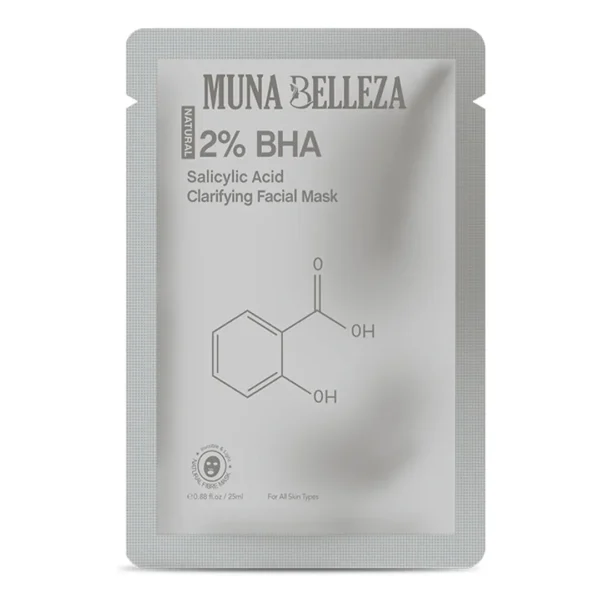 Weekly clearing mask
 Niacinamide serum for marks