Search for the best anti aging cream and you’ll find jars from AED 40 to well over AED 1,000, each promising firmer, younger-looking skin. The truth is simpler and kinder to your wallet: a handful of ingredients have real evidence behind them, and the right one for you depends on your age, your skin type and whether you’re working on prevention, fine lines or deeper wrinkles.
This guide shows you what to look for on the label, what to pick in your 30s, 40s and 50s, and where creams stop and clinic treatments begin. If you want to understand why lines form in the first place, start with our guide to wrinkles. And for a weekly boost of hydration that plumps fine lines, try our collagen sheet mask.
What actually works in an anti aging cream
Dermatologists keep coming back to the same short list. In order of evidence:
- Daily sunscreen (SPF 30 or higher): not exciting, but in a large Australian trial, people who used sunscreen daily showed no detectable increase in skin ageing over four and a half years. In UAE sun, nothing else comes close.
- Retinoids (retinol, retinal, prescription tretinoin): the best-studied topical for fine lines and texture. They speed up skin renewal and help the skin make new collagen, but they can cause dryness at first and are not used in pregnancy.
- Vitamin C: an antioxidant that helps defend against sun and pollution damage and brightens dull, uneven tone. See our guide to the best vitamin C serum.
- Niacinamide: supports the skin barrier, softens redness and helps with uneven tone. Gentle enough for most skin.
- Peptides: small chains of amino acids that may help the skin look firmer; evidence is promising but more modest than for retinoids.
- Hydrators (hyaluronic acid, glycerin, ceramides): they don’t change wrinkles long term, but well-hydrated skin instantly looks smoother and plumper, which is why fine lines soften after a good moisturiser.
- Gentle AHAs (glycolic or lactic acid): smooth rough texture and help light reflect evenly. Read our glycolic acid guide.
How to read the label
- Look for the active in the first half of the list, not hidden after the fragrance and preservatives.
- Retinol strength: 0.1–0.3% is a good start; 0.5–1% is for skin that’s already used to it.
- Packaging matters: retinol and vitamin C break down in light and air, so choose tubes, pumps or opaque bottles over open jars, and keep them away from a hot car.
- Be wary of big promises: a “face lifting cream” can tighten the surface for a few hours, but no cream lifts sagging skin the way a clinic treatment can. “Botox in a jar” is marketing, not medicine.
- Fragrance-free is the safer choice if your skin reacts easily, especially when you’re also using a retinoid.
Best anti aging cream for your 30s, 40s and 50s
In your 30s: prevention
This is the right age to use anti aging cream for most people, though starting in your late twenties is fine. Keep it simple: vitamin C and sunscreen in the morning, a light moisturiser, and a low-strength retinol two or three nights a week. The best anti aging skin care products for your 30s are the ones you’ll use every day.
In your 40s: fine lines and firmness
Skin gets drier and collagen loss becomes more visible. Build up to retinol most nights, add a richer night cream with hydrators and peptides, and keep vitamin C in the morning. If dark spots are part of the picture, niacinamide or alpha arbutin can help even the tone. The best anti aging cream for your 40s is usually a retinoid plus a moisturiser that keeps it comfortable.
In your 50s and beyond: hydration and repair
Around menopause, skin loses oil and collagen faster, so the best moisturizer for aging skin is a richer one with ceramides and hyaluronic acid. A gentle retinoid at night is still worth it; if retinol stings, try a lower strength or use it every other night. A hydrating night serum under your cream helps too. For deep lines or loose skin, a dermatologist can discuss prescription tretinoin or clinic options.
By skin type: oily, sensitive and men’s skin
- Oily skin: choose a lightweight gel cream or a serum rather than a heavy cream. Retinoids and niacinamide also help with shine and pores.
- Sensitive skin: start with niacinamide, peptides and hydrators. Introduce retinol slowly, two nights a week, applied over moisturiser.
- Men: the ingredients are the same. The best anti aging cream for men is often a light, non-greasy moisturiser with SPF in the morning and a retinol at night, applied after shaving has settled, not straight after.
Day cream, night cream or serum?
- Morning: vitamin C serum, a light moisturiser, then sunscreen. A day cream only counts as sun protection if it has SPF on the label.
- Night: the best anti aging night cream is where retinoids and richer repair ingredients go, since they don’t have to fight the sun.
- Serum vs cream: the best anti aging serum delivers actives in a lighter, more concentrated layer; a cream seals in moisture. Most routines over 35 benefit from both: serum first, cream on top.
Anti aging vs anti wrinkle cream: there’s no fixed difference. “Anti wrinkle” usually means the product targets lines with retinoids or peptides, while “anti aging” is a broader label that may also cover tone, dryness or firmness. Check the ingredients, not the name.
Does a higher price mean better results?
No. Mayo Clinic notes that a higher price doesn’t make a wrinkle cream more effective. Many affordable and drugstore creams with retinol, niacinamide or hyaluronic acid perform as well as luxury jars. Korean anti aging creams are popular in the UAE because they often combine several gentle actives with light, layerable textures at a fair price. Whatever you choose, give it at least 8–12 weeks before judging results, and take a photo in the same light on day one.
Our picks
We don’t make a retinol cream, so pair our products with a retinol from a brand you trust, or one your dermatologist suggests.
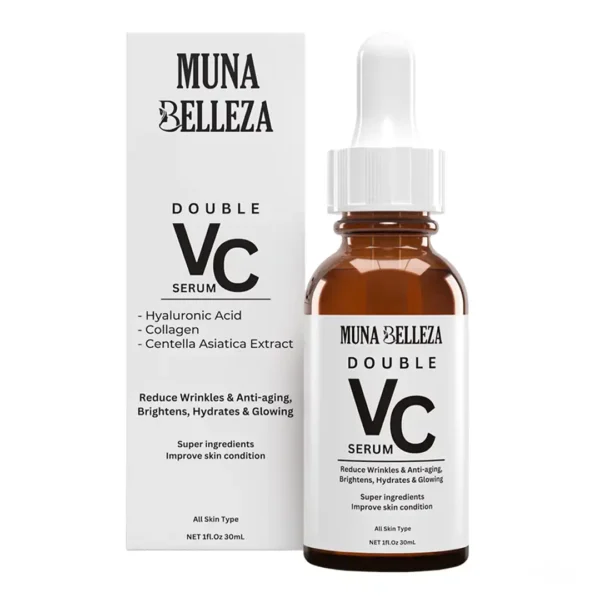
For morning protection and glow: Double Vitamin C Serum
Pure ascorbic acid at an everyday strength with hyaluronic acid, collagen, centella and beta-glucan, and no added fragrance. Use it in the morning under sunscreen. See our vitamin C serum.
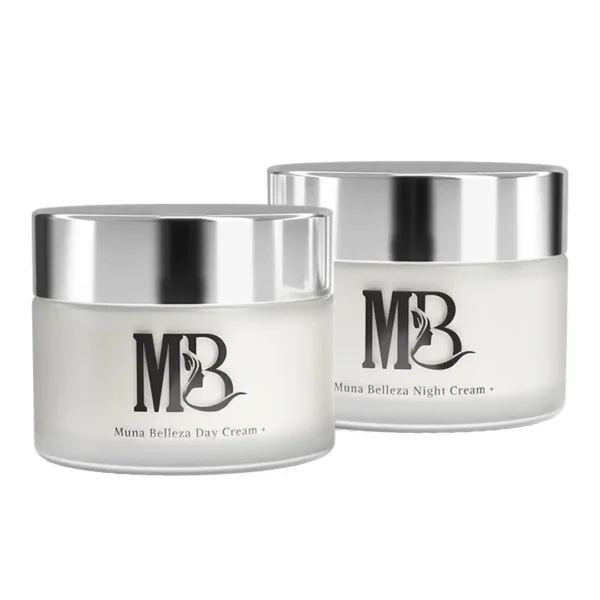
For a simple day and night routine: Day and Night Cream Set
A lighter day cream and a richer night cream with argan oil, hyaluronic acid, panthenol and vitamin E, a comfortable base over a retinol at night. The day cream has no SPF, so add sunscreen on top. See our day and night cream.
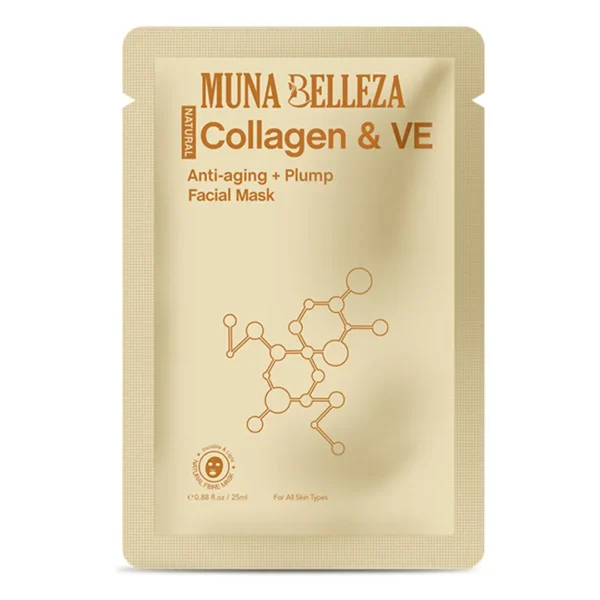
For a weekly plumping boost: Collagen Face Mask
Hydrolysed collagen, the peptide argireline, hyaluronic acid and a gentle form of vitamin A. It deeply hydrates so fine lines look softer for a day or two, but like any mask it doesn’t replace your own collagen. See our collagen face mask.
Common questions
What is the best anti aging cream?
For most people, it’s a retinoid cream at night plus daily sunscreen, with vitamin C in the morning. The “best” one is the formula your skin tolerates well enough to use every day.
What is the best anti aging serum?
A retinol serum for lines and texture, or a vitamin C serum for tone and protection. Many people use vitamin C in the morning and retinol at night.
What is the best cream for fine lines?
Retinol is the most proven option; hydrating creams with hyaluronic acid soften fine lines immediately, though the effect is temporary.
Which anti aging cream is best in Dubai’s heat?
Lighter gel creams and serums under a high-SPF sunscreen, kept out of hot cars so the actives don’t break down.
Ready to build your anti aging routine? Our serums, creams and masks are made in Korea, with free delivery to every emirate and cash on delivery available.
Learn more about our face serums.
 Collagen face mask
 Day and night cream
 Vitamin C serum