Glow is the thing almost everyone wants and few people can define. It isn’t shine and it isn’t a lighter skin colour. It’s skin that reflects light evenly: smooth, well hydrated and free of the grey, tired look that heat, sun and long days in air conditioning leave behind. The best serum for glowing skin is the one that fixes whatever is dulling your skin, and that’s different for everyone.
This guide helps you work that out, explains which ingredients have real evidence behind them, and ends with our honest picks. If you’d like the full daily routine around your serum, start with our glowing skin regimen.
Why skin looks dull in the first place
Dull skin usually comes from one or more of four things:
- Dehydration. Air conditioning and hot, dry outdoor air pull water from the skin, so it looks flat and fine lines show more.
- Dead-cell build-up. Old cells sit on the surface and scatter light instead of reflecting it.
- Uneven tone. Sun spots, post-acne marks and patchy areas break up the even colour that reads as glow.
- Daily damage. Strong UAE sun and pollution create free radicals that slowly wear down brightness.
A serum suits this job well because it’s light and concentrated, so it delivers more of the active ingredient than most creams. For most people the simplest starting point is a vitamin c serum for face in the morning, because it works on two of the four causes at once.
The glow ingredients that actually work
Plenty of serums promise radiance. These are the ingredients with real research behind them.
Vitamin C
The classic glow ingredient. Vitamin C is an antioxidant that helps protect skin from sun-related damage during the day, and over weeks it helps fade dark spots and even out tone. Pure ascorbic acid is the most studied form; it’s also the least stable, so good packaging matters. Asking “which vitamin is good for skin glow”? On the skin, vitamin C is the first answer. Our best vitamin C serum guide covers how to pick one.
Niacinamide (vitamin B3)
The all-rounder. Niacinamide helps reduce the look of dark spots and redness, supports the skin barrier and can make oily skin look less shiny. In a controlled study, a niacinamide product improved spots, redness and a sallow, yellowish look on ageing facial skin. It’s gentle enough for most skin types. More in our niacinamide guide.
Hyaluronic acid
It doesn’t brighten, but it plumps. Hyaluronic acid draws water into the upper layers of skin, which smooths the surface and makes everything else look better. Pair it with a moisturiser so that water stays in.
Arbutin and alpha arbutin
Ingredients that slow the production of excess pigment. They’re useful when dark spots are the main thing between you and glowing skin. See alpha arbutin for how they work.
Gentle acids (AHAs)
Glycolic and lactic acid dissolve the dead-cell build-up that makes skin look grey. They’re usually best as an evening product two or three times a week rather than a daily serum. Our glycolic acid guide explains how to start.
Match the serum to your kind of dullness
- Tired, flat, “grey” skin: vitamin C in the morning.
- Tight skin with fine dehydration lines: hyaluronic acid, then a moisturiser.
- Dark spots and marks: niacinamide with arbutin or alpha arbutin, plus daily sunscreen.
- Rough texture: a gentle AHA a few evenings a week.
- Oily but still dull: niacinamide, which brightens and helps with shine.
You don’t need one serum for every concern. Two well-chosen serums, one for the morning and one for the evening, cover most people. If you’re mixing, our guide on what to mix with niacinamide shows which pairings work.
Choosing by skin type
- Oily skin: look for a watery or gel serum. Niacinamide is the best brightening serum for oily skin because it also helps with shine. Skip heavy, oily textures.
- Dry skin: choose serums with hyaluronic acid or glycerin, and always seal them in with a cream. Start vitamin C slowly if your skin is easily irritated.
- Combination skin: one light serum all over, then adjust your moisturiser by area.
- Sensitive skin: fewer ingredients, no added fragrance, and patch-test anything new. Niacinamide is usually the easiest place to start.
And Korean brightening serums? Many Korean formulas combine several gentle brighteners (vitamin C, niacinamide, arbutin) with hydrators in one light texture, which is why they’re popular for that “lit from within” look. The same ingredient rules apply. For the full Korean approach, see glass skin.
What about “whitening” serums?
Searches for the best whitening serum or best skin whitening serum are common in the UAE. The honest answer: no safe cosmetic serum changes your natural skin colour. What good brightening serums do is fade dark spots and uneven patches so your own skin tone looks clearer and more even. Products that promise to make skin several shades lighter, especially fast, are a red flag, as some contain ingredients that are restricted or unsafe. We explain the difference in skin brightening vs whitening.
When and how to apply a face serum
- Cleanse and pat your face almost dry.
- Apply 3 to 4 drops of serum to the face and neck. Press it in gently rather than rubbing hard.
- Wait about a minute, then apply your moisturiser.
- In the morning, finish with sunscreen. Without it, brightening serums are fighting a losing battle against the UAE sun.
Vitamin C works best in the morning, under sunscreen. Spot-fading serums and exfoliating acids are usually better at night. Thinnest texture first, thickest last. Expect a fresher look within a couple of weeks from better hydration, and visible changes in tone after about 8 to 12 weeks of daily use.
Our picks for glowing skin
We make two serums, and together they cover the most common causes of dullness:
- Morning: Double Vitamin C Serum. Ascorbic acid with hyaluronic acid, collagen, centella, aloe and beta-glucan, with no added fragrance. Best for tired, flat skin and daily protection under sunscreen.
- Evening: Dark Spot Correcting Serum. Niacinamide with arbutin and hyaluronic acid, for dark spots, marks and uneven tone. It contains fragrance, so patch-test first if your skin is sensitive. (The box says “Whitening Fade Spots Serum”; it brightens and fades spots, it doesn’t change skin colour.)
For a weekly boost, the turmeric face mask pairs niacinamide, tranexamic acid and alpha arbutin in a fragrance-free sheet mask. We don’t make a retinol or acid serum, so if rough texture is your main issue, pair our serums with a gentle exfoliant from another trusted brand.
Want to compare all serum types, not just glow serums? Our best face serum guide covers hydration, oil control and fine lines too.
Common questions
Which serum is best for glowing skin?
For most people, a vitamin C serum in the morning and a niacinamide serum in the evening. Choose based on what dulls your skin: dehydration, spots or texture.
What does a face serum do?
It delivers a concentrated dose of active ingredients in a light texture that sinks in quickly. It goes after cleansing and before moisturiser; it doesn’t replace either.
Can I use a vitamin C and a niacinamide serum together?
Yes. The old idea that they cancel each other out doesn’t hold up for modern formulas. Many people simply use vitamin C in the morning and niacinamide at night.
Is a serum or a cream better for brightening?
Serums usually carry more of the active ingredient, so they tend to work faster on tone. A cream is still needed afterwards for moisture. For brightening creams, see our best brightening cream guide.
Where can I buy a face serum in the UAE?
Our serums are available online with free delivery to every emirate and cash on delivery.
Ready for a brighter, fresher look? Start with one serum that matches your kind of dullness, use it daily with sunscreen, and give it a few weeks.
Learn more about our face serums.
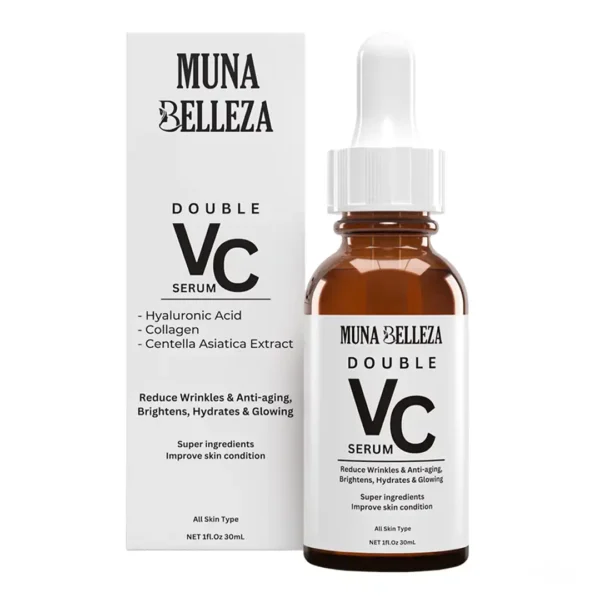 Vitamin C serum
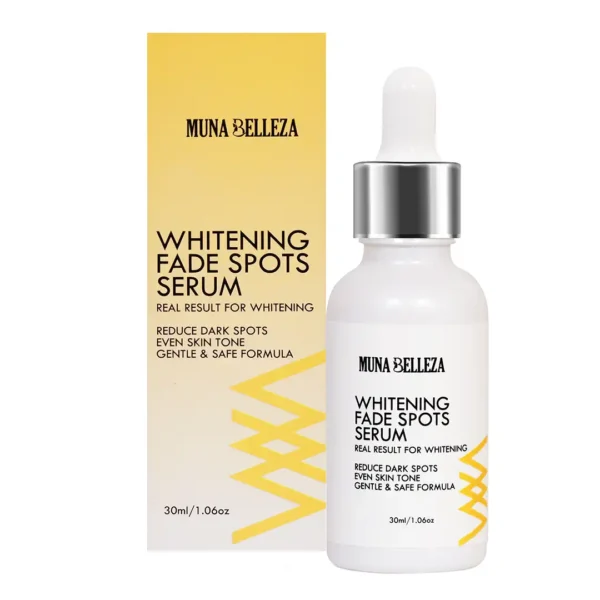 Dark spot correcting serum
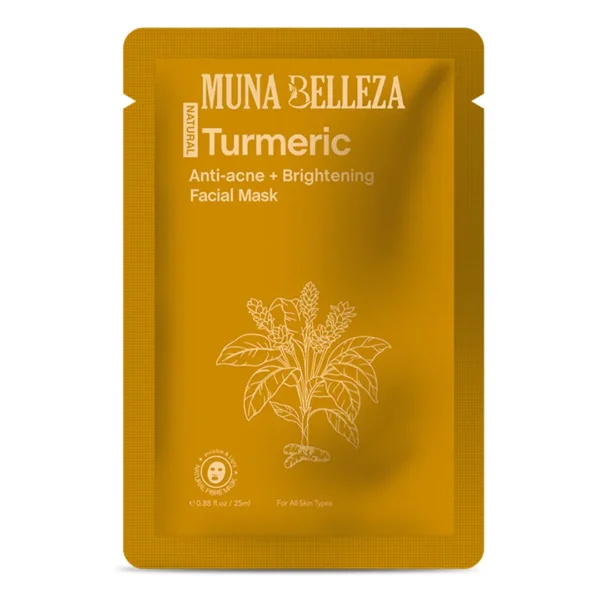 Turmeric face mask