Walk into any pharmacy in the UAE and the serum shelf can be overwhelming: hyaluronic acid, vitamin C, niacinamide, retinol, peptides, collagen, “glow” drops and “lifting” ampoules. The best face serum isn’t the most famous or the most expensive one. It’s the one that targets your main concern, suits your skin type, and fits into a routine you’ll actually keep.
This guide helps you narrow it down in a few minutes, then shares our honest picks. You can browse every skin serum we make in one place.
What a face serum does (and doesn’t)
A serum is a light, concentrated product designed to deliver one or two active ingredients deeper than a cream can. It’s the “treatment” step of a routine. It usually doesn’t replace a moisturiser, because most serums don’t contain enough oils to seal moisture in, and it never replaces sunscreen.
Choose your serum by goal
- Hydration and plumpness: hyaluronic acid, glycerin, panthenol or beta-glucan.
- Glow and antioxidant protection: vitamin C, best in the morning. See our guide to the best vitamin C serum.
- Dark spots and uneven tone: niacinamide, alpha arbutin, tranexamic acid or vitamin C. Read about alpha arbutin.
- Oil control, pores and breakouts: niacinamide or salicylic acid.
- Fine lines and firmness: retinol or retinal at night, peptides, and vitamin C in the morning. See our guide to wrinkles.
- Redness and sensitivity: centella, panthenol, niacinamide at low strength.
Start with one goal. If you try to fix everything at once, you won’t know what’s working.
Best face serum for your skin type
- Oily skin: water-based, oil-free serums with niacinamide; skip heavy face oils.
- Dry skin: hydrating serums with hyaluronic acid layered under a richer cream. Our dry skin guide explains why both are needed.
- Combination skin: one light serum for the whole face, with extra moisturiser on dry areas.
- Sensitive skin: short ingredient lists, fragrance-free where possible, and one new product at a time.
- Acne-prone skin: niacinamide or salicylic acid, non-comedogenic formulas.
- Men: a light, fast-absorbing serum after shaving, such as niacinamide for oil and redness, or vitamin C for dullness.
- In your 30s: vitamin C in the morning and a gentle retinol at night is a good long-term pair.
Day serum or night serum?
- Morning: antioxidant and hydrating serums, such as vitamin C and hyaluronic acid, under sunscreen.
- Evening: treatment serums such as retinol, exfoliating acids, and brightening serums with niacinamide and arbutin.
Can I use moisturiser after serum?
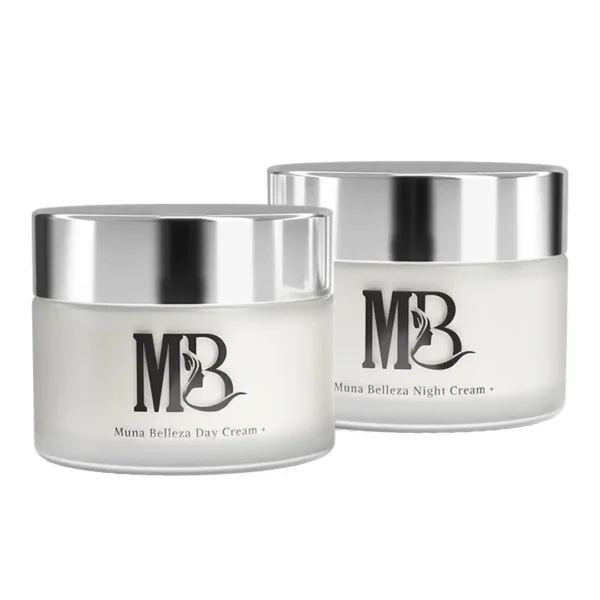
Yes, and you should. Serum goes on first, then moisturiser to seal it in. The full order of steps is in our skin care routine guide.
How many serums, and in what order?
Most people need one or two: one in the morning and one at night. If you layer two at the same time, apply the thinner, more watery one first and wait a minute between them. Avoid stacking several strong actives, such as retinol, acids and vitamin C, in the same routine, as that’s the fastest way to irritate the skin.
Oil vs serum for face
Face oils mainly soften and seal; serums deliver active ingredients. Oily skin rarely needs a face oil. Very dry skin can use a few drops of oil after serum and moisturiser at night.
Red flags when buying a serum
- Promises of results in days, or a “permanent” lift or whitening.
- “Collagen serum” claims to rebuild collagen: collagen molecules are too large to enter the skin; they hydrate the surface but don’t replace your own collagen.
- No ingredient list, no expiry date, or a sealed box that’s already been opened.
- A long list of trendy actives at tiny amounts, rather than one or two at useful levels.
- Heavy fragrance high on the ingredient list if your skin is sensitive.
Our picks
We make two serums, so we’ll be clear about who each one is for.
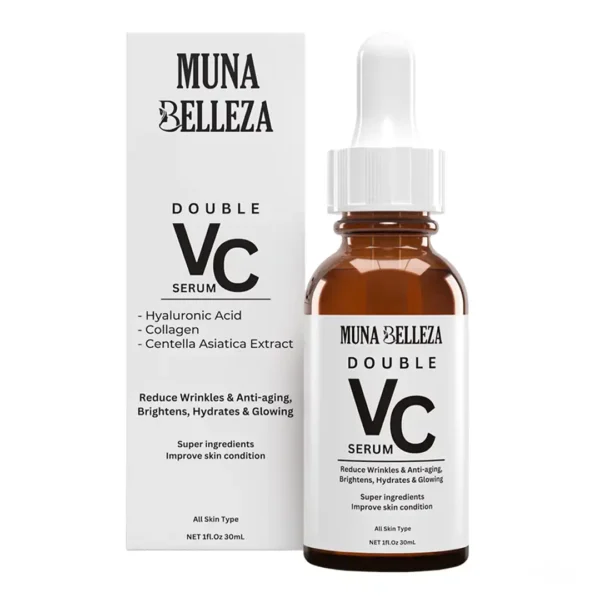
For glow and daily protection: Double Vitamin C Serum
Pure ascorbic acid at an everyday strength with hyaluronic acid, collagen, centella, aloe and beta-glucan, and no added fragrance. Use it in the morning before moisturiser and sunscreen. It suits most skin types, including people new to vitamin C. Our vitamin c serum page has the full details.
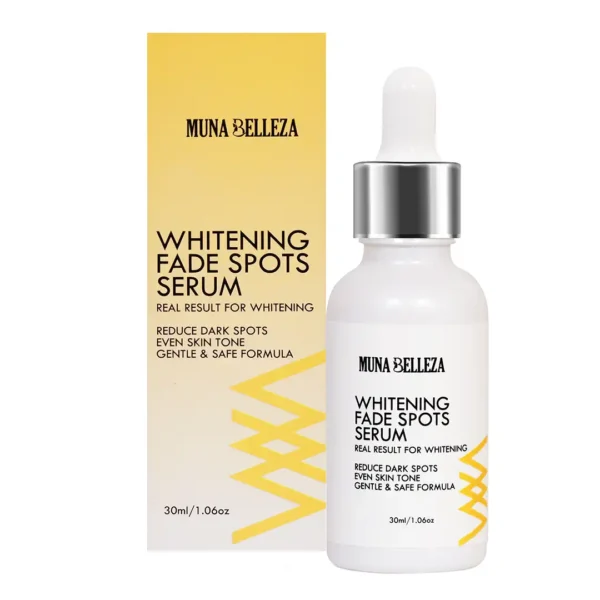
For dark spots and uneven tone: Dark Spot Correcting Serum
Niacinamide and alpha arbutin with hyaluronic acid, made to fade acne marks, sun spots and patchy tone over 8 to 12 weeks. Use it in the evening, or morning and evening with sunscreen. See our dark spot correcting serum.
We don’t currently make a retinol or exfoliating-acid serum. If fine lines or clogged pores are your main concern, add one from a trusted brand at night, and keep it on different nights from other strong actives.
Common questions
What are the benefits of using a serum on the face?
A serum delivers concentrated active ingredients for a specific goal, such as hydration, glow, even tone or fewer breakouts, in a light texture that layers easily.
When is the best time to apply serum?
After cleansing, on clean skin, before moisturiser. Antioxidant serums work best in the morning; treatment serums such as retinol belong at night.
How long does a serum take to work?
Hydrating serums show results within days. Serums for dark spots, lines or breakouts usually need 6 to 12 weeks of daily use.
Ready to choose your serum? Ours are made in Korea, with free delivery to every emirate and cash on delivery available.
Learn more about our dark spot products.
 Vitamin C face serum
 Dark spot face serum
 Moisturiser after serum