Melasma isn’t like an ordinary dark spot. It’s driven by sun, visible light, heat and hormones, it tends to come back, and the wrong product can make it darker. That’s why choosing the best products for melasma is less about finding one miracle cream and more about building a small, steady kit: sun protection that blocks the right kind of light, one or two proven pigment-fading ingredients, and gentle basics that don’t irritate.
This guide covers exactly what to look for on the label in each of those categories, what to stay away from, and when to see a doctor instead. If you’re not yet sure your patches are melasma, read our full guide to melasma first.
First, set the right expectations
- No product removes melasma for good. Good products fade it and help keep it faded. Stop protecting your skin and it often returns, especially in summer.
- Results take time. Expect to wait at least 8 to 12 weeks of daily use before judging a product.
- Irritation is the enemy. Redness and stinging can trigger more pigment, so a gentle product used every day beats a harsh one you can only tolerate twice a week.
With that in mind, here’s what to put in your basket. You can see all our options for fading patches in our dark spot remover for face collection.
Product 1: the right sunscreen (the most important one)
If you buy only one product for melasma, make it a good sunscreen. In the UAE, where the sun is strong all year, this matters even more.
- SPF 50 and broad spectrum, so it covers both UVB and UVA.
- Tinted, with iron oxides. Visible light, including the light from a sunny window, can darken melasma, and ordinary sunscreens don’t block it well. Tinted formulas with iron oxides do. In one study, people using an iron-oxide sunscreen had fewer melasma relapses than those using a UV-only sunscreen.
- A texture you’ll actually reapply. Reapply every two to three hours outdoors and after sweating. A tinted fluid or a sunscreen stick in your bag makes that realistic.
Add a wide-brimmed hat and shade where you can. Heat itself can also worsen melasma, so avoiding long stretches in hot cars, saunas and steam rooms helps too.
Honest note: we don’t make a sunscreen, so choose a tinted SPF 50 from a brand you trust and use it every single day alongside the products below.
Product 2: a pigment-fading serum or cream
This is where most “melasma treatment cream” searches end up. Look for one or two of these ingredients on the label, rather than a cream that contains ten of them in tiny amounts.
Niacinamide
Gentle and well tolerated, it reduces how much pigment reaches the surface cells. In a small trial, 4% niacinamide improved melasma, though more slowly than hydroquinone, and with fewer side effects. A good everyday choice, even for sensitive skin. See our niacinamide guide.
Tranexamic acid
Popular for melasma because it works on a different pathway, including the blood-vessel side of melasma. Topical tranexamic acid in serums and masks is generally gentle and pairs well with niacinamide.
Azelaic acid
Fades pigment and calms redness, and is often suggested when someone also has breakouts or sensitive skin. Higher strengths are prescription in many countries.
Arbutin and alpha arbutin
Slow the enzyme that makes pigment. Useful in day-to-day brightening products. More in our alpha arbutin guide.
Vitamin C and licorice
Vitamin C adds antioxidant protection in the morning and helps with brightness; licorice extract is a gentle brightener often found in creams. Both are good supporting ingredients rather than the main fighters.
Comparing creams side by side? Our best cream for pigmentation guide explains how to match a cream to your type of spot.
Product 3: gentle cleanser and moisturiser
These don’t fade melasma, but they decide whether your active products can be used every day without irritation.
- Cleanser: mild and non-stripping, used with lukewarm water. Skip scrubs, brushes and hot water.
- Moisturiser: something simple that supports the barrier. In air-conditioned rooms, dry skin gets irritated more easily, and irritated skin pigments more easily.
- Fragrance: if your skin is reactive, fragrance-free basics are the safer choice.
Products to avoid
- “Melasma removal” or strong whitening creams with no full ingredient list, especially unlabelled products sold online or mixed in a salon. Some have been found to contain mercury or strong steroids, which can damage skin and health.
- Long-term, unsupervised hydroquinone. Used for months without medical advice, it can cause a blue-grey darkening that’s very hard to treat.
- Strong at-home peels, scrubs and DIY lemon or toothpaste remedies. They irritate the skin and can make melasma darker.
- Anything promising results in a week. Melasma doesn’t work that way.
A note on “skin lightening cream for melasma”: a good product evens out the patches so they blend with your natural skin tone. It should never bleach your overall colour. We explain why in skin brightening vs whitening.
When you need a doctor’s cream
For stubborn, widespread or deep melasma, the best treatment for melasma on the face is often a prescription: hydroquinone, a combination “triple” cream, or tranexamic acid tablets. These work, but they need a dermatologist’s supervision. See a doctor if patches appear suddenly, aren’t symmetrical, change quickly, or if you’re pregnant or breastfeeding and unsure what’s safe. In-clinic options like peels and lasers can help some people but can also make melasma worse, so they need an experienced specialist.
A simple melasma routine
Morning
- Gentle cleanser.
- Antioxidant or niacinamide serum.
- Light moisturiser.
- Tinted SPF 50, reapplied during the day.
Evening
- Gentle cleanser (twice if you wore heavy sunscreen or make-up).
- Your pigment-fading serum or cream.
- Moisturiser.
Take a photo in the same light once a month. Melasma changes slowly, and photos show progress your mirror won’t.
Our picks for melasma-prone skin
None of our products is a medical treatment for melasma, and we don’t claim they cure it. They’re gentle brightening products that fit well into the routine above, next to a tinted sunscreen.
- Dark Spot Correcting Serum: niacinamide with arbutin and hyaluronic acid, for evening use. It contains a light fragrance, so patch-test first.
- Day and Night Cream Set: the day cream has niacinamide and licorice; the night cream has arbutin and vitamin C. The day cream has no SPF, so always add sunscreen on top.
- Turmeric Face Mask: a fragrance-free sheet mask with tranexamic acid, niacinamide and alpha arbutin, as a once or twice weekly extra.
Common questions
What is the best cream for melasma?
There isn’t one best cream for everyone. Over the counter, look for niacinamide, tranexamic acid, azelaic acid or arbutin, used daily with a tinted SPF 50. For stubborn melasma, a dermatologist may prescribe a stronger cream.
How do I remove melasma on my face naturally?
Natural remedies like aloe or turmeric are gentle but have little proof for melasma, and lemon or other acidic home remedies can irritate and darken it. Daily sun protection is the most effective “natural” step there is.
Can I use vitamin C and niacinamide together for melasma?
Yes. Many people use vitamin C in the morning and niacinamide or tranexamic acid at night.
Are melasma products safe in pregnancy?
Melasma is common in pregnancy and often fades afterwards. Sunscreen is safe; ask your doctor before starting any active cream, and avoid hydroquinone and retinoids unless your doctor says otherwise.
How long before I see results?
Usually 8 to 12 weeks of daily use with sunscreen. If nothing has changed after three months, see a dermatologist.
Ready to build your melasma kit? Start with a tinted sunscreen and one gentle fading product, and stick with them through the season. Our products come with free delivery to every emirate and cash on delivery.
Learn more about our products for dark spots and pigmentation.
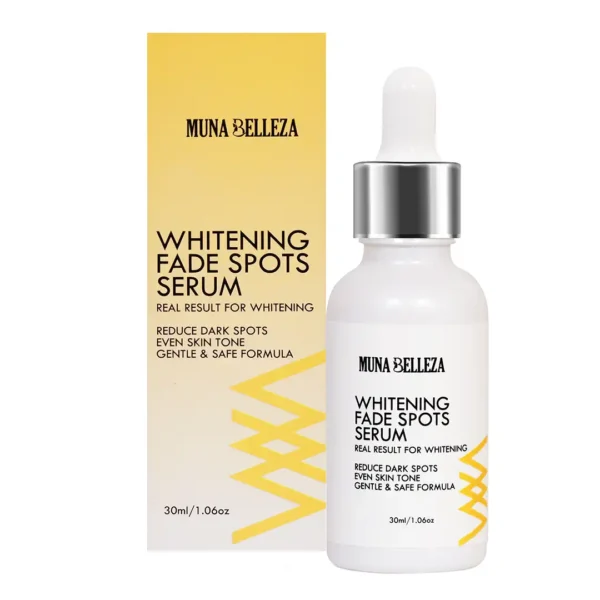 Dark spot correcting serum
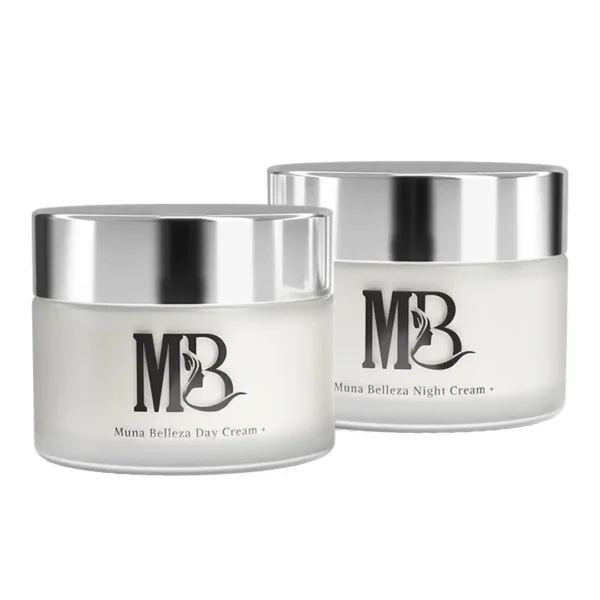 Day and night cream
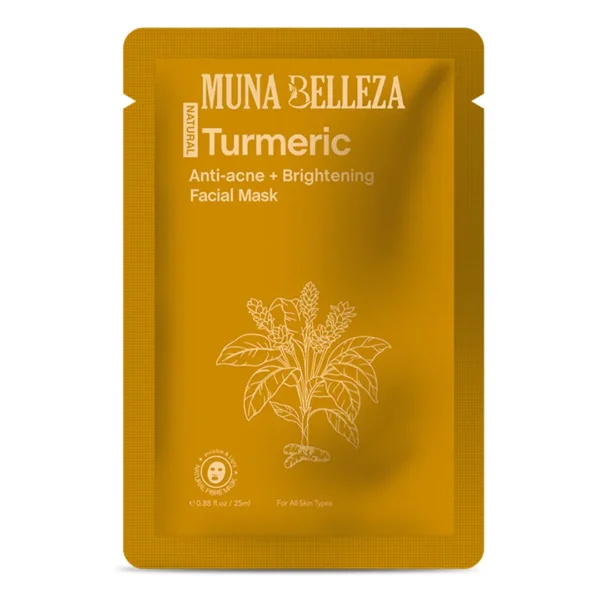 Tranexamic acid mask